

The Allure and the Risk
From the lush forests of the Western Ghats to the Himalayan foothills, India has a rich tradition of using wild mushrooms in local cuisine. Foraging is often seen as a way to connect with nature and source fresh, organic food. However, this age-old practice
carries a significant and often underestimated danger. The primary reason is misidentification. Many deadly poisonous mushrooms look remarkably similar to popular edible varieties, a problem that even experienced foragers can fall victim to. Every year, numerous cases of mushroom poisoning are reported across the country, with some resulting in fatalities. Incidents in states like Assam and Uttarakhand are grim reminders that what begins as a hunt for a delicious meal can end in tragedy.
The Dangers of Doppelgangers
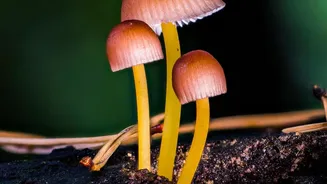
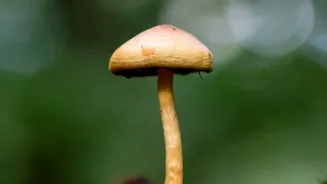
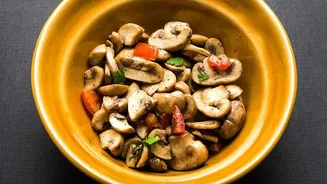
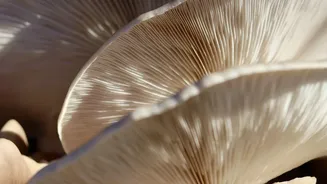
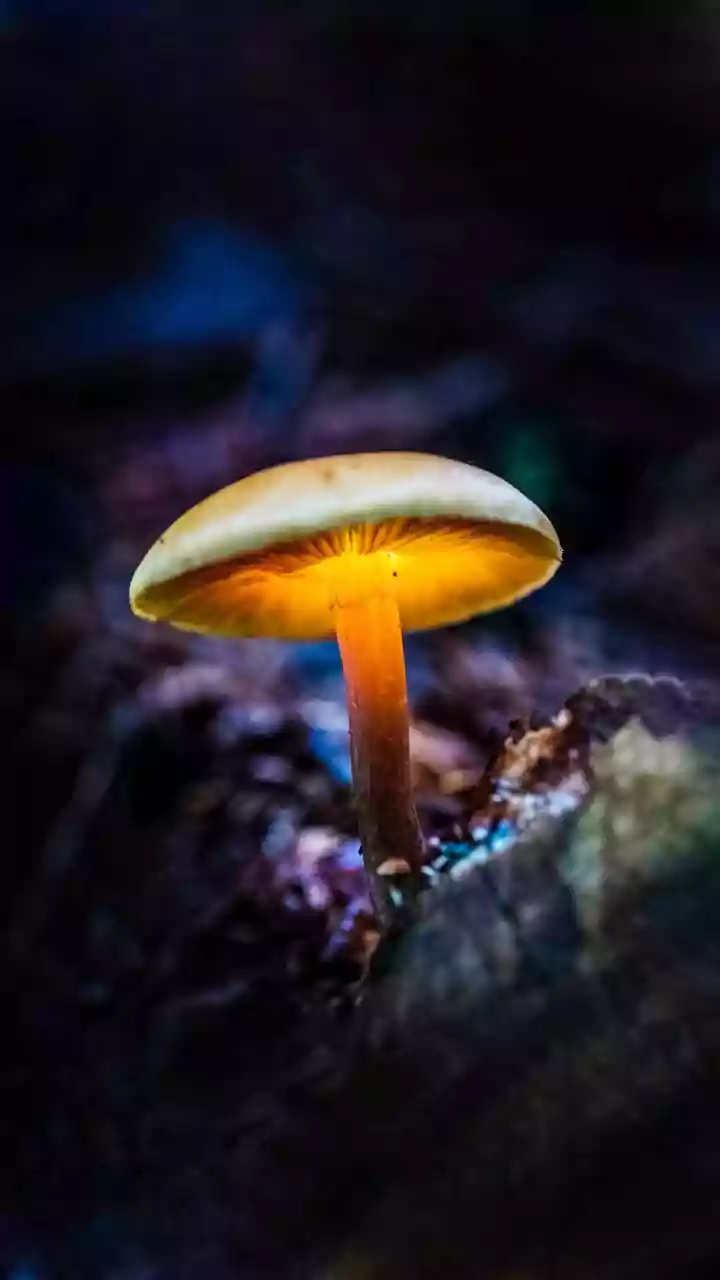
The world of fungi is filled with deceptive lookalikes, or doppelgangers. One of the most notorious examples is the deadly Death Cap (Amanita phalloides), which is responsible for the vast majority of mushroom-related deaths worldwide. It can be easily mistaken for the edible Paddy Straw mushroom, which is popular in Asian cuisine. Another dangerous group is the Destroying Angel (Amanita species), a pure white mushroom that can be confused with edible button mushrooms or meadow mushrooms when young. Other dangerous pairs include the toxic Jack-o'-lantern mushroom, which resembles the prized edible Chanterelle, and False Morels, which can trick those searching for true Morels. These resemblances are not superficial; they can mimic the shape, colour, and even habitat of their edible cousins, making visual identification a perilous game for anyone but a trained mycologist.
Toxins and Their Terrible Toll
Poisonous mushrooms contain a range of toxins that can cause anything from mild gastrointestinal upset to catastrophic organ failure. The most dangerous, like the amatoxins found in Death Caps and Destroying Angels, work insidiously. A person might experience initial symptoms like vomiting and diarrhoea, which then seem to resolve, creating a false sense of recovery. However, during this time, the toxins are silently destroying liver and kidney cells, with severe organ failure developing days later. By the time the true extent of the poisoning becomes clear, a liver transplant may be the only option. Other toxins can cause neurological symptoms like hallucinations, while some cause severe muscle breakdown. It's crucial to understand that cooking or boiling does not destroy most of these potent toxins.
Fatal Myths About Foraging
Several persistent myths about identifying poisonous mushrooms contribute to accidental poisonings. One common but false belief is that if animals like squirrels or insects eat a mushroom, it must be safe for humans. This is dangerously untrue, as many animals can digest toxins that are fatal to people. Other debunked myths include the ideas that poisonous mushrooms will taste bad, that they will tarnish a silver spoon, or that all white mushrooms are safe. There are no simple rules or shortcuts. Characteristics like colour, shape, or where a mushroom grows are not reliable indicators of safety on their own. The only way to be certain is through expert identification.
The Only Safe Path Forward
Given the high stakes, the advice from food safety experts is unanimous: do not eat any wild mushroom unless you are 100% certain of its identity, as confirmed by a qualified expert. Regulations in many places now require that wild mushrooms sold in markets must be inspected by a certified mushroom identification expert. For the amateur forager, this means exercising extreme caution. Rather than guessing, consider joining a local mycological society to learn from experts. When it comes to your plate, the safest choice is always to purchase mushrooms, whether common or 'wild' varieties, from a reputable grocer or certified vendor. This ensures they have been sourced, and in the case of wild species, properly identified and inspected before reaching you.