





What Exactly Is El Niño?
El Niño is a naturally occurring climate pattern, but its effects are anything but ordinary. It's the warm phase of the El Niño-Southern Oscillation (ENSO), a cycle that involves periodic shifts in sea surface temperatures and winds over the tropical
Pacific Ocean. In a normal year, trade winds blow from east to west, pushing warm surface water towards Asia and Australia. During an El Niño, these trade winds weaken, or even reverse, allowing the vast pool of warm water to shift eastward, towards the coast of South America. This change might seem distant, but it triggers a domino effect, altering atmospheric pressure and shifting weather patterns on a global scale. These events typically occur every two to seven years and can last for nine to twelve months.
Why This El Niño Is 'Exceptional'
Not all El Niños are created equal. The current event is being classified by forecasters as a 'very strong' or 'super' El Niño. This informal title is reserved for events where the sea surface temperatures in a key region of the equatorial Pacific rise at least 2 degrees Celsius above the long-term average. The World Meteorological Organization (WMO) has confirmed the development of a strong El Niño, noting that it has a high probability of persisting through the early months of 2027. What makes this event particularly noteworthy is the record-breaking warmth of the ocean; sea surface temperatures have reached unprecedented levels, providing more energy to disrupt the atmosphere. This rapid and intense warming has put the 2026-27 event in the same category as the historic El Niños of 1997-98 and 2015-16.
Impact on India's Lifeline: The Monsoon
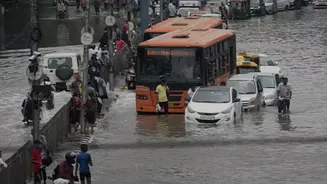
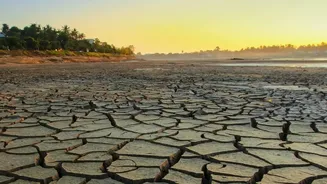
For India, the primary concern during an El Niño year is its effect on the southwest monsoon, which delivers about 70% of the country's annual rainfall. Historically, El Niño years are strongly linked to weaker monsoon winds and suppressed rainfall, increasing the risk of drought. The warming of the eastern Pacific shifts the zone of rising air and cloud formation away from the Indian Ocean, reducing the moisture that flows towards the subcontinent. The India Meteorological Department (IMD) has already forecast a below-normal monsoon season for 2026. However, the relationship isn't always straightforward. While overall rainfall may decrease, some studies show that episodes of extreme, intense rainfall can paradoxically increase, leading to flash floods even within a drier season.
Beyond the Rains: Heatwaves and Water Scarcity
The human impact extends far beyond just rainfall totals. Strong El Niño events are associated with an increase in the frequency and intensity of heatwaves. Combined with potentially weaker monsoon rains, this can put immense strain on India's water resources. Reservoirs that rely on monsoon replenishment may see lower levels, impacting everything from drinking water supplies to hydroelectric power generation. This can lead to significant stress on agriculture, especially for rain-fed crops which are highly dependent on timely monsoon showers. Farmers face a dual threat: insufficient water for crops and increased water demand due to higher temperatures.
The Human Cost: Health, Agriculture, and the Economy
The ripple effects of an exceptional El Niño can touch nearly every aspect of life. A deficient monsoon can lead to lower crop yields, raising concerns about food security and potentially driving up food prices. This directly impacts household budgets and the broader economy. Health risks also escalate. Water scarcity can lead to the spread of waterborne diseases, while altered rainfall patterns can create new breeding grounds for mosquitoes, potentially increasing the risk of vector-borne illnesses like dengue and malaria. Furthermore, hotter and drier conditions raise the risk of forest fires, which degrade air quality and pose a threat to respiratory health. The combination of these factors puts a significant strain on public health systems and the economy.