




It Starts With Security
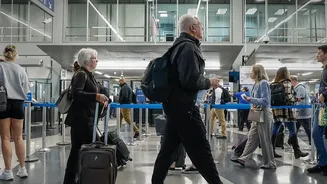
The most critical reason you can't reboard is security. Once you step off an aircraft, you have left a secure, sterile environment. Airline and airport authorities have no way of knowing what you might have come into contact with, even in the few seconds
you were on the jet bridge. Allowing a passenger to re-enter the aircraft would breach security protocols that are in place to protect everyone on board. After passengers deplane, the cabin crew or a dedicated security team often conducts a sweep to ensure nothing dangerous has been left behind before the next flight. Letting people wander back on would complicate and undermine this essential check.
The Finalised Flight Manifest
Before a flight can depart, the ground crew finalises a critical legal document: the passenger manifest. This document is an official record of every single person on board, including passengers and crew. It's used for everything from weight and balance calculations to, in the worst-case scenario, identifying individuals in an emergency. Once the aircraft door is closed, the manifest is considered complete and is sent to the relevant authorities. Reopening the door to let a passenger on or off would mean the manifest is no longer accurate. This would require the gate agent to amend the official count, redo the paperwork, and resubmit it, a process that creates significant administrative work and delays.
A Race Against the Clock
Airlines operate on incredibly tight schedules where every minute counts. The phrase 'the flight is closed' often refers to more than just the physical door; it means the flight has been closed out in the airline’s system. Aircraft are assigned specific departure slots by air traffic control. Even a delay of a few minutes to reopen a door can cause a flight to miss its slot, leading to a domino effect of delays for that flight and potentially others throughout the day. This isn't just an inconvenience; it's a costly problem for airlines, who are penalised for late departures. Furthermore, once the door is closed, the cabin crew begins final preparations for takeoff, and the ground crew moves the jet bridge away from the aircraft. Reversing this process is a complex logistical exercise involving many teams.
The Armed Door Dilemma
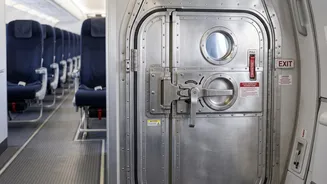
Before takeoff, cabin crew members 'arm' the aircraft doors. This crucial safety procedure connects the door to the emergency evacuation slide. If an armed door is opened from the outside, the slide will automatically deploy. An inadvertent slide deployment is not only dangerous to ground personnel but is also extremely expensive for the airline, costing tens of thousands of dollars to repack and recertify. While doors are disarmed upon arrival at the gate, the process of closing up a flight involves re-arming them in preparation for pushback. Reopening a door that has already been armed for departure is a risk most airlines are unwilling to take.
What You Should Do Instead
If you realise you've left an item behind while still on the jet bridge, don't try to go back yourself. Immediately inform the flight attendant at the aircraft door or the gate agent. A crew member who is still on the plane can go to your seat and retrieve the item for you. If you've already reached the terminal, head straight to the airline's customer service desk or baggage office. Most airlines have a dedicated lost and found process, often starting with an online form. The sooner you report the loss with specific details—your flight number, seat number, and a clear description of the item—the higher your chances of getting it back.