







The Monsoon's Arrival and Impact
The India Meteorological Department (IMD) has confirmed the onset of the northeast monsoon over the southern peninsula, starting around October 15. This has triggered a wet spell expected to last for several days, with forecasts of heavy to very heavy rainfall
in isolated places across Tamil Nadu, Kerala, and parts of Karnataka and Andhra Pradesh. The IMD has issued warnings for thunderstorms with strong winds, advising residents in low-lying areas to be cautious of waterlogging and traffic disruptions. This seasonal shift is crucial for the region's water supply but also brings immediate challenges for transportation and daily commutes.
Widespread Train Delays and Cancellations
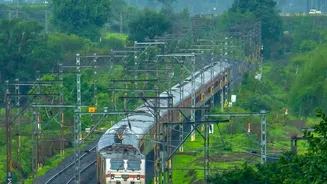
The heavy rains and associated maintenance work have had a significant impact on the Southern Railway network. Travellers should anticipate partial cancellations, rescheduling, and considerable delays for several long-distance and local MEMU trains. For instance, reports from early October already indicated a series of en-route regulations and rescheduled departure times for key services operating in the Chennai Division to accommodate safety work. These disruptions are expected to continue as the monsoon intensifies. Passengers are strongly advised to check the real-time status of their trains using official railway portals before starting their journey. Waterlogging on tracks is a persistent issue during heavy downpours, which can lead to last-minute diversions or suspensions of services.
Disruptions and Advisories for Air Travel
Major airports in the south, including those in Chennai and Bengaluru, are experiencing operational challenges. Heavy rain, gusty winds, and poor visibility have led to flight delays and, in some cases, diversions to nearby airports. Airlines have issued travel advisories, warning passengers of potential disruptions and recommending they check their flight status before heading to the airport. Waterlogging on airport premises has also been reported, which can add to delays. Travellers with flights scheduled to or from the affected regions should allow for extra time and stay in close contact with their airline for the latest updates on schedules and potential cancellations.
Navigating Treacherous Road Conditions
For those travelling by road, the situation is equally challenging. Intense downpours have caused severe waterlogging on city streets and national highways, leading to major traffic congestion. Cities like Chennai and Bengaluru have seen key arterial roads submerged, making commutes difficult and hazardous. Hidden potholes and open manholes under flooded streets pose a significant safety risk to motorists and pedestrians. Authorities are advising against non-essential travel in the worst-affected areas and have deployed high-capacity pumps in known flooding hotspots. If road travel is unavoidable, plan for significant delays, check for route closures, and exercise extreme caution.
A Traveller's Checklist for the Monsoon
Given the widespread disruptions, proactive planning is essential. First, always verify the status of your flight, train, or bus before leaving home. Second, build extra time into your travel schedule to account for unexpected delays. Third, keep electronics and important documents in waterproof bags. It is also wise to monitor weather forecasts from the IMD and heed advice from local authorities. Finally, be aware of the refund and rescheduling policies of your travel provider in case your plans are severely affected. Flexibility and staying informed through official channels are your best tools for navigating the travel uncertainties during this heavy rain spell.