




Rajasthan: The Desert in Bloom
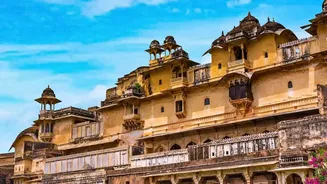
Forget the arid image of Rajasthan for a moment. In September, the state is a revelation. The monsoon, having washed over the Aravallis, leaves the landscape surprisingly lush and green. Lakes in cities like Udaipur are brimming, reflecting the grandeur
of palaces against clear, post-rain skies. The heavy rains have mostly passed, but the temperatures remain pleasant, typically ranging from 24°C to 35°C, making it ideal for sightseeing. With the main tourist rush still a month away, you can explore the forts of Jaipur or the romantic lanes of Udaipur with fewer crowds. While you should still pack an umbrella for the occasional shower, you're more likely to encounter sunshine and enjoy the unique spectacle of a green desert.
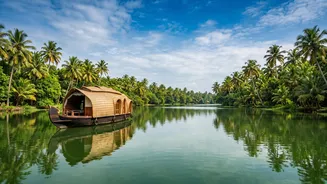
Kerala: God's Own Country Rejuvenated
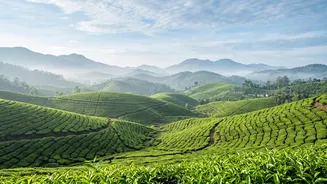
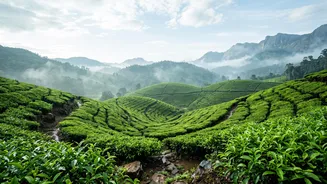
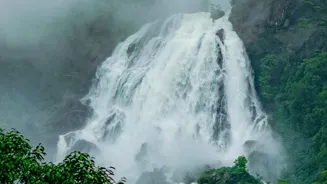
While the peak monsoon in Kerala is intense, September marks a beautiful transition. The southwest monsoon begins to recede, resulting in significantly less rainfall compared to July and August. What’s left is a state washed clean, with overflowing backwaters, roaring waterfalls, and tea gardens in Munnar looking their most vibrant. This shoulder season means you can experience the serene backwaters of Alleppey or the misty hills of Wayanad without the peak season crowds or prices. The weather is a comfortable mix of sunny spells and light showers, perfect for exploring the canals and enjoying the lush, tranquil environment that defines 'God's Own Country' after a fresh drink of water.
Spiti Valley: The High-Altitude Desert Awaits
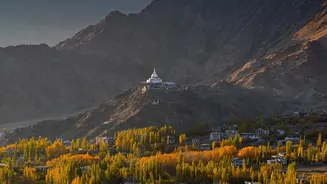
For those seeking adventure in the Himalayas, September is arguably the best time to visit Spiti Valley. Situated in a rain-shadow region, Spiti receives very little monsoon rainfall. By September, the weather is characterised by clear blue skies, providing stunning, unobstructed views of the stark, majestic landscape. The treacherous roads, including the Manali-Kaza highway, are generally clear and more reliable than during the summer months. Daytime temperatures are pleasant, perfect for visiting ancient monasteries like Key Gompa or trekking to high-altitude lakes. As the month progresses, you’ll see the valley take on autumnal hues, with golden barley fields ready for harvest. It's a window of opportunity before the extreme cold of winter sets in.
Maharashtra's Western Ghats: A Final Burst of Green
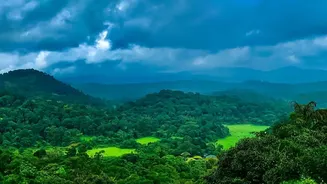
The hills of the Western Ghats in Maharashtra, including popular spots like Lonavala and Mahabaleshwar, are famous for their monsoon beauty. While the heaviest rains occur earlier, September offers a chance to catch the tail-end of this spectacle with more manageable weather. The landscape is still intensely green, waterfalls are full, and the misty, romantic atmosphere persists. A unique destination this month is the Kaas Plateau near Satara, a UNESCO World Natural Heritage site. In September, it transforms into a 'valley of flowers', with over 850 species of wildflowers blooming across the plateau, creating a breathtaking natural carpet of pink, purple, and yellow. It’s a fleeting, post-monsoon phenomenon that makes a September visit truly special.
Ziro Valley: Music and Post-Monsoon Splendour
In Arunachal Pradesh, Ziro Valley offers a unique combination of culture and nature in September. The valley is known for its picturesque terraced rice fields, which are a vibrant green after the monsoon rains. This month is particularly special as it hosts the famous Ziro Festival of Music, drawing attendees from across the country. Beyond the festival, the weather is pleasant for exploring the villages of the Apatani tribe and trekking through pine-clad hills. The skies begin to clear, and wildflowers, including cosmos, start to bloom, adding more colour to the already stunning landscape. It is a destination where you can immerse yourself in both natural beauty and a vibrant cultural scene as the monsoon retreats.