


From Samosa to Seed Mix
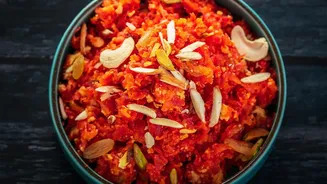
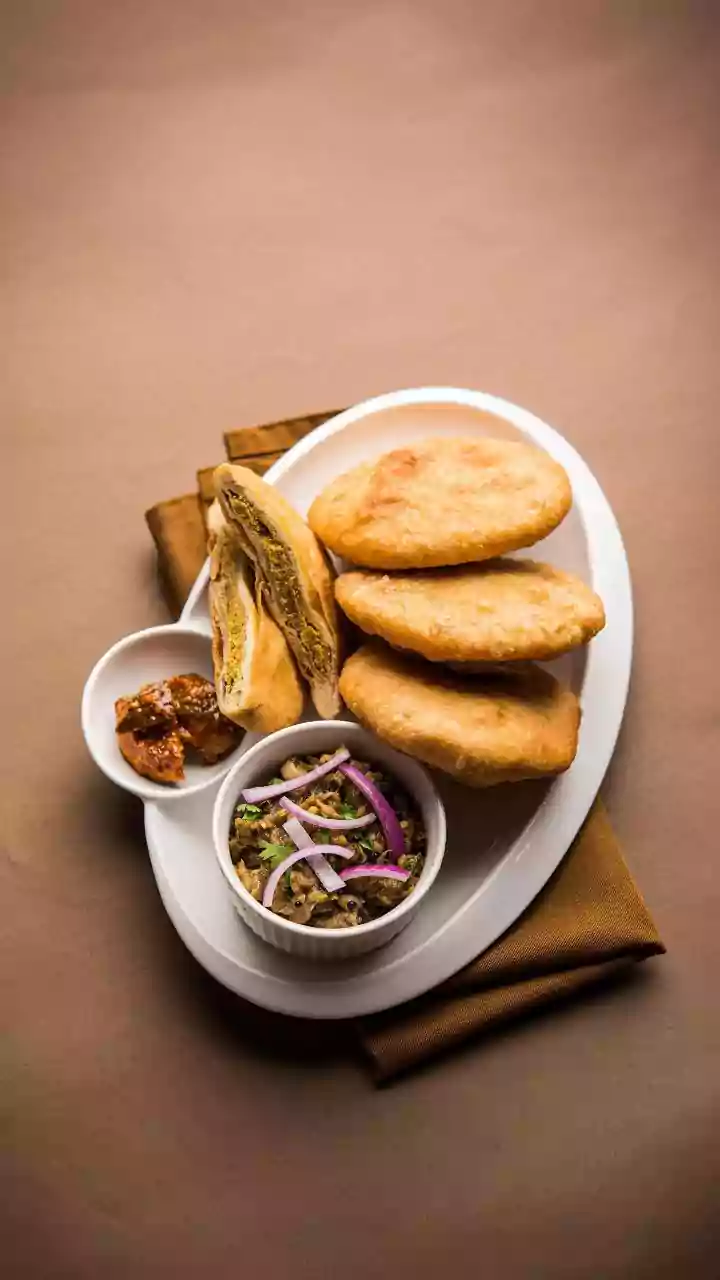
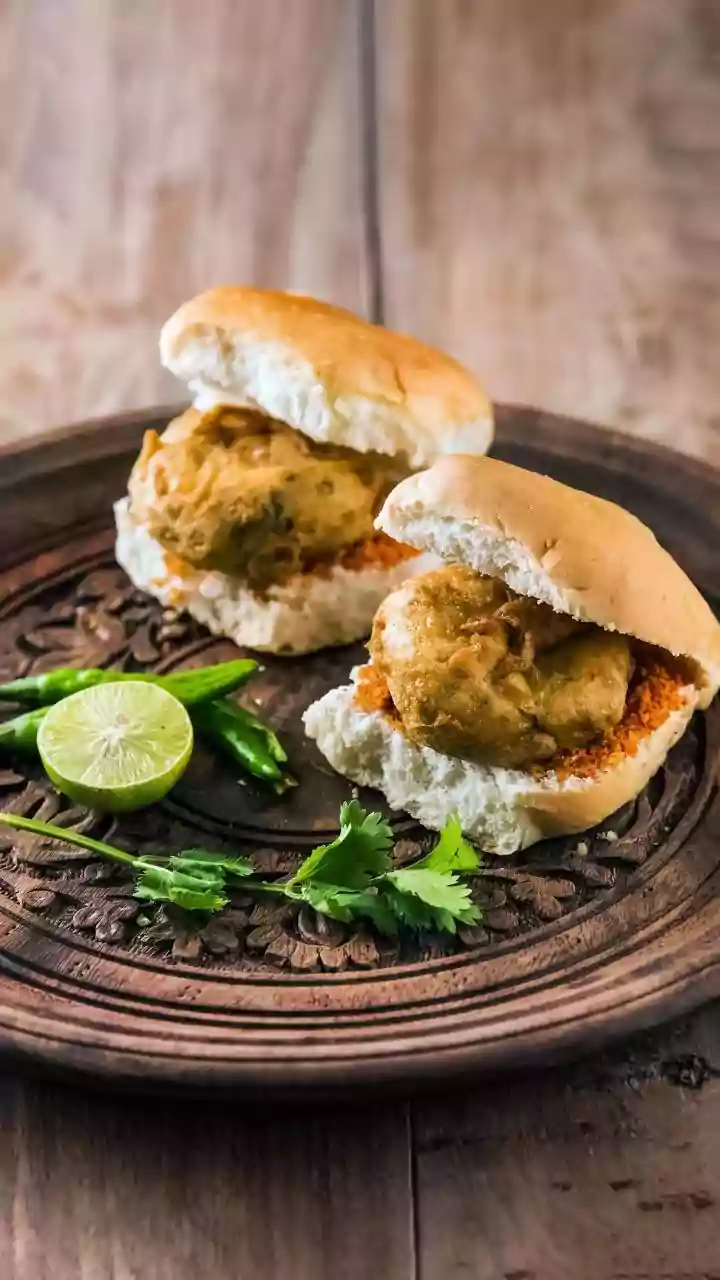
For generations, Indian snacking was synonymous with deep-fried, indulgent treats like samosas, kachoris, and bhujia. While these classics remain beloved, the daily snacking landscape is undergoing a significant transformation. The Indian healthy snacks
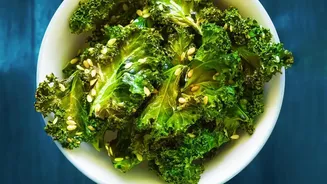
market, which was valued at over USD 3 billion in 2025, is projected to grow steadily, with some estimates predicting a market size of over USD 8 billion by 2033. This growth isn't just about numbers; it's about a fundamental change in consumer mindset. Driven by rising health consciousness, especially since the COVID-19 pandemic, consumers are actively seeking out alternatives that offer functional benefits without sacrificing taste. A 2026 report found that a staggering 86% of Indians consider protein an important factor when choosing a snack. This has pushed baked, popped, and roasted options from the niche wellness aisle into the mainstream shopping cart.
The New Face of the Indian Consumer
This shift is being powered by a new type of consumer: urban, informed, and intentional. With a growing middle class and rising disposable incomes, more people are willing to pay a premium for products that align with their wellness goals. Parents, in particular, are driving this trend, with nearly 60% saying they would pay more for healthier snack options for their children. Consumers are reading labels more diligently than ever, with a strong preference for clean-label products free from artificial preservatives and sweeteners. One survey noted 61% of consumers prefer snacks sweetened with natural ingredients like dates and jaggery. This demand for transparency is a hallmark of the modern Indian buyer, who is no longer a passive recipient of whatever is on the shelf but an active participant in their nutritional choices.
Ancient Grains, Modern Makeover
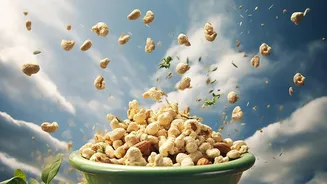
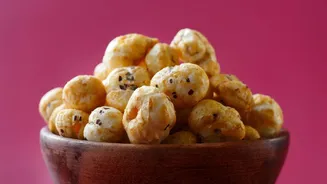
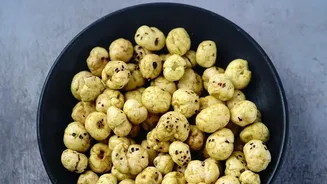
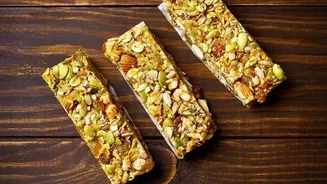
Perhaps the most interesting facet of this trend is the revival of traditional Indian ingredients. Millets like jowar, bajra, and ragi, along with makhana (fox nuts), are being rediscovered and repackaged for the modern palate. Once considered humble or regional staples, these ingredients are now the heroes of the healthy snack aisle, appearing in everything from puffs and crackers to energy bars. Makhana, in particular, has seen a meteoric rise, transforming from a traditional fasting food into a global superfood. This isn't just about nostalgia; it's about a smart fusion of tradition and modernity. Brands are using familiar, trusted ingredients and presenting them in convenient, flavourful formats like peri-peri makhana or ragi chips, making healthy eating both accessible and exciting.
The D2C and Quick Commerce Revolution
The growth of healthy snacking is inextricably linked to the explosion of India's direct-to-consumer (D2C) market and the rise of quick commerce. D2C brands have been instrumental in driving innovation, responding quickly to consumer demands for clean labels and novel products. They have bypassed traditional retail gatekeepers, using digital platforms to tell their brand story and connect directly with health-conscious consumers. This has been supercharged by quick-commerce platforms like Blinkit and Zepto, which have made impulse snacking healthier and more convenient. Snacks now reportedly account for nearly a third of all quick-commerce orders, demonstrating how technology is reshaping not just what we eat, but how we buy it.
A Reflection of a Changing Nation
Ultimately, the healthy snacking trend is more than just a dietary shift; it's a mirror reflecting a broader national evolution. It speaks to a country with a growing urban population that is more globally connected, digitally savvy, and proactive about personal health than ever before. The emphasis on preventive wellness, the willingness to invest in quality, and the pride in reviving traditional ingredients all point to a new definition of Indian food culture—one that balances heritage with modern health aspirations. The challenges of affordability and access remain, especially in rural areas, but the direction is clear. The choices being made in the snack aisle today are a powerful indicator of the future of food in a rapidly changing India.