


More Than Just Decoration
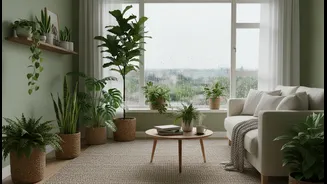
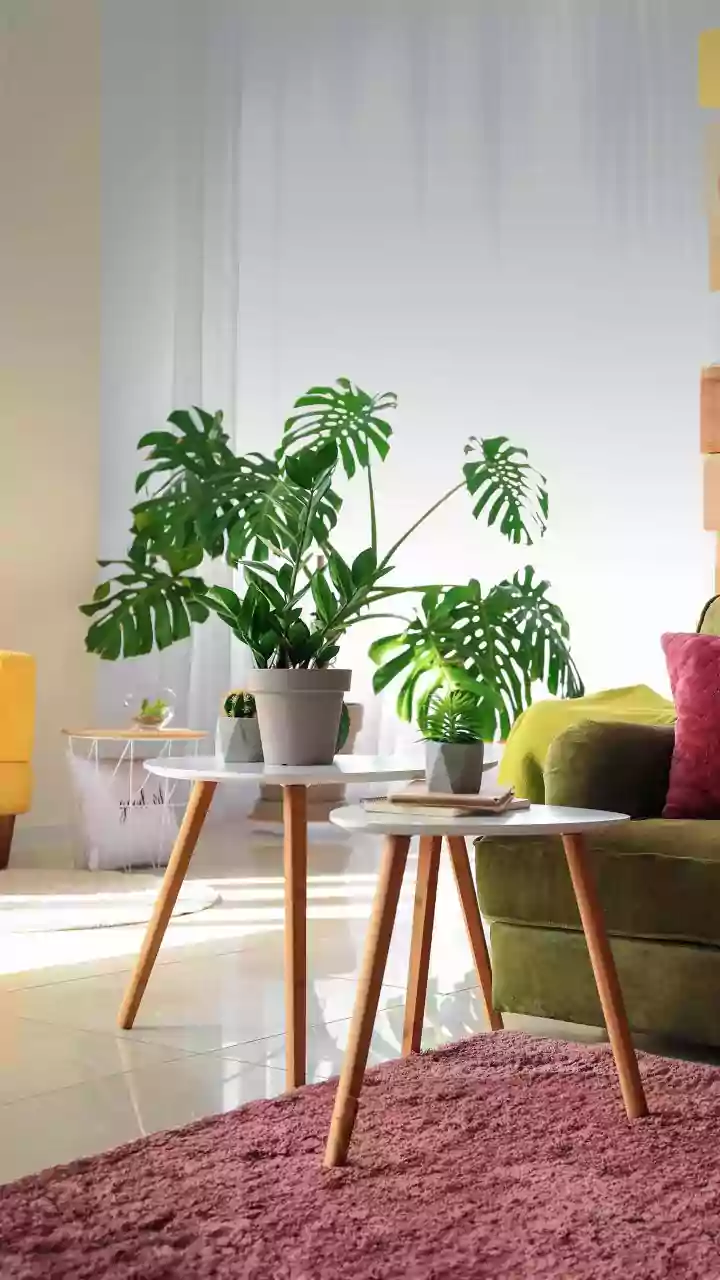
Bringing plants into your home does more than just add a decorative touch; it changes the very atmosphere of the space. The presence of greenery has a well-documented psychological effect, helping to reduce stress and anxiety while boosting your mood.
Studies have shown that interacting with indoor plants can lower physiological stress markers. That feeling of a space being 'fresher' isn't just about air quality. It's about the sense of life and vitality that plants bring. They connect us to nature, which can make a small, enclosed flat feel more open and calming. While the famous 1989 NASA study on air purification has been shown to be less applicable to a home environment (you'd need an impractical number of plants to truly scrub the air), the psychological benefits are undeniable. The presence of plants can improve concentration, enhance creative thinking, and simply make you feel better in your environment.
The Nearly Indestructible ZZ Plant
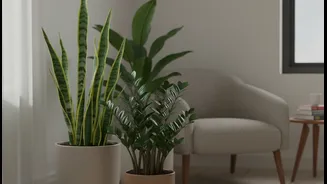
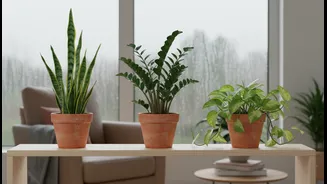
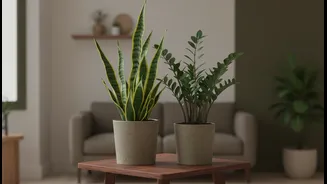
If you're new to plant parenthood or have a notoriously black thumb, the Zamioculcas zamiifolia, or ZZ Plant, is your perfect match. It's famous for being almost impossible to kill. Its wide, dark green, glossy leaves look polished and add a touch of modern elegance to any room. The ZZ Plant is exceptionally tolerant of low-light conditions, making it ideal for corners far from a window or in rooms with limited natural light. Its secret lies in its rhizomes—potato-like bulbs under the soil—that store water, making it incredibly drought-tolerant. You should only water it when the soil has completely dried out, as overwatering is one of the few ways to harm this resilient plant.
The Adaptable Snake Plant
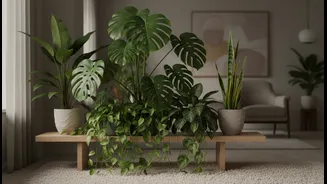
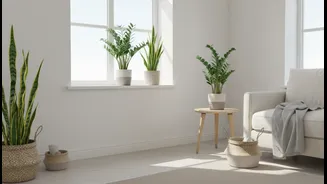
The Snake Plant (Sansevieria trifasciata) is another top contender for the easiest houseplant award. With its striking, upright, sword-like leaves, it offers a strong architectural element to your decor. It’s incredibly hardy and thrives even with neglect. Snake Plants are highly adaptable when it comes to light, tolerating everything from very low light to bright, indirect sunlight. This makes them perfect for almost any spot in your flat, from a dim hallway to a brighter living room corner. Like the ZZ Plant, the Snake Plant is sensitive to overwatering, so it's best to let the soil dry out completely between waterings. It’s a plant that asks for very little but gives a lot back in style and presence.
The Cascading Pothos (Money Plant)
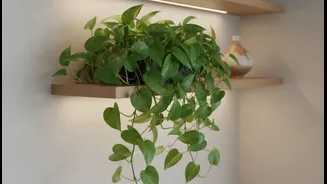
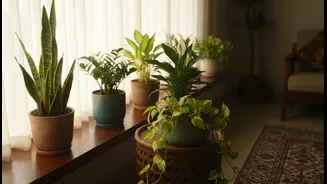
A staple in many Indian homes, the Pothos, or Money Plant (Epipremnum aureum), is loved for its versatility and fast-growing, trailing vines. It's an excellent choice for adding greenery to shelves, bookcases, or hanging baskets, where its cascading leaves can create a lush, jungle-like feel. Pothos is very forgiving and can thrive in a range of light conditions, including low light. While its variegation might be more pronounced in brighter light, it will happily grow in shadier spots. It’s also a great communicator; its leaves will start to droop slightly when it's thirsty. Water it when the top inch of soil feels dry, and it will quickly bounce back.
The Elegant Peace Lily
For those who want a low-light plant that also flowers, the Peace Lily (Spathiphyllum) is an excellent choice. It produces beautiful, elegant white blooms that stand out against its glossy, dark green leaves. The Peace Lily prefers moderate to low light and will even tell you when it needs a drink—its leaves will dramatically droop, perking right back up after watering. This makes it a great option for beginners who are still learning to read their plants' cues. It prefers its soil to be consistently moist but not waterlogged. Its ability to bloom in lower light makes it a rare and rewarding addition to a cosy flat.
Styling Plants in Small Spaces
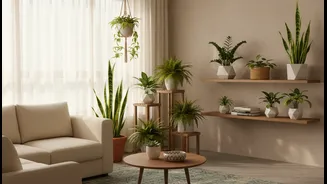
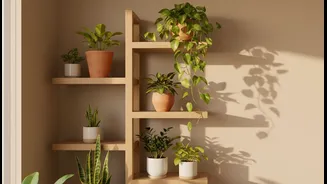
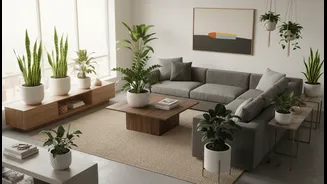
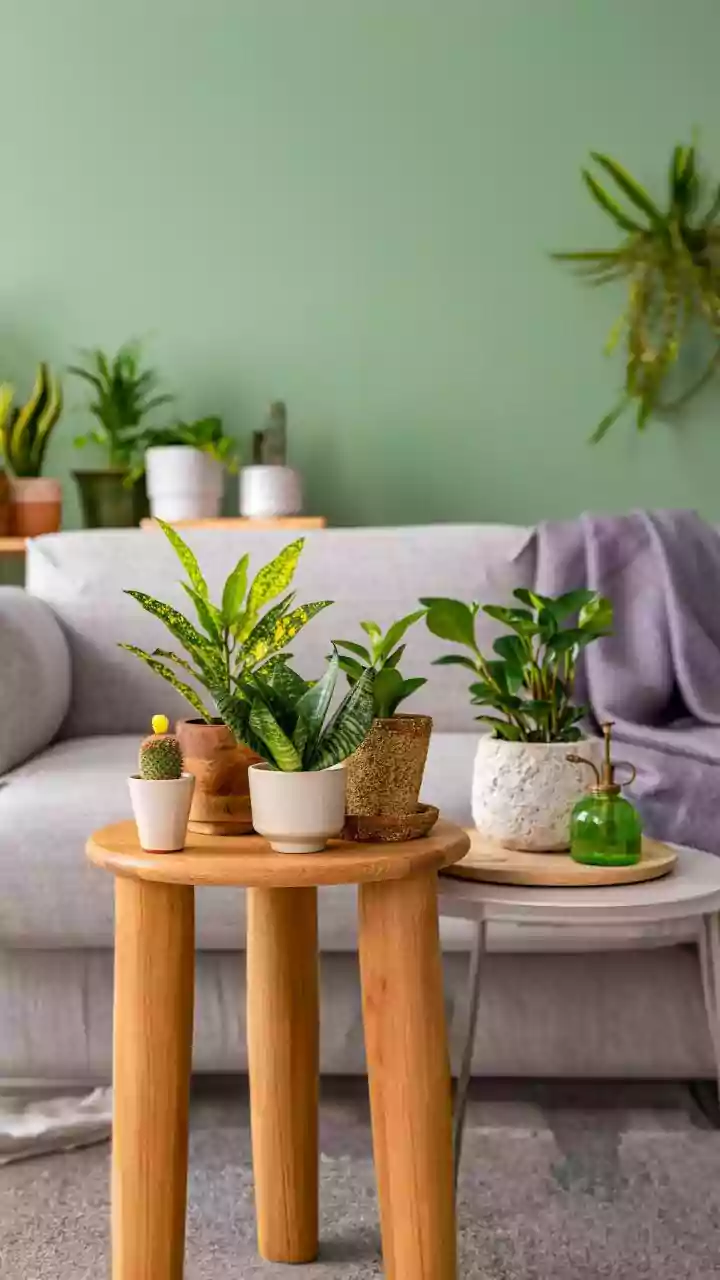
In a small flat, every square foot counts. The key to decorating with plants without creating clutter is to think vertically and strategically. Use hanging planters to draw the eye upward and free up floor space. Floating shelves are perfect for displaying a collection of smaller pots or a trailing Pothos. A tiered plant stand can hold multiple plants within a single small footprint, creating a lush focal point in a corner. Don’t forget about unused surfaces like window ledges, the top of the refrigerator, or a sturdy bookshelf. By grouping plants of different heights and textures, you can create a mini-garden that adds depth and visual interest to your home.