


Among the pantheon of beloved Indian desserts, few capture the essence of a season quite like Sitaphal Phirni. This creamy, fragrant rice pudding gets a luxurious upgrade from custard apple, creating a dessert celebrated for its unique texture.
The Soul of a Classic Pudding
At its
heart, phirni is a classic North Indian sweet with roots often traced back to Persian and Mughal kitchens. Unlike kheer, which uses whole grains of rice, phirni is defined by its use of coarsely ground rice. This single difference is what gives phirni its signature texture—not quite a smooth paste, but a delicately grainy consistency that is both comforting and refined. The ground rice is slow-cooked in full-fat milk, a patient process where the starches release gradually, thickening the milk into a creamy, luscious pudding. Flavoured simply with sugar and aromatics like cardamom or saffron, a well-made phirni is a testament to the beauty of simple ingredients transformed by technique.
Enter the Seasonal Star: Sitaphal
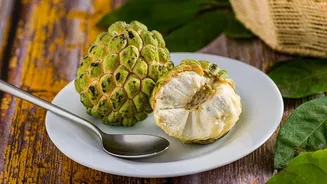
When custard apple, or sitaphal, is in season, it brings a magical quality to traditional sweets. Known for its intensely sweet flavour and creamy, almost custardy flesh, it is a natural partner for milk-based desserts. The fruit, which also goes by names like sharifa and sugar apple, is rich in vitamins and fibre. Preparing sitaphal for phirni requires a bit of labour—the soft, white pulp must be carefully separated from its numerous black seeds. This pulp is not cooked into the phirni from the start, which would diminish its fresh, fruity character. Instead, it’s gently folded into the rice pudding after it has cooled down slightly, ensuring the dessert is perfumed with its distinct, tropical sweetness.
Mastering the Perfect Texture
The sublime texture of Sitaphal Phirni is a delicate balance. It begins with the rice itself. Soaking the grains before grinding them into a coarse, semolina-like powder is a crucial first step. This paste is then whisked into simmering milk, requiring constant stirring to prevent lumps and ensure a smooth, even cook. The slow cooking allows the ground rice to swell and soften perfectly. The second key is adding the sitaphal pulp at the right time. If added to hot milk, it can curdle the dessert or become watery. By waiting for the phirni base to cool, the creamy fruit pulp can be incorporated seamlessly, adding its own body and flavour without compromising the pudding's structure. The result is a multi-layered textural experience: the gentle graininess of the rice, the rich creaminess of the milk, and the soft, luscious feel of the fruit.
The Art of Serving
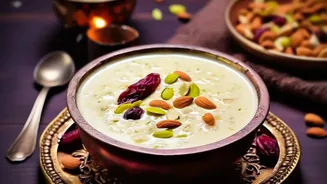
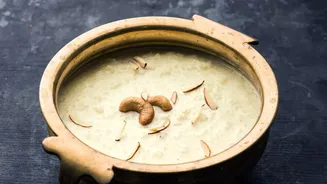
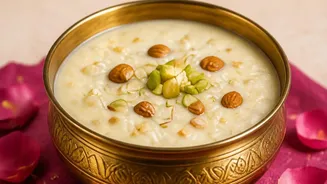
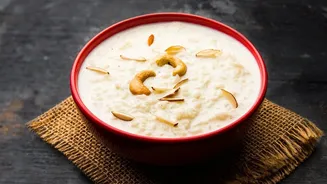
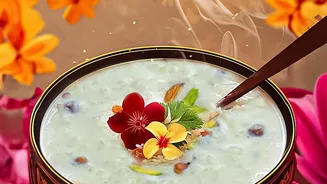
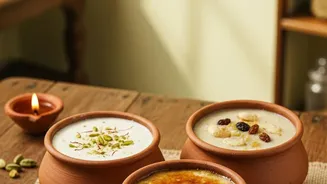
Traditionally, phirni is served chilled in shallow, unglazed clay bowls called 'shikoras' or 'matkas'. This tradition is more than just aesthetic. The porous clay absorbs a small amount of excess moisture from the pudding, helping it to set and thicken further, while also imparting a subtle, pleasant earthiness that complements the dessert's sweetness. Sitaphal Phirni is typically garnished with slivered pistachios and almonds, which provide a welcome crunch against the soft pudding. Sometimes, a few strands of saffron are added for colour and fragrance. Served cold, it's a refreshing and elegant dessert, perfect for festive occasions or as a sweet, comforting end to a meal.