




The Beloved National Cliché
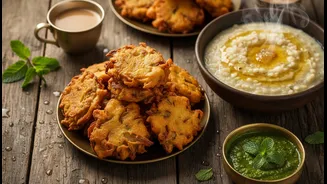
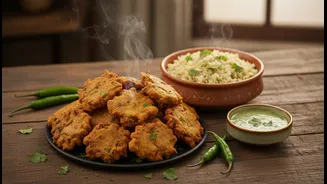
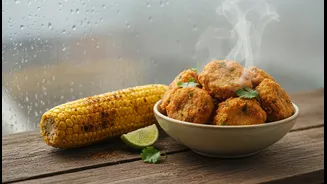
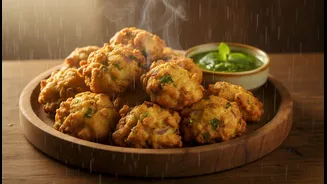
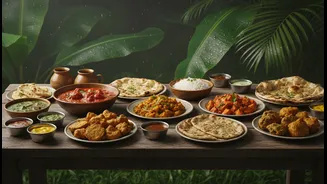
There's no denying the magic of a hot cup of tea paired with a plate of crispy, fried pakoras as rain patters against the windowpane. This combination is more than just a snack; it's a cultural shorthand for comfort, nostalgia, and the collective joy
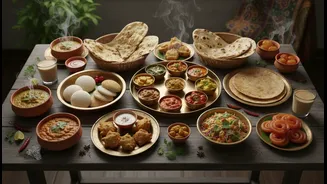
of the monsoon. From street vendors to home kitchens, the sizzle of batter hitting hot oil is a sound synonymous with the season across much of North India. Roasted corn on the cob, or bhutta, slathered in lime and spices, is another universal favourite that evokes an old-world charm. This imagery is powerful and pervasive, dominating social media feeds and food articles. But in a country with such staggering culinary diversity, its dominance risks painting a monolithic picture of a deeply regional experience.
An Eastern Symphony: Khichuri and Ilish
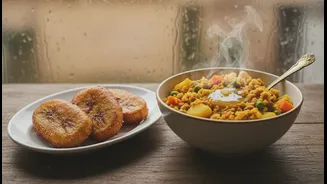
Travel east to Bengal, and the monsoon palate changes dramatically. Here, the season is inextricably linked with Khichuri, a comforting one-pot dish of rice and lentils. Far from being simple sick-bed food, the Bengali monsoon khichuri is a celebratory meal, often cooked with vegetables and aromatic spices. But the true star of the season is the Ilish, or Hilsa fish. The monsoon is when this prized fish, rich in oils and flavour, travels upstream to spawn, making it abundantly available. The classic pairing of a runny masoor dal khichuri with golden-fried Ilish (Ilish Maach Bhaja) is a combination that no Bengali can resist, a culinary event eagerly awaited all year.
Western Wonders: Beyond the Bhajiya
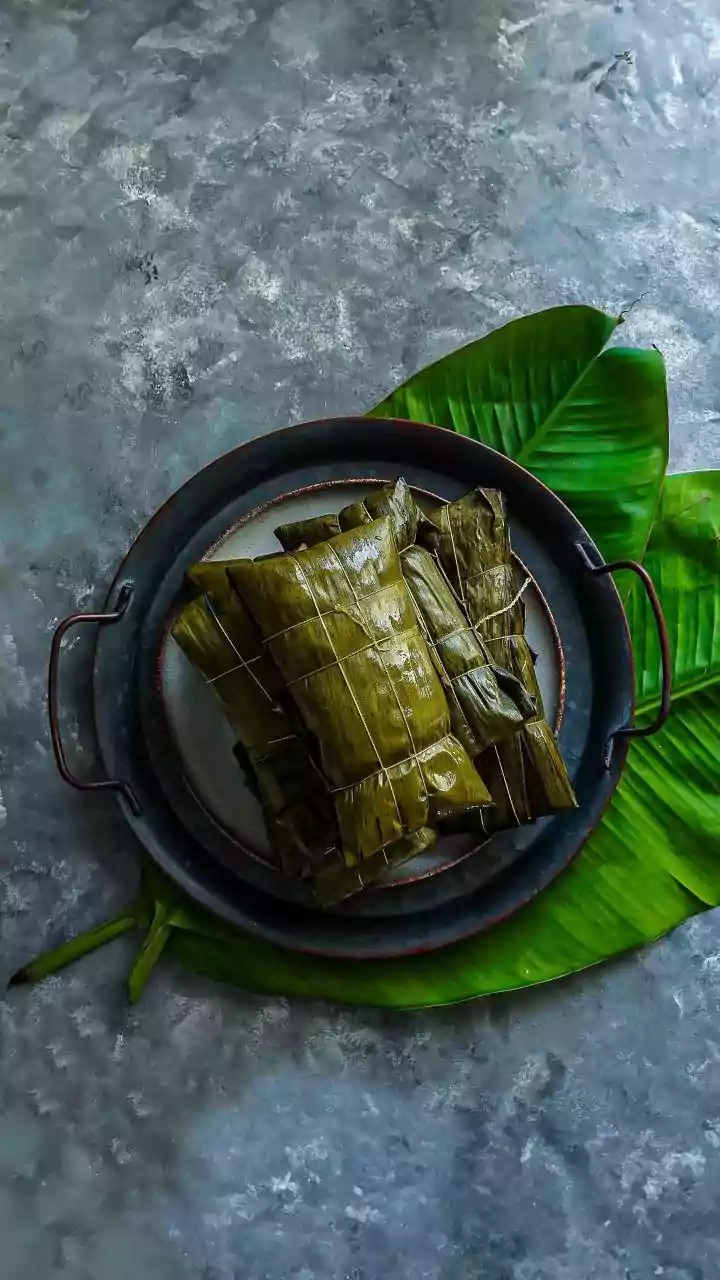
In Western India, the monsoon brings forth a unique array of textures and flavours. In Maharashtra and Gujarat, kitchens get busy with Patra, also known as Alu Vadi. This delicacy involves smearing colocasia leaves, which flourish during the rains, with a spiced gram flour paste, after which they are rolled, steamed, and fried. It's a labour of love that results in a crispy, tangy, and slightly sweet snack. Foraged vegetables also make an appearance, with wild greens like phodshi being turned into flavourful stir-fries in Maharashtra, showcasing a direct connection to the seasonal bounty.
Southern Comfort: Healing in a Bowl
In the south, monsoon food is deeply intertwined with Ayurvedic principles of wellness. Kerala, which receives the first and most intense showers, turns to food as preventive medicine. The star dish is Karkidaka Kanji, a medicated rice porridge. Consumed during the Malayalam month of Karkidakam, this gruel is made with a special variety of Navara rice and a blend of herbs and spices designed to boost immunity and aid digestion when the body is considered most vulnerable. This isn't just a meal; it's an annual wellness ritual, a concept far removed from the simple indulgence of fried snacks.
A Taste of the Hills and Plains
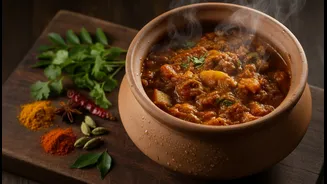
The diversity continues into the country’s vast interior and northern hills. In Jharkhand, the monsoon means foraging for Rugda, a unique variety of mushroom that grows wild in the Sal forests and has a meaty texture. In the Northeast, the rains bring an abundance of edible bamboo shoots, which are pickled, fermented, or used in tangy, warming soups like the Paa Saa of Arunachal Pradesh. These ingredients are hyper-local and define the taste of the season in their regions, yet they remain largely absent from the mainstream monsoon food narrative.