






The First Ripple: Direct Impact
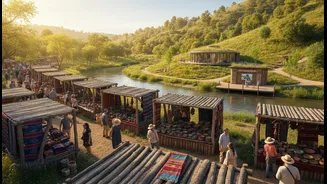
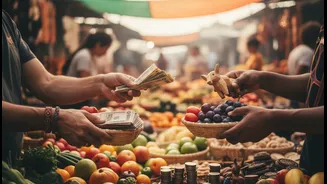
The most visible effect of tourism is direct spending. This is the money visitors pay directly to frontline businesses. Think of hotels, restaurants, taxi drivers, tour guides, and shops selling local goods. This initial transaction is the start of the economic
chain. For the business owner, this revenue covers immediate costs like rent, inventory, and, crucially, the wages of their employees. This is the first and most obvious way tourism supports local livelihoods, providing direct employment and income to people who interact with tourists every day.
The Hidden Network: Indirect Impact
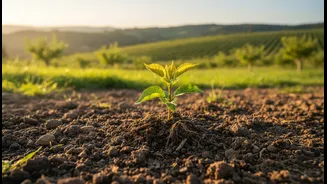
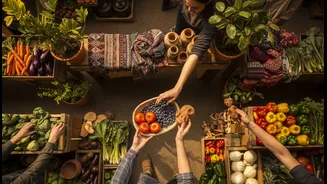
Here's where the story gets more interesting. The hotel that received payment for a room doesn't just keep all the money. It has to buy supplies and services from other local businesses to operate. This is the indirect impact. The hotel buys fresh produce from local farmers, linens from a nearby textile supplier, and hires a local firm for maintenance. The restaurant a tourist dines at buys its vegetables, meats, and spices from local vendors. These suppliers are often small-scale businesses that may never see a tourist directly, but their survival depends on the tourism ecosystem. Every rupee spent by a visitor triggers a cascade of subsequent purchases within the community, supporting a hidden network of producers and service providers.
The Multiplier Effect: Induced Impact
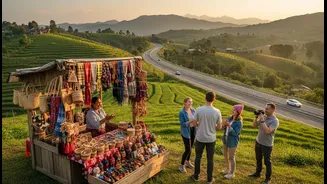
The economic benefits multiply even further through what economists call induced impact. An employee at the hotel or the farmer who supplied the vegetables now has a salary. They spend this income within their own community. They buy groceries from the corner store, pay for their children's schooling, purchase clothes from a local shop, or visit a local cinema. This spending by employees of both direct and indirect businesses creates another wave of economic activity. This “multiplier effect” means that a single rupee spent by a tourist can circulate multiple times, generating two or three rupees in total economic value for the community before it 'leaks' out through savings or the purchase of imported goods.
Sustaining Culture and Empowering Communities
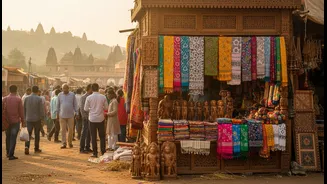
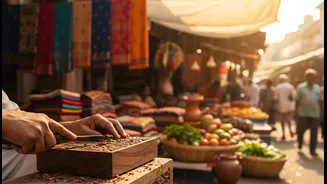
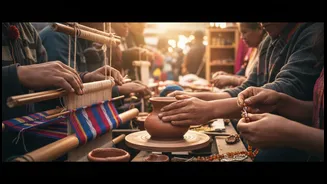
Beyond the purely economic, tourism creates a vital market for cultural preservation. Travellers often seek authentic souvenirs and experiences that reflect the local heritage. This demand provides a livelihood for artisans, weavers, and performers, helping to keep traditional crafts alive that might otherwise disappear. The handicraft sector in India, which supports millions of artisans, many of whom are women or from marginalised groups, is heavily driven by tourism. By creating a viable economic incentive for cultural practices, tourism empowers communities to take pride in their heritage and ensures these skills are passed down to the next generation.
The Engine for Local Development
When all these effects—direct, indirect, and induced—work together, they form a powerful engine for local development. Tourism revenue contributes to government coffers through taxes, which can then be reinvested into improving local infrastructure like roads, sanitation, and public transport—benefiting residents and visitors alike. This cycle of spending, job creation, and reinvestment helps diversify local economies, making them more resilient. It creates a vibrant environment that not only attracts more visitors but also makes the community a better place to live and work.