






Who Is Hiking Prices and By How Much?
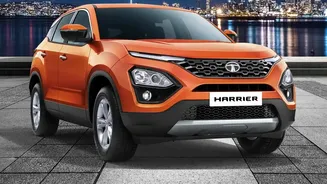
The September price increase isn't just a rumour; it's a confirmed move by some of India's biggest car manufacturers. Tata Motors announced it will raise prices across its entire portfolio, including both petrol/diesel cars and electric vehicles, by up
to ₹25,000 starting September 1. Similarly, Hyundai Motor India will implement a price increase of up to 1% across its model range from the beginning of the month. These companies join others like Maruti Suzuki, which already raised prices in August, and Mahindra, which did so in July, signalling an industry-wide trend. For both Tata and Hyundai, this marks their third price adjustment in 2026, highlighting the persistent cost pressures they face.
Why Are Prices Going Up Again?
Automakers are pointing to a perfect storm of economic factors. The primary driver is the rising cost of raw materials and other inputs. Prices for essential commodities like steel and copper have remained high, directly impacting manufacturing expenses. Companies also cite sustained inflationary pressures, higher operational costs, and ongoing geopolitical uncertainties that affect supply chains and the overall economic environment. While manufacturers state they absorb a significant portion of these increased costs, they are now passing a part of the burden onto customers to protect their margins.
The Case for Buying Now
The most compelling reason to purchase a car before the end of August is simple: guaranteed savings. A 1% increase on a car priced at ₹15 lakh translates to a direct hit of ₹15,000. For a model seeing a ₹25,000 hike, the saving is even more straightforward. By closing your purchase now, you lock in the current, lower ex-showroom price. Furthermore, dealers are often looking to clear out inventory at the end of the month, and many are currently running August-specific or Independence Day offers that could disappear come September. Combining a current discount with the pre-hike price could represent the lowest possible cost for the vehicle you want.
The Strategic Gamble of Waiting
While buying now offers certainty, waiting could potentially yield bigger rewards. The September price hikes coincide with the start of India's festive season, a period when car sales traditionally peak. To stay competitive and attract buyers, manufacturers and dealerships often roll out aggressive discounts, attractive financing schemes, exchange bonuses, and other benefits. It's possible that a festive offer in October could be generous enough to completely offset, or even surpass, the price increase from September. Waiting also makes sense if you have your eye on a new model or an upcoming facelift, like the 2026 Maruti Baleno, which is slated for a September launch.
Key Factors for Your Decision
Ultimately, this isn't just about timing the market; it's about your personal situation. Before you decide, ask yourself a few critical questions. First, how urgently do you need a new vehicle? If your need is immediate, buying now makes sense. Second, is your financing in order? A pre-approved loan gives you the flexibility to act quickly. Third, are you flexible on the model and variant? The announced hikes are 'up to' a certain amount, meaning the increase will vary. Your preferred variant might see only a marginal hike, reducing the urgency. Finally, assess your budget. Can it comfortably absorb a small price increase, or does every rupee count?