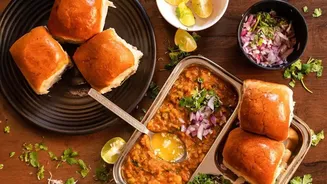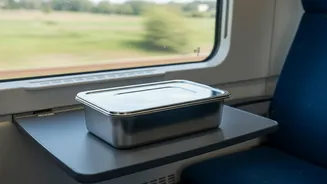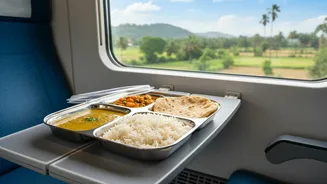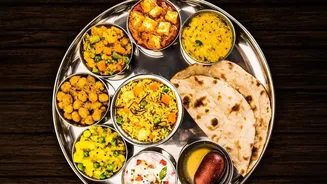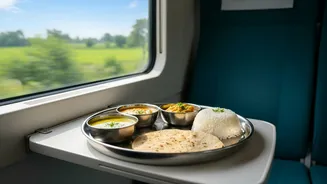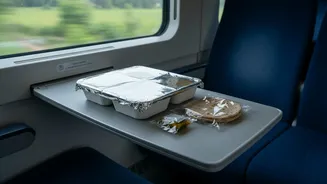




The Promise Versus The Plate
Indian Railways and its catering arm, IRCTC, aim to provide hygienic, quality and timely meals to the millions who travel daily. The official policy framework is robust, mandating compliance with Food Safety and Standards Authority of India (FSSAI) norms
for everything from preparation to handling. However, the passenger experience can often be a different story. Complaints about cold food, poor quality, unhygienic packaging, and overcharging are persistent issues that travelers report. In recent years, social media has been rife with anecdotal evidence, forcing the railways to confront the gap between its stated goals and the on-ground reality.
How Enforcement Is Supposed to Work
On paper, the system has multiple layers of oversight. IRCTC and zonal railway officials, including designated Food Safety Officers, are tasked with conducting both regular and surprise inspections of pantry cars and base kitchens. These checks are meant to monitor everything from the quality of raw materials to the maintenance of cooking equipment and overall cleanliness. All catering units are required to have FSSAI certification. To enforce accountability, the railways have a system of penalties, which can range from hefty fines to the termination of catering contracts for repeat offenders. Over the last three years, Indian Railways has imposed penalties worth ₹5.13 crore and terminated six catering contracts for violations.
Recent Crackdowns and New Initiatives
In response to continued complaints and specific incidents, the Railway Board has initiated several special drives. Following recent fire incidents, a 15-day nationwide fire safety audit of pantry cars was launched in June 2026 to check for safety violations like tampered heating equipment and blocked smoke detectors. Beyond safety, technology is being leveraged to improve transparency. Initiatives include installing CCTV cameras in base kitchens for real-time monitoring, with some kitchens even offering live streaming to the public via the IRCTC website. Another significant step is the introduction of QR codes on meal packets, allowing passengers to see details like the kitchen's name, FSSAI license number, and date of packaging.
The Persistent Gaps
Despite these measures, problems persist due to the sheer scale of operations. With an average of 58 crore meals served annually, ensuring consistent quality across the vast network is a monumental challenge. Issues often stem from third-party contractors and unauthorised vendors. Recently, IRCTC launched a major drive against unauthorised e-catering websites that were sourcing food from unregulated eateries, posing health and cybersecurity risks to passengers. Furthermore, inspection drives have revealed serious lapses, such as staff covering smoke detectors or using unsafe electrical wiring in pantry cars, highlighting a constant struggle to enforce compliance.
What You Can Do as a Passenger
As a passenger, being informed is your best defence. Always try to purchase food from official IRCTC staff or authorised vendors. Check for the IRCTC logo and the QR code on meal packets. If you encounter any issues—be it poor quality, overpricing, or unhygienic conditions—you have several channels for redressal. The primary complaint number is the rail helpline 139. You can also lodge complaints via the Rail Madad portal or app, and even use Twitter by tagging the official @RailwaySeva handle for real-time assistance. For e-catering, only use the official IRCTC 'Food on Track' app or website to avoid unauthorised and potentially unsafe operators.