





The Promise of Acoustic Pest Control
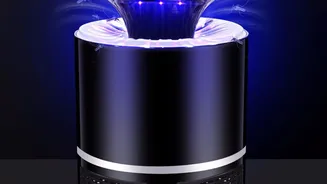
Imagine a farm where pests are driven away not by chemical sprays, but by targeted sound waves inaudible to humans. This is the core idea behind acoustic pest management. The technology, broadly known as ultrasonic pest control, involves devices that
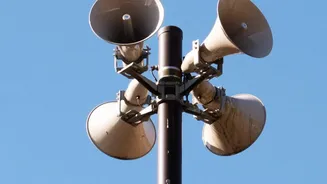
emit high-frequency sound waves, typically above 20 kilohertz (kHz), which is beyond the range of human hearing. The theory is that these sounds create an acoustically hostile environment for certain pests, disrupting their communication, navigation, and feeding habits, compelling them to leave the area. For urban organic farmers, who operate under strict no-chemical rules and often in close proximity to residential areas, a non-toxic, silent, and contained solution sounds almost too good to be true. The appeal is obvious: a potential way to protect high-value, sensitive crops without the environmental footprint of traditional agriculture.
Myth vs. Reality: Does It Actually Work?
Here's where the science gets complicated. While the concept is biologically plausible—many insects and rodents can hear in ultrasonic ranges—the real-world effectiveness of commercially available devices is a subject of intense debate and skepticism. Numerous scientific studies and reviews from institutions like Cornell University and the University of Arizona have found that many consumer-grade ultrasonic repellers have little to no long-term effect on pests like cockroaches, mosquitoes, or rodents. Pests often habituate to the constant noise, much like a person learns to ignore the drone of a refrigerator. Furthermore, these sound waves are easily blocked by walls, furniture, and even dense foliage, creating sonic “shadows” where pests can safely hide. The Federal Trade Commission (FTC) has even warned manufacturers against making effectiveness claims that aren't backed by scientific evidence.
Beyond Repulsion: The New Wave of Bio-Acoustics
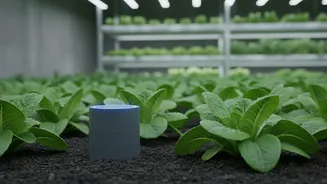
While simply blasting a continuous tone may be ineffective, the future of sound-based pest management is becoming far more sophisticated. The emerging field of bio-acoustics isn't just about repelling pests; it's about understanding and manipulating them. One innovative approach is acoustic detection. Startups are developing highly sensitive sensors paired with AI that can “listen” for the nearly imperceptible sounds of insects feeding inside plants or soil. This allows for incredibly early pest detection, letting farmers take precise action long before an infestation becomes visible. Another frontier is using sound to attract, not repel. Researchers have found that specific sound frequencies can mimic mating calls or other signals, luring pests into traps. This method has shown success in trapping species like mole crickets, certain moths, and fruit flies in controlled settings. It shifts the goal from scaring pests away to actively removing them from the equation.
The Future is Targeted: Sonogenetics
Perhaps the most groundbreaking, albeit futuristic, application is a technology called sonogenetics. This highly advanced field combines genetic engineering with acoustics. In principle, scientists can modify an insect pest to have specific genes that are sensitive to certain sound frequencies. When those frequencies are broadcast, they could trigger a desired response, such as rendering the pest sterile or even triggering programmed cell death. This method offers unprecedented specificity, targeting only a single pest species without affecting beneficial insects like bees or pollinators. While sonogenetics is still largely in the research and development phase and not yet in use on commercial farms, it represents the ultimate vision of what acoustic pest control could become: a precise, chemical-free tool that works in harmony with the environment.