



The Daily Dal: A Foundational Protein
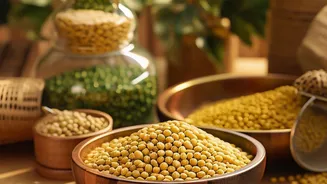
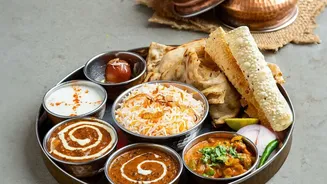
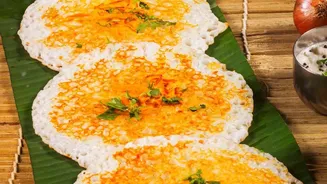
Lentils, or dal, are a staple in almost every Indian household for a reason. They are an affordable and excellent source of plant-based protein, with a single cooked cup providing around 15-18 grams. Whether it's toor, moong, masoor, or urad dal, regularly
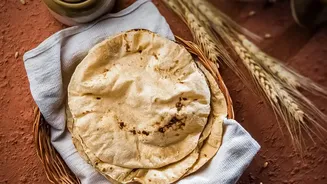
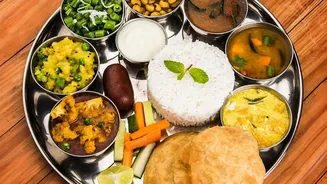
including a bowl with your meals is a powerful first step. The real genius of Indian cuisine lies in its combinations. Pairing dal with rice or roti isn't just for taste; it's a nutritional strategy. Most dals are rich in an amino acid called lysine but low in methionine, while grains like rice and wheat are the opposite. Eaten together, they form a 'complete protein,' providing all the essential amino acids your body needs to build and repair tissue.
Dairy Delights: Paneer and Curd
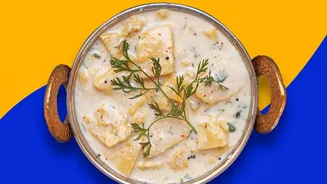
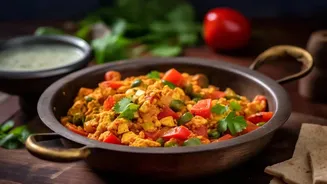
Dairy products are another cornerstone of the Indian diet, offering high-quality, complete proteins. Paneer, or Indian cottage cheese, is a favourite, packing approximately 18 grams of protein per 100-gram serving. Its versatility is a major plus; you can crumble it into bhurji, add cubes to curries, or grill it for a satisfying snack. Curd (dahi) or Greek yogurt is another fantastic option. A serving of Greek yogurt can provide around 10 grams of protein, nearly double that of regular curd. It's great for gut health and can be enjoyed as a side, blended into a lassi or smoothie, or used to make raita.
Legumes Beyond Lentils
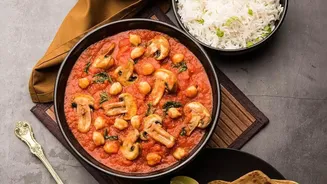
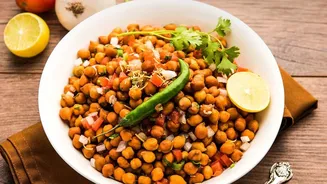
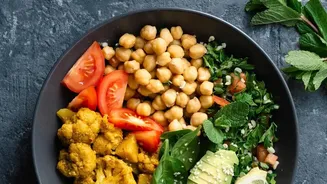
Beyond the daily dal, other legumes are protein powerhouses. Chickpeas (chana) and kidney beans (rajma) are incredibly popular and nutritious. A cup of cooked chickpeas offers about 15 grams of protein, making dishes like chana masala or roasted chana snacks excellent choices. Rajma, often paired with rice, is another classic complete-protein meal, providing around 9 grams per 100g. Sprouts from moong, chana, or other beans are also nutrient-dense, packed with easily digestible protein and vitamins. A simple sprouted moong salad can contain as much as 24 grams of protein.
Soy: The Plant-Based Champion
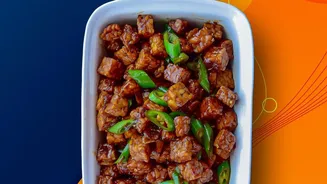
Soy products are among the few plant-based foods that are naturally complete proteins, containing all nine essential amino acids. Soya chunks are particularly notable, offering a remarkable 52 grams of protein per 100 grams when dry. Tofu, made from soybean curds, serves as a great alternative to paneer, with about 8-10 grams of protein per 100g serving. It absorbs flavours well, making it perfect for stir-fries and curries like palak tofu.
Nuts, Seeds, and Grains
Don't underestimate the small but mighty contributions of nuts, seeds, and whole grains. Almonds, walnuts, and peanuts are great for protein-rich snacking. Just a small handful can boost your daily intake. Seeds like chia, flax, and pumpkin are also packed with protein and can be easily sprinkled over yogurt, salads, or blended into smoothies. Even your choice of grain matters. While not primary protein sources, whole grains and millets like quinoa, oats, bajra, and ragi offer more protein and fibre than refined grains, contributing to your overall daily total.