








The Old Goal: Peak Performance at All Costs
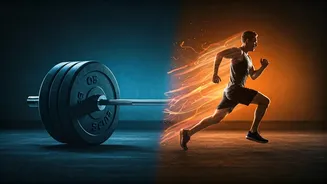
For a long time, the pinnacle of fitness was defined by intense, breathless effort. Think of high-intensity interval training (HIIT), where you push yourself to the absolute limit for short bursts. The primary metric of success in this world is often
VO2 max—the maximum amount of oxygen your body can use during intense exercise. A higher VO2 max is strongly linked to a lower risk of premature death, making it a critical marker for health. The 'go hard or go home' philosophy celebrates pushing through pain for maximum gains, focusing on smashing personal records and elevating performance. While effective for improving cardiovascular fitness quickly, this approach can be difficult to sustain and may not tell the whole story of long-term wellness.
The New Contender: Building a Longevity Base
A different philosophy is gaining significant traction, one that prioritizes sustainability and metabolic health. This approach champions lower-intensity, steady-state cardio, often called Zone 2 training. In Zone 2, you exercise at a conversational pace—around 60-70% of your maximum heart rate—for longer durations, like a 45-minute brisk walk or easy jog. The goal isn't to feel breathless but to build a robust aerobic foundation. This type of training is exceptional at improving mitochondrial function, which is crucial for energy production and overall cellular health. Proponents argue that by making your body more efficient at burning fat for fuel, you're building a more resilient 'engine' for a long and healthy life, with the added benefit of being easier to stick with consistently.
The Undisputed Champion: Strength Training
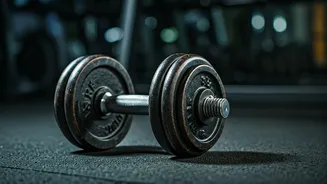
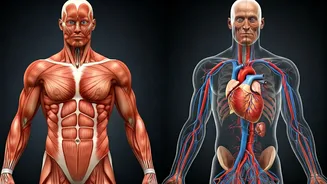
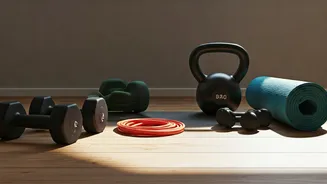
While the cardio debate rages, there is one element that experts agree is non-negotiable for longevity: strength training. Having more muscle mass is consistently linked to a lower risk of death from all causes. Lifting weights or doing bodyweight exercises does more than just build visible muscle; it preserves bone density, improves metabolic health, and enhances your stability, dramatically reducing the risk of falls and injury as you age. Studies show that as little as 30 to 60 minutes of resistance training a week can significantly lower mortality risk. Some experts even refer to muscle as the 'organ of longevity' for its profound protective effects. Functional strength—being able to carry groceries, lift a suitcase, or get up off the floor with ease—is a cornerstone of maintaining independence and a high quality of life for decades to come.
The Winning Formula: A Balanced Portfolio
The good news is that you don't have to choose a side. The scientific consensus points towards a blended approach for optimal longevity. Think of your fitness like an investment portfolio, where you need diversification for the best returns. The ideal routine combines the strengths of each method. Most of your cardio time, perhaps around 80%, should be dedicated to building your aerobic base with Zone 2 training. The remaining 20% can be spent on high-intensity efforts (HIIT) to push your VO2 max and keep your cardiovascular system at its peak. Woven into this should be at least two sessions of strength training per week, hitting all the major muscle groups. This combination builds a body that has both endurance and resilience.