




The Morning Ritual, Reimagined
For years, the takeaway cup of iced coffee has been a non-negotiable accessory for urban professionals. It signals the start of a productive day, a quick fix for morning grogginess. Recently, however, cafe menus and social media feeds tell a new story.
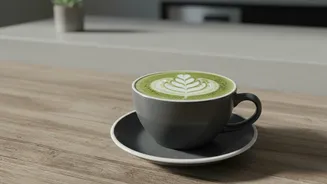
Vivid green lattes, powered by superfoods like matcha and moringa, are gaining significant ground. This isn't just about trying something new; it's a conscious decision driven by a desire for a different kind of energy—one that feels more balanced and sustainable. As consumers become more aware of how their choices affect their bodies, many are seeking alternatives that deliver focus without the familiar coffee-induced anxiety or the dreaded afternoon slump.
Meet Matcha: The Focused Energiser
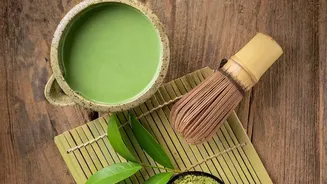
Matcha, a stone-ground powder made from whole Japanese green tea leaves, isn't new, but its modern appeal is exploding. Unlike coffee, which can cause a sharp spike and crash, matcha provides a smoother, more sustained energy lift. The secret lies in its unique combination of caffeine and an amino acid called L-theanine. While a serving of matcha has a comparable amount of caffeine to an espresso shot, the L-theanine promotes a state of calm, focused alertness. This means you get the energy boost to power through your tasks, but without the jittery, scattered feeling coffee can sometimes induce. Many who make the switch report feeling productively alert for hours, sidestepping the nervous energy that often accompanies their old espresso habit.
Moringa: The Caffeine-Free Powerhouse
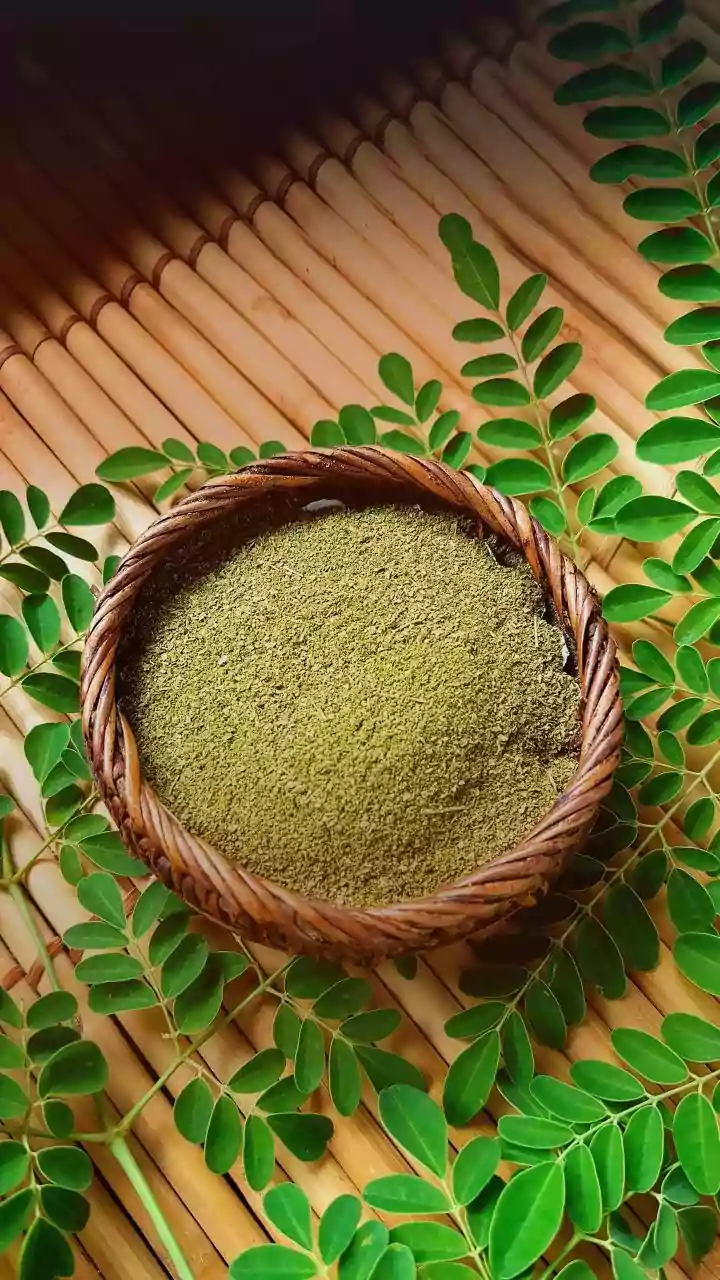
Often called the “miracle tree,” moringa comes from the leaves of the Moringa oleifera tree, native to India. Unlike matcha, moringa is completely caffeine-free, making it an ideal choice for those sensitive to stimulants or anyone looking for an afternoon pick-me-up that won't interfere with sleep. So where does the energy come from? Moringa is a nutritional powerhouse, packed with iron, B vitamins, calcium, and all nine essential amino acids. This dense nutrient profile is thought to provide a gentle, natural energy boost that supports the body's overall wellness rather than stimulating the central nervous system. Its flavour is milder and more earthy than matcha, often described as similar to spinach, making it a versatile addition to lattes, smoothies, and other brews.
The Jitters vs. The Gentle Lift
The choice between coffee, matcha, and moringa often comes down to how you want to feel. Coffee provides a fast and powerful jolt, but the rapid absorption can lead to a subsequent crash and feelings of anxiety for some. Matcha offers a 'calm-alert' state, thanks to L-theanine slowing the caffeine's release, making it perfect for focused work. Moringa, on the other hand, provides a stimulant-free vitality, nourishing the body with vitamins and minerals to fight fatigue. For many former iced coffee devotees, the move to these green alternatives is a deliberate step away from the cycle of intense highs and draining lows. It represents a shift toward functional beverages, where the goal isn't just to wake up, but to feel good and stay balanced throughout the entire day.
A Cultural Shift in Urban Cafes
The rise of moringa and matcha reflects a broader cultural shift towards wellness and mindful consumption, which is clearly visible in Indian cities. Cafes are no longer just about the quality of the coffee bean; they are becoming wellness hubs where the menu caters to a more health-conscious and informed consumer. The visual appeal of a vibrant green latte is undeniable, making it a popular feature on social media which, in turn, drives curiosity and demand. But beyond the aesthetics, these drinks represent a desire for functionality. Consumers are increasingly seeking beverages that do more than just taste good—they want drinks that support their health, from boosting immunity to improving focus, making these superfood brews a perfect fit for the modern urban lifestyle.