



Preparation Is Key
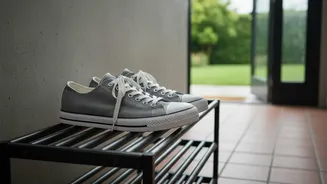
Before you begin any drying method, a few simple steps will dramatically speed up the process and ensure a more even result. First, remove the insoles and laces. This opens up the shoe, allowing air to circulate more freely. Insoles can be set aside to air-dry
separately. If your shoes are muddy or dirty, give them a quick clean with a brush or damp cloth. Trying to dry dirty shoes can set in stains and odours, so starting with a clean slate is always best.
What to Absolutely Avoid: Direct Heat
It may be tempting to place your soggy shoes near a radiator, in front of a space heater, or blast them with a hairdryer, but direct high heat is the fastest way to cause permanent damage. The intense heat can melt the adhesives that hold your shoes together, causing them to deform or fall apart. It can also make leather crack and become brittle, shrink synthetic materials, and cause colours to fade. Clothes dryers are also generally not recommended; the tumbling action can damage both the shoes and the appliance, and the heat can cause them to shrink or warp.
The Classic Method: Newspaper
One of the oldest and most effective tricks involves a common household item: newspaper. The paper, made from absorbent wood pulp, is excellent at wicking moisture away from the shoe's interior. Crumple up sheets of newspaper and stuff them firmly into your shoes, making sure to reach all the way to the toe. You can also wrap the outside of the shoes in newspaper or a towel. Depending on how wet the shoes are, you may need to replace the damp newspaper with fresh sheets every few hours to continue the absorption process. This method is gentle and helps the shoe maintain its shape as it dries.
The Airflow Method: Using a Fan
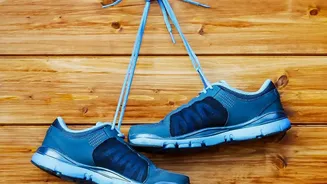
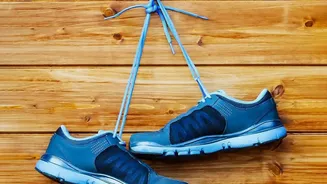
For a faster, yet still safe, result, a simple room fan is your best friend. Good air circulation is crucial for evaporating moisture. Position a fan to blow cool air directly into the opening of the shoes. You can prop the shoes up against a wall or use a clever trick: create S-shaped hooks from an old wire hanger to suspend the shoes from the fan's grill, allowing air to flow deep inside. This method is particularly effective for athletic shoes and sneakers. It can dry a pair of shoes in just a few hours without any risk of heat damage.
Special Care for Different Materials
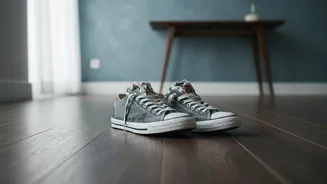
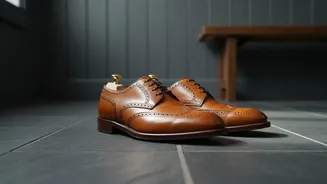
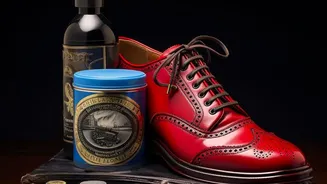
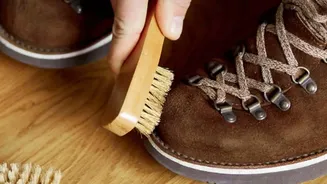
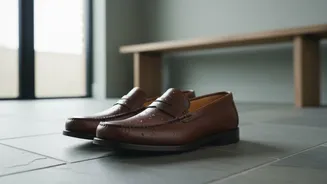
Not all shoes are created equal, and different materials require slightly different approaches. For leather shoes, slow air-drying is paramount to prevent cracking. Once they are completely dry, it's wise to apply a leather conditioner to restore essential oils and maintain flexibility. For suede shoes, which can be prone to water stains, allow them to dry fully and then use a suede brush to restore the material's soft texture, or nap. For synthetic running shoes, the fan method works wonders, but always avoid the high heat that can compromise their lightweight construction.