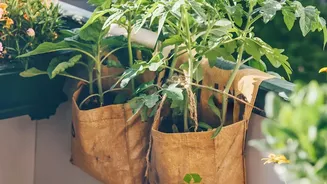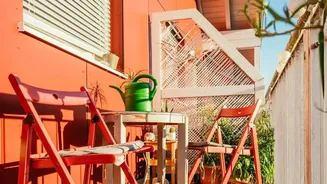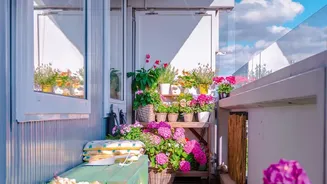





The Foundation: Your Balcony Basics
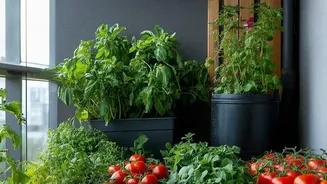
Before you even buy a single plant, the secret to success lies in the setup. First, assess your sunlight. Most culinary herbs, especially basil, crave at least six hours of direct sun daily. Watch your balcony through the day to find the sunniest spots.
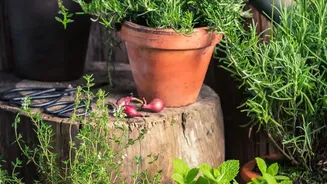
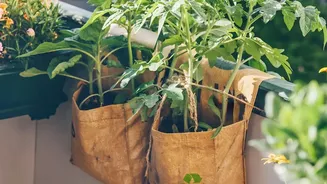
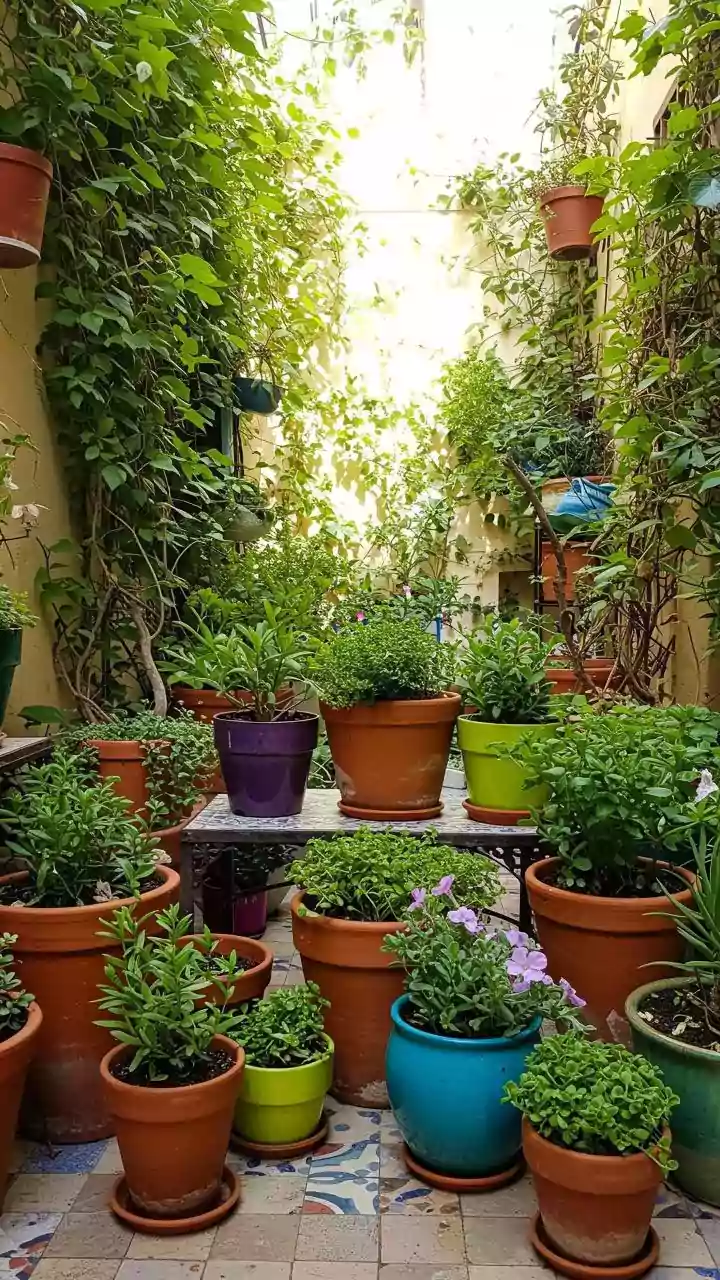
Next, choose your containers. Terracotta pots are excellent as they are porous and prevent waterlogging, but plastic pots retain moisture longer, which can be helpful in hot summers. The non-negotiable feature is drainage holes. Roots sitting in water is the fastest way to kill an herb plant. Finally, the soil. Don't use heavy garden soil. Instead, opt for a light, well-draining potting mix, ideally blended with some compost for nutrients and perlite or coarse sand to improve aeration and drainage.
The Basil Blueprint
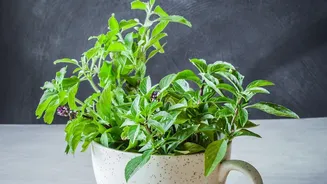
Basil, whether it's sweet Italian or the revered Tulsi (Holy Basil), is a sun-worshipper. It needs that full six to eight hours of sun to produce the aromatic oils that give it its signature flavour. Basil prefers its soil to be consistently moist but never soggy. A good rule is to water deeply when the top inch of soil feels dry to the touch. The biggest secret to a bushy basil plant is frequent harvesting. Once the plant has a few sets of leaves, don't just pick individual leaves. Snip the top of a stem right above a pair of leaves. This encourages the plant to branch out, creating a fuller, more productive plant instead of a single, leggy stalk.
Mastering Mint The Right Way
Mint, or pudina, is famously easy to grow—so easy, in fact, that it can quickly become a garden bully. Its roots are aggressive runners, and if planted with other herbs, it will choke them out. The ultimate secret to taming mint is to give it its own pot. Never plant it directly in a shared container. Unlike basil, mint is more tolerant of partial shade, making it a versatile choice for balconies with varied light. It thrives in soil that is kept consistently moist. You can start a new plant easily from a healthy cutting from a bunch you bought at the market; just place the stem in a glass of water, and it will sprout roots in about a week.
The Curry Leaf Commitment
The kadi patta, or curry leaf plant, is a must-have for any Indian kitchen, but it requires more patience than mint or basil. It's technically a small tree, so it needs a deeper pot to accommodate its root system. It thrives in warm climates and loves a sunny spot, needing at least five to six hours of sunlight. A beginner's mistake is panicking when the plant sheds its leaves in cooler weather; this is a normal dormancy period, not a sign of death. Be patient in its first year, as it takes time to establish. Water it well, but ensure the soil drains freely. A healthy, established plant will reward you with aromatic leaves for years, bringing an authentic flavour to countless dishes that you simply can't get from dried leaves.
Harvest for Abundance
The most rewarding part of having an herb garden is using your harvest. Regular pruning is not just for collecting ingredients; it's essential for the plant's health and productivity. For leafy herbs like basil and mint, regular pinching of the top leaves encourages bushier, healthier growth. For the curry leaf plant, you can harvest an entire sprig. This signals the plant to produce more. Always use clean, sharp scissors or pruners to make a clean cut, which helps the plant heal quickly and reduces the risk of disease. The more you use your herbs, the more they will grow, providing you with a continuous supply of fresh flavour right at your fingertips.