






Beyond the Two-Page Resume
For decades, the job search has followed a predictable script: you find a job opening, tweak your resume, write a cover letter, and send it into the digital void, hoping for a response. But in today's crowded and competitive job market, this passive approach
is becoming less effective. Recruiters are inundated with hundreds, sometimes thousands, of similar-looking CVs for a single role. They spend mere seconds scanning each one for keywords and relevant experience. A traditional resume tells a recruiter what you've done; it rarely shows them *how well* you've done it. It lists your skills but doesn't prove your proficiency. This is where the interactive web portfolio changes the game entirely, shifting you from just another applicant to a memorable candidate.
What Is an Interactive Web Portfolio?
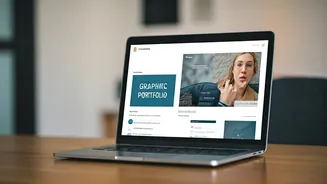
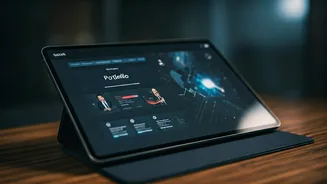
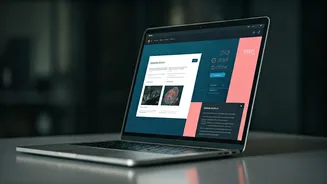
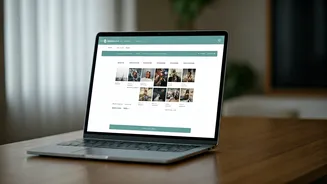
Think of an interactive web portfolio as your personal professional website. It's a dynamic, curated space online where you control the narrative. Unlike a rigid, text-only resume, a portfolio allows you to bring your accomplishments to life. For a graphic designer, it means displaying high-resolution designs. For a writer, it means publishing full articles. For a software developer, it means linking to live projects or a GitHub repository. For a marketing manager, it means showcasing successful campaigns with visuals and data. The 'interactive' element means a recruiter can click through your projects, watch videos, read testimonials, and engage with your work in a way that a PDF file simply cannot allow. It’s your career story, told visually and compellingly.
Why Recruiters Love Portfolios
Hiring managers are not trying to make your life difficult; they are trying to find the best fit with minimal risk. A portfolio drastically simplifies their decision-making process. Firstly, it demonstrates initiative. Creating a portfolio shows you are serious about your career and willing to go the extra mile. Secondly, it provides proof of your skills. You can claim to be a 'data visualisation expert' on your resume, but a portfolio with an interactive dashboard showing your work is undeniable proof. It answers the recruiter's biggest question: 'Can this person actually do the job?' By showing your work, you remove the guesswork. This evidence-based approach builds trust and credibility long before you even get to the interview stage.
Key Elements of a Winning Portfolio
A great portfolio is more than just a gallery of your work. It should be structured to guide a visitor—in this case, a recruiter—through your professional journey. Key components include: 1. **A Clear Introduction:** A short, powerful bio on your homepage that explains who you are, what you do, and what you're passionate about. This is your elevator pitch. 2. **Curated Projects:** Don't include everything you've ever done. Select 3-5 of your best projects that are most relevant to the jobs you are targeting. For each project, briefly explain the problem, your role, the process you followed, and the outcome. 3. **Testimonials and Recommendations:** Social proof is powerful. Include short quotes from previous managers, clients, or colleagues that speak to your skills and work ethic. You can often pull these from your LinkedIn profile. 4. **An 'About Me' Section:** This is where you can show a bit of personality. Share your professional philosophy, your interests outside of work, or what motivates you. It helps recruiters see you as a complete person. 5. **Easy-to-Find Contact Information:** Make it incredibly simple for an interested recruiter to get in touch. Include a link to your LinkedIn profile and a professional email address.
Getting Started: Simple Tools for Everyone
The thought of building a website can be intimidating, but you don't need to be a coder. There are many user-friendly platforms available. For creative professionals like designers and photographers, platforms like Behance and Adobe Portfolio are industry standards. For general business, marketing, or writing roles, website builders like Wix, Squarespace, or Carrd offer simple drag-and-drop templates. For tech professionals, a well-organised GitHub profile can serve as a powerful portfolio. The key is to choose a platform that allows your work to shine and is easy for you to update. Start small with one or two projects and build from there.