








A Modern Gateway to the Himalayas
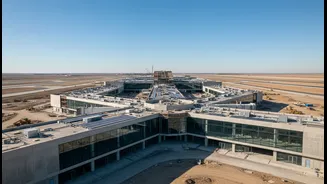
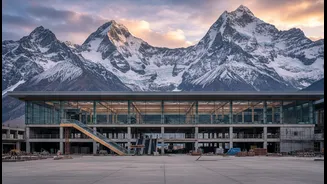
A state-of-the-art terminal building is rapidly taking shape at Leh's Kushok Bakula Rimpochee Airport, situated at a dizzying altitude of 10,682 feet. The project, which recently passed 83% completion, is a significant infrastructure upgrade for the strategically
vital region of Ladakh. With a revised completion target of July-August 2026, the new terminal aims to solve the long-standing issues of congestion and limited capacity that have challenged travellers, especially during peak tourist season. The existing terminal, built in 1985, has been struggling to handle the surge in visitors, which reached nearly 1.2 million passengers annually before the expansion. This new facility is engineered to be a game-changer, setting a new standard for high-altitude aviation.
Engineered for Capacity and Comfort
The new terminal is designed to handle a massive increase in passenger flow, with projections aiming for an annual capacity of up to 3.5 million people. This will be supported by the ability to manage up to 54 flights per day, a threefold increase from the current capacity of about 18. For passengers, this translates to tangible improvements. The new building will feature three aerobridges, a first for Leh, eliminating the need to walk on the tarmac in harsh weather. It will also house around 20 check-in counters, an inline baggage handling system, and multiple escalators and lifts to ensure a smooth, comfortable transit. This focus on efficiency is crucial at high altitudes, where minimising physical exertion and waiting times is key to passenger well-being.
A Landmark in Sustainable Design
Perhaps the most innovative aspect of the new terminal is its commitment to sustainability, making it a benchmark for green infrastructure in India. The building is set to be the nation's first airport powered by a hybrid of geothermal and solar energy. A large-scale geothermal system will provide centralized heating and cooling, a critical feature in a region where winter temperatures can plummet to -30 degrees Celsius. This system uses the stable temperature of groundwater to regulate the building's climate, drastically reducing reliance on conventional energy. Combined with a significant solar power installation, the terminal is designed to be a 4-star GRIHA-rated energy-efficient building, aligning with Ladakh's vision of becoming a carbon-neutral territory.
Reflecting Ladakhi Culture
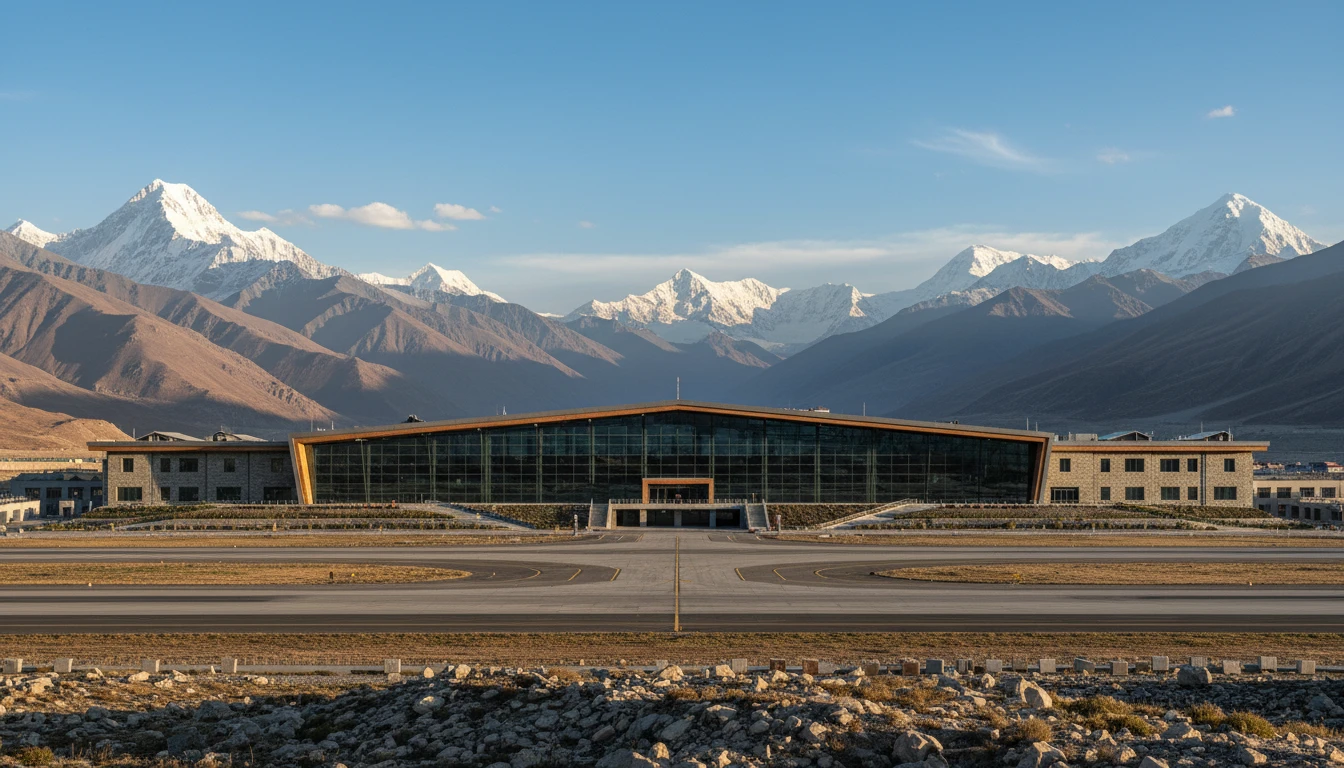
Beyond its technical specifications, the new terminal is designed to be a cultural gateway, offering visitors an authentic first impression of Ladakh. The architecture incorporates traditional Buddhist design philosophies, with elements like stupas and prayer wheels integrated into its modern structure. Officials have emphasised that the departure and arrival gates will be themed to reflect the region's rich heritage, ensuring the building blends with the local landscape and culture. This blend of modern functionality and traditional aesthetics aims to create a unique sense of place, making the airport more than just a transit hub.
Boosting Tourism and Regional Connectivity
The expansion of Leh's airport is a cornerstone of the central government's plan to boost connectivity and economic growth in the region. By tripling flight capacity, the new terminal will help alleviate travel bottlenecks, make travel to Ladakh more accessible year-round, and support the burgeoning tourism industry. The project, with a foundation stone laid by Prime Minister Narendra Modi in 2019, is seen as a catalyst for development. Improved air connectivity is not only crucial for tourism but also for military logistics and the daily lives of residents in a region that is cut off by road for several months of the year.