




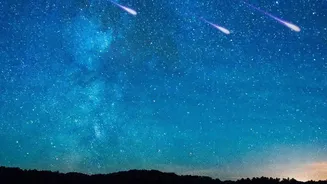

A Gift from Halley's Comet
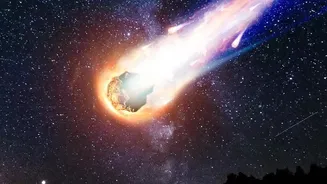
The Orionid meteor shower is an annual event caused when Earth passes through the stream of cosmic debris left behind by one of history's most famous comets: 1P/Halley, better known as Halley's Comet. While the comet itself only graces our skies once
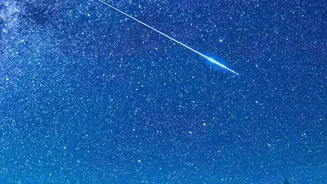
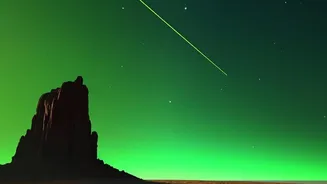
every 76 years—last seen in 1986 and not due back until 2061—its legacy continues. Each October, tiny particles shed by the comet on its journey through the solar system enter our atmosphere at tremendous speeds, about 66 kilometers per second. As they burn up, they create the fast, bright streaks we call meteors. NASA considers the Orionids one of the most beautiful showers of the year, known for their speed and the glowing "trains" they can leave behind for several seconds.
Peak Dates and Times for 2026
For 2026, the Orionid meteor shower will be active from early October through early November. However, the best time to watch will be during its peak, on the night of October 21 and into the early morning hours of October 22. Under ideal, dark-sky conditions, NASA and other astronomical sources estimate viewers could see between 15 and 25 meteors per hour during the peak. While this rate can vary, the Orionids have been known to produce more intense displays in some years, so it's always worth taking a look. The key to success will be timing your viewing session for the darkest part of the night.
NASA's View on Conditions
The primary challenge for viewing the 2026 Orionids will be the Moon. The shower's peak coincides with a bright, waxing gibbous Moon, which will be about 78% illuminated. This moonlight will wash out many of the fainter meteors for much of the night. However, there is a window of opportunity. On the peak mornings of October 21-22, the Moon will set at approximately 3 a.m. local time. This creates a period of dark skies between moonset and the start of dawn. Therefore, NASA's advice and expert consensus is clear: the best time to watch the 2026 Orionids will be in the pre-dawn hours, after the Moon has dipped below the horizon.
Where to Look and How to Watch
The meteors are named Orionids because they appear to radiate from a point in the constellation Orion. You can use the bright stars of Orion the Hunter to find this general area in the sky, which rises in the east after midnight. However, you don't need to stare directly at the radiant. In fact, NASA suggests looking about 45 to 90 degrees away from it. Meteors seen further from this point will have longer, more dramatic trails across the sky. The most important factor is finding a dark location, far from the light pollution of cities and towns. Lie on a blanket or reclining chair to get a wide view of the sky. No special equipment is needed—your eyes are the best tool for this job.
Tips for a Successful Viewing
To maximize your chances of seeing meteors, give your eyes at least 20 to 30 minutes to fully adapt to the darkness, without looking at your phone. Dress in warm layers, as October nights can be chilly, especially in the early morning hours. Bringing a sleeping bag or a warm blanket will make the experience much more comfortable. While the shower is visible from both the Northern and Southern Hemispheres, your orientation can help. In the Northern Hemisphere, lie on your back with your feet facing southeast. In the Southern Hemisphere, face your feet toward the northeast. Be patient; meteor watching is a waiting game. The show lasts until dawn, offering plenty of time to catch a glimpse of these cosmic embers.