




Know Before You Go: Check Official Forecasts
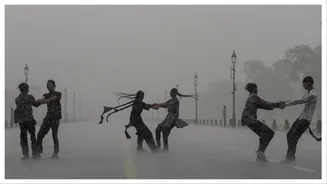
Spontaneous trips are wonderful, but monsoon travel rewards preparation. Before you even pack, make the India Meteorological Department (IMD) website your first stop. This week, the IMD has flagged heavy rainfall for states including Uttar Pradesh, Uttarakhand,
Bihar, and parts of the Northeast. Weather patterns can shift rapidly; what looks clear in the morning can become a torrential downpour by the afternoon. Download the IMD's 'Mausam' app for live radar and district-specific warnings. This is crucial for hill travel in places like Uttarakhand, where heavy rains can trigger landslides and flash floods with little notice. Planning your sightseeing for the morning and keeping afternoons for indoor activities is a smart strategy.
Air Travel: Expect Buffers and Brace for Delays
Monsoon is primetime for flight disruptions, especially at major hubs like Delhi and Mumbai. Heavy rain can lead to waterlogged runways, reducing the rate of takeoffs and landings for safety reasons. This week has already seen significant delays and diversions at Delhi's airport due to adverse weather. Airlines like IndiGo and Air India have issued advisories, urging passengers to check their flight status before heading to the airport. The single best tip is to book morning flights, as thunderstorms and cascading delays are more common in the afternoon. If you have a connecting flight, build in a buffer of at least three to four hours for domestic connections during this season. This gives you a cushion if your initial flight is delayed.
Train Journeys: Slower Speeds and Potential Rerouting
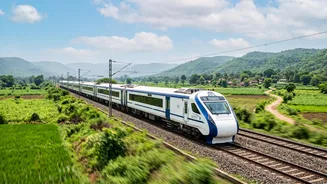
The railways are the backbone of Indian travel, but they are not immune to the monsoon's impact. Heavy rains can lead to waterlogged tracks, causing trains to run at slower speeds or be rerouted entirely. Landslide-prone sections, such as the ghat sections near Mumbai, can face temporary closures, impacting services between major cities like Mumbai and Pune. When booking a train journey this week, allow for extra travel time in your itinerary. Keep your devices charged and download an app like 'NTES' (National Train Enquiry System) to track your train's real-time status. It is also wise to pack some extra food and water, as delays can sometimes be lengthy.
On the Road: Safety is Paramount
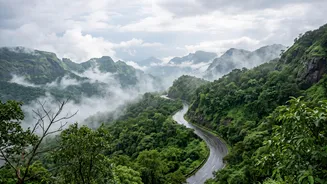
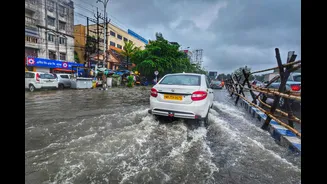
A monsoon road trip offers breathtaking views but comes with significant risks. Wet roads dramatically increase braking distances and the danger of skidding. The most important rule is to reduce your speed and double the safe following distance between you and the vehicle ahead. Never attempt to drive through a flooded street. The water might seem shallow, but it can easily hide deep potholes or open manholes, and even a few inches of flowing water can cause you to lose control of your vehicle. For visibility in heavy downpours, use your low-beam headlights, not high beams, which reflect off raindrops and worsen visibility for everyone. Before you start, ensure your tyres, brakes, and windscreen wipers are in excellent condition.
Pack Smart, Stay Healthy
Your packing list needs a monsoon-specific update. Prioritise quick-drying clothes over heavy cottons. A reliable raincoat and umbrella are non-negotiable. Footwear should have a good grip to prevent slipping on wet surfaces. Protect your electronics by carrying them in waterproof bags or using zip-lock pouches. Health-wise, the monsoon brings a higher risk of water-borne diseases and mosquito-borne illnesses like dengue. Stick to bottled or purified water and be cautious about street food, especially items that may have been washed with contaminated water. Carrying a basic first-aid kit with antiseptic, bandages, and mosquito repellent is always a sensible precaution.