






The Monsoon Effect on Air Travel
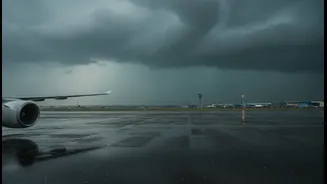
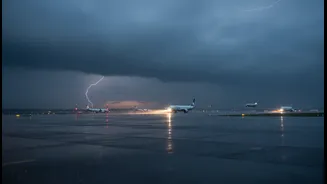
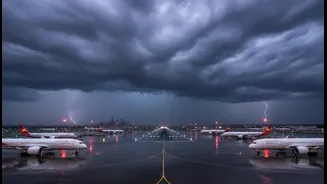
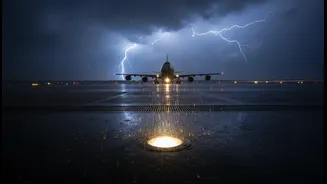
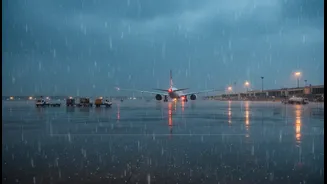
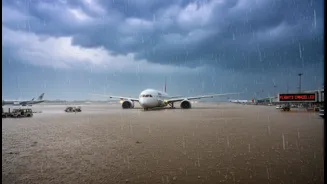
Heavy rain, gusty winds, and low visibility are a challenging combination for aviation. Recent days have seen significant disruptions at Delhi's Indira Gandhi International Airport, with numerous flights diverted to nearby cities like Jaipur and Lucknow
due to adverse weather. These conditions are not just an inconvenience; they are a matter of safety. Air Traffic Control (ATC) may restrict takeoffs and landings when visibility drops below a certain threshold or when crosswinds are too strong for safe operations. This can lead to a domino effect of delays and cancellations across the network.
Your First Line of Defence: Airline Advisories
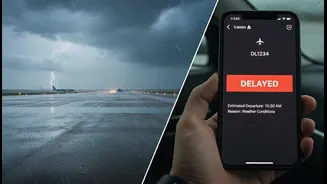
In response to weather disruptions, airlines like Air India, IndiGo, and SpiceJet regularly issue travel advisories. These are crucial real-time updates for passengers. An advisory will typically warn of potential disruptions due to bad weather and urge passengers to check their flight status before heading to the airport. They are disseminated through multiple channels to ensure wide reach and serve as the most reliable source of information directly from the carrier.
Where to Find Critical Updates
Airlines use a multi-channel approach to keep passengers informed. The primary sources to watch are the airline's official website and mobile app, which often feature a dedicated section for travel advisories and real-time flight status tracking. Social media, particularly X (formerly Twitter), is another key platform where airlines post instant updates. Additionally, passengers who have provided their contact details during booking will usually receive direct notifications via SMS and email. It's essential to have these notifications enabled and to check these sources frequently, especially on the day of travel.
Proactive Steps for a Smoother Journey
Beyond just monitoring advisories, there are several practical steps you can take. First, always leave extra time for your journey to the airport; monsoon rains often cause significant traffic congestion. Second, pack smart. Keep essentials like medications, a change of clothes, and a power bank in your cabin baggage in case of long delays or unexpected overnight stays. Third, booking a morning flight can be a strategic move, as adverse weather patterns often worsen in the afternoon and evening, leading to cascading delays. Finally, have your airline's app downloaded on your phone for quick access to your booking and flight status.
Know Your Rights During Disruptions
When a flight is delayed or cancelled due to weather, it is considered a 'force majeure' event. Under DGCA (Directorate General of Civil Aviation) rules, airlines are not required to pay monetary compensation for such disruptions. However, they are still obligated to provide assistance. Passengers are entitled to a choice between a full refund or re-routing on an alternative flight at no extra cost. For significant delays (typically over two hours), airlines must provide meals and refreshments. For overnight delays, they are required to offer hotel accommodation and transport between the airport and the hotel. Knowing these rights empowers you to ask for what you are owed during a disruption.