



What Are Hydrogen Trains?
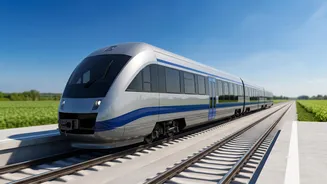
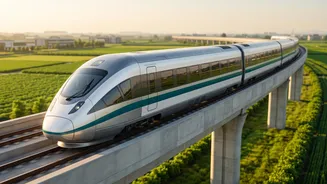
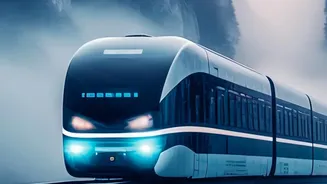
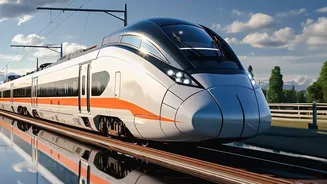
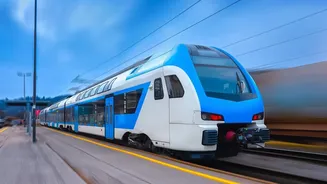
Imagine a train that runs on electricity but doesn't need overhead wires and emits only water vapor. That's the core promise of a hydrogen fuel cell train. Unlike diesel trains that burn fuel in an engine, or electric trains that draw power from a grid,
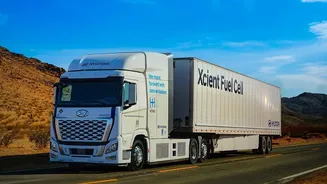
hydrogen trains create their own electricity on board. They are essentially electric vehicles that carry their own power plant. This is done through a fuel cell, a device that chemically combines stored hydrogen with oxygen from the air. The reaction produces electricity to power the motors, with heat and water as the only byproducts, making it a zero-emission process at the point of use.
The Zero-Emission Advantage
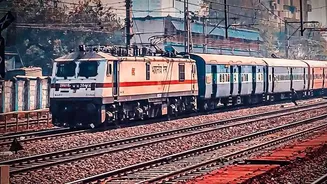
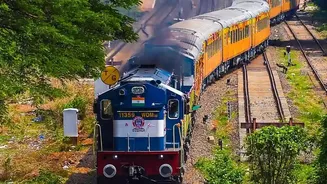
The primary benefit of hydrogen trains is the elimination of tailpipe emissions. A diesel locomotive releases carbon dioxide (CO2), nitrogen oxides (NOx), and particulate matter, all of which contribute to air pollution and climate change. By replacing diesel with a hydrogen fuel cell, these harmful emissions are cut to zero. This is a game-changer for non-electrified routes, which often run through scenic, heritage, or hilly areas where installing overhead electric lines is difficult or undesirable. While full electrification remains a key goal for Indian Railways, hydrogen offers a complementary solution to decarbonize these hard-to-electrify parts of the network and move closer to its 'Net Zero' emission goals.
India's Hydrogen Pilot Project
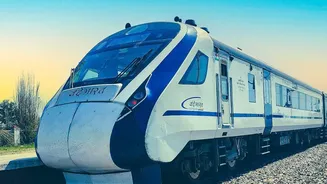
India took a significant step into this new era with the launch of its first hydrogen-powered train in July 2026. The pilot project, running on the 89-km Jind-Sonipat section in Haryana, serves as a real-world test for this next-generation technology. The train is a retrofitted Diesel Electric Multiple Unit (DEMU), showcasing how existing rolling stock can be repurposed for a cleaner future. Indian companies like Medha Servo Drives have been instrumental in integrating the propulsion system, while a dedicated hydrogen production and refueling facility has been set up in Jind to support daily operations. This initiative, part of the broader 'Hydrogen for Heritage' plan, aims to eventually run 35 such trains on various heritage routes across the country.
The Roadblocks and Challenges Ahead
Despite its promise, the path to a hydrogen-powered railway network is not without obstacles. The initial costs are substantial, with high expenses for both retrofitting trains and building ground infrastructure like refueling stations. Another major challenge is the production of hydrogen itself. For the climate benefits to be fully realized, the hydrogen must be 'green'—produced using renewable energy like solar or wind. Scaling up green hydrogen production to meet the demands of a vast railway network is a significant industrial challenge. Furthermore, the technology is still new to Indian operating conditions, and ensuring safety, reliability, and operational efficiency under diverse climates and heavy passenger loads requires extensive testing and refinement. Early operations on the Jind-Sonipat route have seen low passenger numbers, prompting officials to explore route extensions to improve utilization.