

Why Keep a Stargazing Log?
An astronomy log is more than just a notebook; it’s a scientific diary and a personal memoir rolled into one. By recording what you see, you begin to notice more detail. It helps you track your progress as an observer, compare observations from different
nights, and understand how sky conditions affect what’s visible. Over time, this log becomes a treasured chronicle of your adventures under the stars, full of memories of spectacular sights and quiet nights of discovery. It’s one of the best decisions an amateur astronomer can make to deepen their connection with the cosmos.
Your Essential Stargazing Toolkit
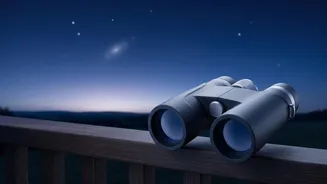
You don’t need a professional observatory to start. A simple setup will take you far. First, you'll need something to write on, like a three-ring binder with lined and unlined paper or a dedicated logbook. For viewing, a good pair of binoculars (like 10x50s) is fantastic for both the Andromeda Galaxy and seeing Jupiter's largest moons as tiny points of light. A small telescope will, of course, reveal more detail. A red-light torch is crucial, as white light ruins your night vision. Finally, have pens or pencils ready to capture your notes and sketches.
The Anatomy of a Log Entry
Consistency is key to a useful log. Every entry, whether for a planet or a galaxy, should start with the same basic information. Record the full date and the start and end times of your observation. Note your observing location, as a dark country sky is vastly different from a city park. Document the equipment you used, including the telescope or binocular type and any specific eyepieces. Most importantly, describe the sky conditions. This includes cloud cover, moonlight, and two critical measures: ‘seeing’ (the stability of the atmosphere) and ‘transparency’ (how clear the air is).
Logging Jupiter's Galilean Moons
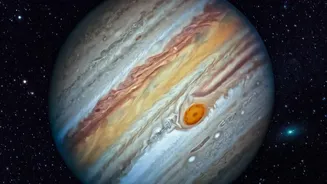
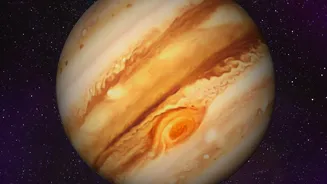
Jupiter is a brilliant, unblinking point of light, making it easy to find. Through binoculars or a telescope, you’ll see it accompanied by up to four star-like dots in a nearly straight line. These are the Galilean moons: Io, Europa, Ganymede, and Callisto. The real magic is that their positions change nightly, and sometimes even hourly. For your log, start with your basic entry data. Then, make a simple sketch. Draw Jupiter as a circle and mark the positions of the moons you can see. Note their brightness and how far they are from the planet. If you observe for an hour, you might even detect their movement. Note which moons are visible; sometimes one might be hidden in front of or behind the planet.
Finding and Describing Andromeda
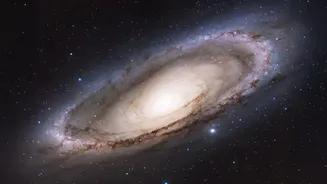
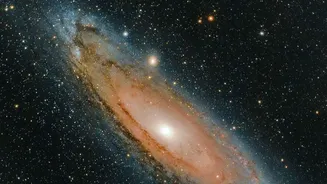
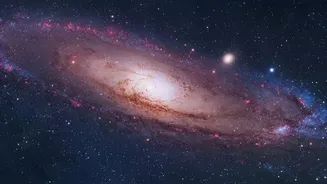
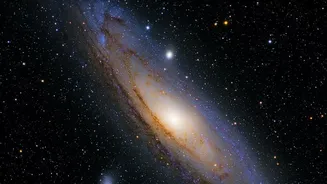
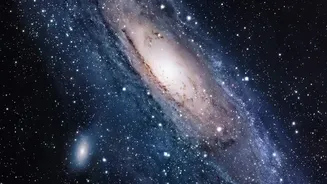
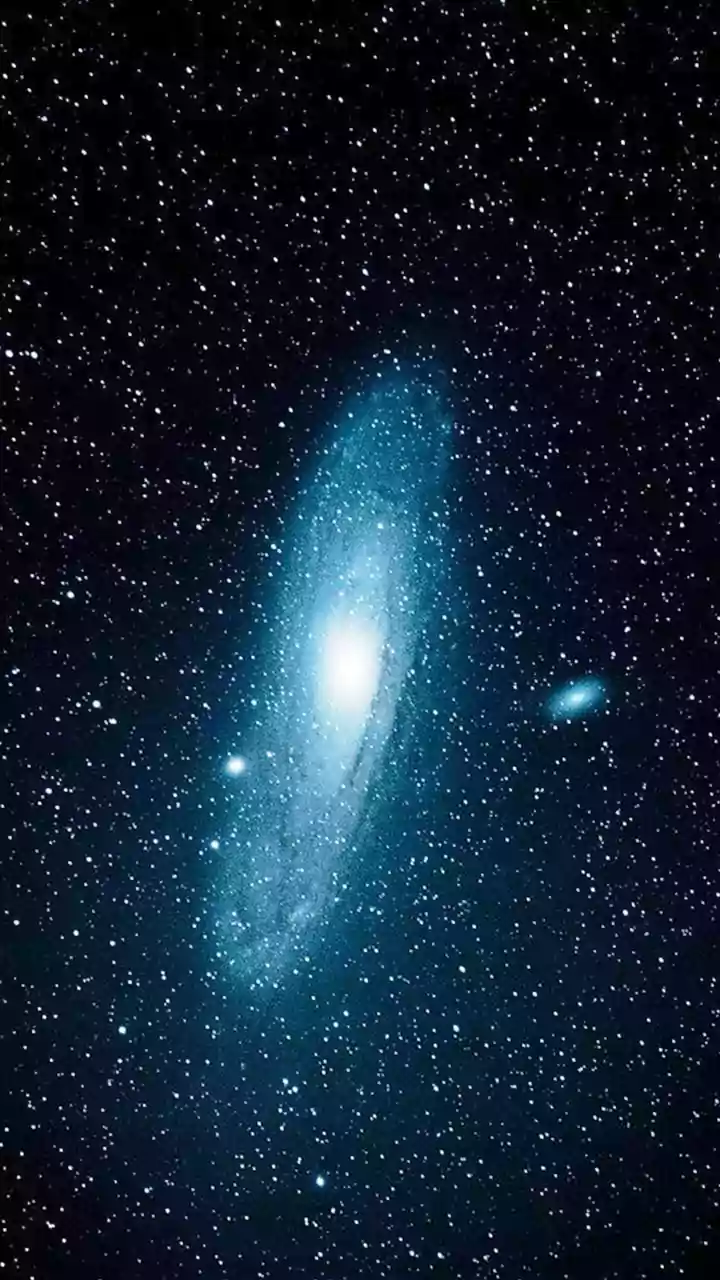
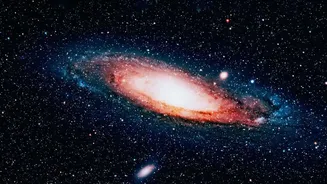
The Andromeda Galaxy (M31) is the most distant object visible to the naked eye, but finding it requires a dark sky. A great way to locate it is by using the constellation Cassiopeia, which forms a distinctive 'W' shape. The right half of the 'W' acts as an arrowhead pointing toward the galaxy. In binoculars, Andromeda appears as a faint, oval-shaped smudge or a small puff of smoke. When logging your observation, describe its appearance. Can you see a brighter core? How elongated does it look? Note whether you used averted vision—looking slightly to the side of the object—to see it more clearly. With patience, you might even glimpse its smaller companion galaxy, M32, which looks like a fuzzy star nearby.
Putting It All Together: A Sample Entry
Here’s how a simple entry for Jupiter might look:Date: September 25, 2026Time: 10:45 PM - 11:15 PMLocation: Hilltop Park, away from city lightsEquipment: 8-inch Dobsonian telescope, 25mm eyepieceSky Conditions: Clear, no moon. Seeing: 4/5 (very steady). Transparency: 3/5 (a little haze).Object: JupiterDescription: Planet showed two clear, dark equatorial belts. Four moons visible. Three were on the west side, one on the east. The innermost western moon appeared significantly brighter than the others. Made a sketch of their positions. The view was incredibly sharp and steady tonight.