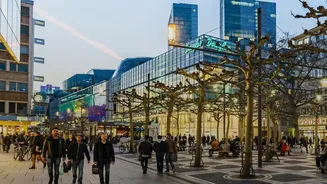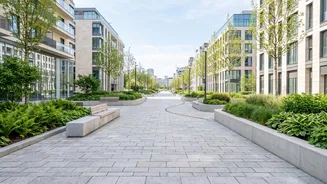






For decades, the sound of the city was the sound of traffic. But a growing movement is reclaiming urban cores for people, not cars. Around the world, cities are restricting traffic to create pedestrian-friendly havens. Here's why.
A Shift in Urban Thinking
For much of the 20th
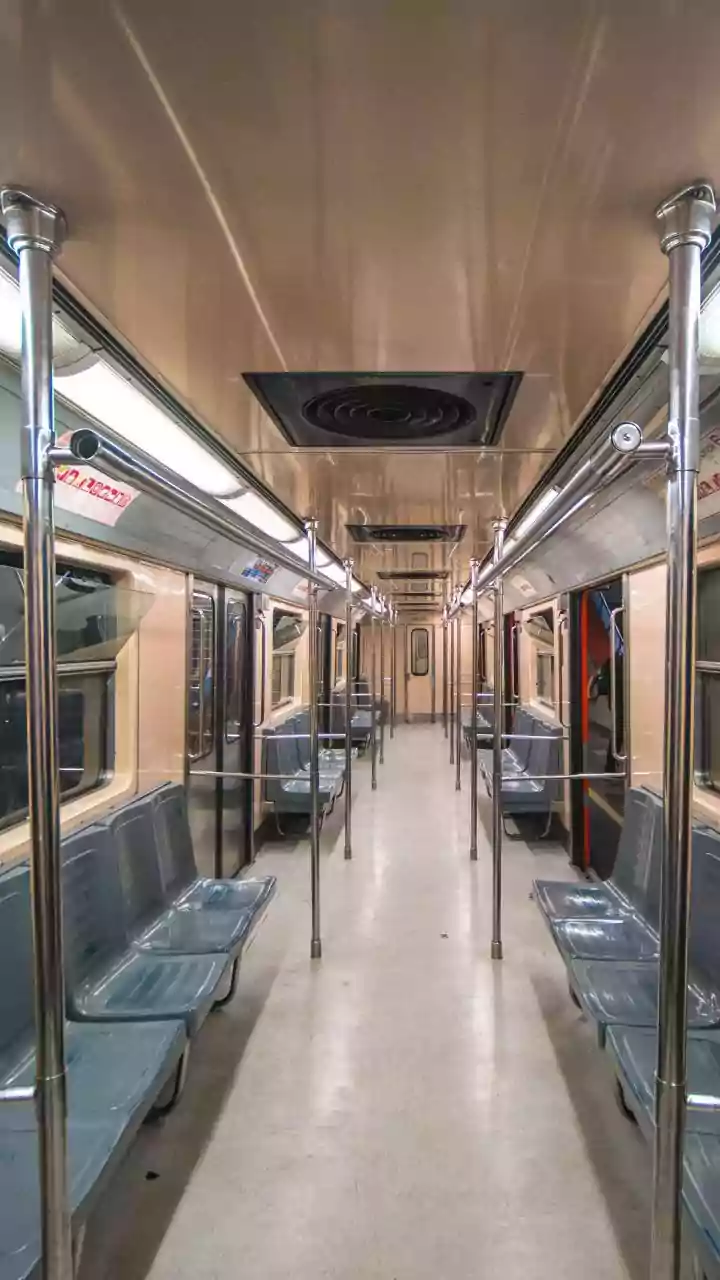
century, urban planning revolved around a single goal: moving cars as efficiently as possible. This led to wide roads, sprawling car parks, and city centres often choked with congestion and noise. Today, a paradigm shift is underway. Planners and city leaders are recognising that the health of a city isn't measured in traffic flow, but in the quality of life for its residents. The focus is moving from car-centric design to human-centric design, which prioritises walkers, cyclists, and public transit users. This approach aims to tackle air pollution, improve public health by encouraging physical activity, and create more vibrant public spaces where communities can connect.
Pioneers of Pedestrianisation
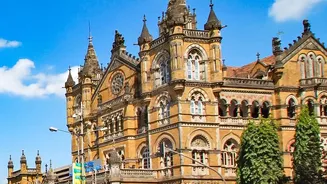
The Spanish city of Pontevedra is a prime example of this philosophy in action. In 1999, it began a radical transformation, pedestrianising its entire 300,000-square-metre medieval centre. Daily car traffic plummeted from 80,000 to just 7,000. The results have been stunning: CO2 emissions fell by over 70%, and there has not been a single traffic-related fatality in the city centre since 2011. Inspired by such successes, other major cities are following suit. Paris, under Mayor Anne Hidalgo, has aggressively pursued a '15-minute city' concept, where daily needs are accessible by a short walk or bike ride. The city has removed tens of thousands of parking spaces, added hundreds of kilometres of bike lanes, and pedestrianised iconic areas like the banks of the Seine and the Rue de Rivoli.
The Economic Case for Fewer Cars
A common fear among business owners is that restricting car access will kill commerce. The evidence, however, often points in the opposite direction. Pedestrian-friendly streets can transform shopping from a quick, goal-oriented task into a more leisurely experience, encouraging people to linger, explore, and spend more. Studies have shown that while drivers might spend more per trip, pedestrians and cyclists visit more frequently, contributing more to the local economy over time. In New York, redesigning a parking lot in Brooklyn into a pedestrian plaza led to a 172% boost in retail sales for nearby businesses. In Spain, multiple studies found that shops in pedestrianised areas consistently report higher sales volumes than those on streets open to traffic.
Navigating the Challenges
Despite the clear benefits, transitioning to a car free or car lite model is not without its hurdles. These projects often face significant opposition from residents and business owners concerned about access and convenience. The legacy of car centric infrastructure means that simply banning vehicles is not enough; it requires a holistic approach. Success depends on simultaneously investing in reliable, accessible, and affordable public transportation. Cities must also address concerns about accessibility for people with disabilities and ensure that delivery and emergency services can still function effectively. Careful planning and phasing, as seen in Jersey City's gradual expansion of its pedestrian plaza, can help mitigate these issues and build public support over time.