





The Case for a Consistent Diet
A pet's digestive system is a finely tuned machine. Their gut contains a specific balance of bacteria and enzymes developed to process their regular food. A consistent, high-quality diet helps maintain this delicate internal ecosystem, leading to better
nutrient absorption, stable energy levels, and overall well-being. A predictable menu means predictable digestion, resulting in regular, firm stools—a key indicator of good health. This stability allows you to more easily notice when something is wrong. If your pet’s only variable is their consistent meal, any sudden changes like lethargy, skin issues, or digestive upset can be more quickly identified as a potential health problem rather than a reaction to a new food.
Risks of a Revolving Menu
Switching your pet’s food too frequently or abruptly can disrupt their digestive balance. This sudden change can overwhelm their system, which hasn't had time to adapt to the new ingredients and nutrient composition. The most common consequence is gastrointestinal upset, which can manifest as diarrhea, vomiting, excessive gas, or a loss of appetite. Beyond immediate discomfort, frequent changes can also create picky eaters or lead to food aversions, especially in cats, who may associate the new food with feeling unwell. Furthermore, a constantly changing diet can make it incredibly difficult to pinpoint the cause of an underlying health issue, such as a food allergy or sensitivity, as you can never be sure which ingredient is the culprit.
When Is It Right to Make a Change?
While consistency is key, there are several valid reasons to switch your pet's food. The most important changes should be guided by a veterinarian. These include life stage transitions, such as moving from a calorie-dense puppy or kitten formula to an adult maintenance diet, or later to a senior food that supports aging joints and a slower metabolism. A specific health diagnosis often requires a new diet; conditions like kidney disease, diabetes, urinary issues, or food allergies may necessitate a therapeutic prescription food. Weight management is another common reason, whether it’s to help an overweight pet slim down with a lower-calorie, high-fibre food or to help an underweight pet gain healthy mass. Finally, a food recall or your pet’s outright refusal to eat their current food are also urgent reasons for a switch.
How to Transition Food Safely
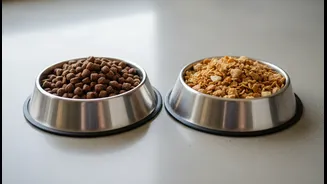
When a food change is necessary, the key is to do it gradually. An abrupt switch is what typically causes problems. Veterinarians recommend a transition period of at least seven to ten days for dogs, while cats may require even longer. The process involves slowly mixing the new food with the old food. Start with a ratio of 75% old food to 25% new food for a couple of days. If your pet tolerates this well, move to a 50/50 mix for another two days. Then, shift to 75% new food and 25% old food. By the end of the transition period, you can be feeding 100% of the new diet. Throughout this process, monitor your pet closely for any signs of digestive distress like soft stools or vomiting. If you notice any negative signs, slow down the transition, giving their system more time to adjust.