

The New Digital Silk Road
In the sprawling, majestic squares of Samarkand, a new kind of explorer is making their presence felt. They are young, digitally savvy, and predominantly from Indian metros like Delhi, Mumbai, and Bengaluru. Recent reports on travel trends show a significant
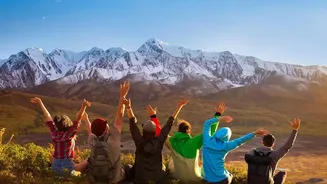
shift, with Gen Z and Millennial travellers from India increasingly looking beyond traditional destinations like Thailand and Europe. They are seeking unique experiences in emerging hotspots across Central Asia, and Uzbekistan is high on their list. Armed with smartphones for navigation and e-visas on their emails, they are trading crowded European capitals for the epic, less-trodden landscapes of the ancient Silk Road. This isn't just a holiday; it's a cultural pilgrimage fueled by curiosity and the desire for a story that hasn’t been told a thousand times on social media.
Why Samarkand, and Why Now?
The sudden surge in interest isn’t an accident. It’s the result of a perfect storm of accessibility and affordability. For years, Central Asia felt distant, locked behind complex visa procedures. That has changed dramatically. The introduction of a streamlined online e-visa system for Indian citizens has been a game-changer, making trip planning incredibly straightforward. Simultaneously, while not always direct, flights to Uzbekistan from major Indian hubs have become more competitive, often priced significantly lower than a ticket to Western Europe. Travel agencies report a spike in inquiries about Uzbekistan from a younger demographic that is cost-conscious but hungry for authentic cultural immersion. The country is no longer a niche for history buffs; it has officially entered the mainstream for adventurous young Indians.
A History That Feels Like Home
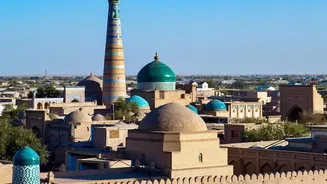
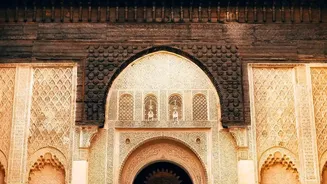
What truly sets Samarkand apart for an Indian traveller is the profound sense of historical connection. The architectural DNA of Mughal India—the grand domes, intricate tilework, and monumental arches seen in Delhi, Agra, and Fatehpur Sikri—traces its origins directly back to this region. Babur, the founder of the Mughal Empire, was born in the Fergana Valley in present-day Uzbekistan. Standing in the middle of the Registan, a breathtaking public square flanked by three massive, mosaic-covered madrasas, feels less like visiting a foreign country and more like discovering the source code of your own history. Exploring the Shah-i-Zinda necropolis, a street of stunning mausoleums adorned in brilliant blue tiles, or the immense Bibi-Khanym Mosque is not just sightseeing; it's walking through the artistic and cultural heritage that shaped a huge part of the Indian subcontinent.
Your Rupee Goes a Long Way
Perhaps the most compelling factor for any young backpacker is the budget. Uzbekistan is one of those rare destinations where you feel like you are getting incredible value for your money. Daily travel costs can be astonishingly low. Highly-rated hostel beds can be found for under ₹1,500 a night, a delicious and filling meal of plov or samsa at a local teahouse might only set you back a few hundred rupees, and even the entrance fees to its world-famous monuments are incredibly reasonable. A mid-range daily budget of around $70, or roughly ₹5,800, can cover a comfortable private room in a guesthouse, meals, and sightseeing—a fraction of what a similar day in a major European city would cost. This affordability allows travellers to stay longer, experience more, and immerse themselves fully without the constant anxiety of overspending.
Beyond the Blue-Tiled Monuments
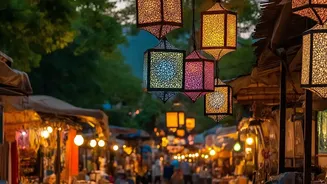
While the monumental architecture is the main draw, the real magic of Samarkand lies in the life that hums just beyond the ticket booths. Step away from the pristine Registan and you will find yourself in bustling bazaars where vendors sell spices, nuts, and the famous sweet Samarkand bread. You will see kids playing football in the shadow of Soviet-era apartment blocks and be invited into courtyards by friendly locals for a cup of green tea. The city is a captivating blend of the ancient and the everyday. It’s this contrast—the imperial, postcard-perfect monuments wrapped in a warm, lived-in city—that provides the richest experience. It is a place where you can spend the morning in awe of Timurid grandeur and the afternoon simply getting lost in a maze of quiet, dusty lanes, feeling the genuine hospitality of its people.