



The Real Royal Connection
The association between Ayurveda and royalty isn't just a marketing gimmick; it's rooted in history. For centuries, the beauty routines of India's royal women were sophisticated rituals designed for holistic wellness, not just cosmetic effect. In the arid
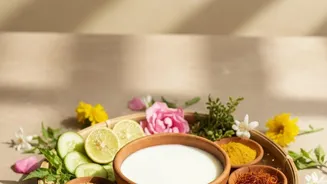
climates of Rajputana, queens used saffron-infused milk and cooling sandalwood paste to hydrate and soothe their skin. In the tropical South, the queens of Travancore relied on coconut oil for sun protection and nourishing Kumkumadi Thailam, an intricate herbal oil, to maintain a youthful glow. These weren't just products, but elaborate practices documented by court hakims and physicians, focusing on balancing the body with its environment using potent local botanicals.
Myth: 'Ayurvedic' on the Label Guarantees Purity
The term 'Ayurvedic' is not always a regulated promise of authenticity. With the wellness market booming, many brands use the word for its appeal without adhering to traditional principles. A truly Ayurvedic product is based on classical formulations from texts like the Charaka Samhita, not just a random blend of herbs. Authentic brands are transparent, listing full botanical and Sanskrit names of ingredients instead of hiding behind vague terms like 'herbal extracts' or 'proprietary blends'. Furthermore, they don't promise instant miracles; Ayurveda is about gradual, long-term balance, so be wary of claims of overnight transformations. Lasting results come from consistency, not a quick fix.
Understanding Your Dosha, Understanding Your Skin
A core principle of Ayurvedic skincare is understanding your unique constitution, or dosha. The three doshas—Vata (air), Pitta (fire), and Kapha (earth)—correspond to different skin tendencies. Vata skin is typically dry, thin, and prone to fine lines. Pitta skin tends to be sensitive, oily in the t-zone, and susceptible to redness and inflammation. Kapha skin is often oily, congested, and prone to enlarged pores. The goal isn't to rigidly label your skin, but to observe its patterns. Your skin's needs can change with stress, season, and age. An Ayurvedic approach aims to bring your skin back into balance using ingredients and rituals suited to its current state.
The Apothecary: Key Royal Ingredients
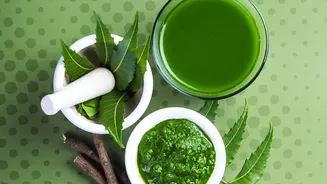
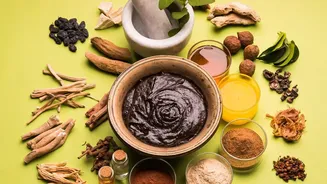
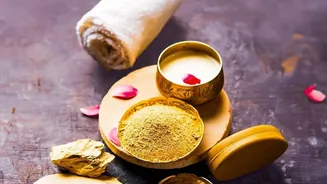
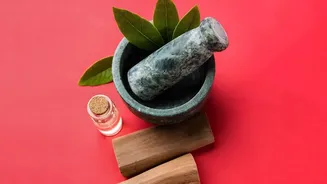
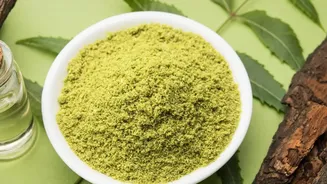
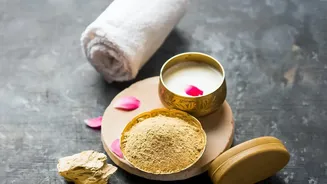
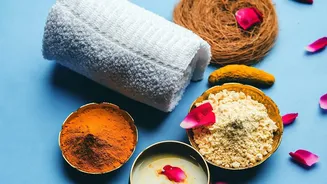
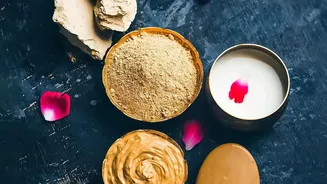
Many ingredients celebrated in modern skincare have been staples in royal Indian beauty for centuries. Saffron (Kesar), known as 'red gold', was used to brighten the complexion and enhance radiance. Sandalwood (Chandan) was prized for its cooling properties, soothing inflammation and calming sun-stressed skin. Turmeric (Haldi) was, and still is, a go-to for its anti-inflammatory and purifying benefits, used in 'ubtan' pastes before ceremonies for a natural glow. Rosewater, famously loved by Empress Nur Jahan, was used as a natural toner to cool and refresh the skin. These ingredients were valued for their synergy and holistic effect on skin health.
How to Be a Smart Ayurvedic Shopper
Navigating the shelves requires a discerning eye. First, check for certifications. In India, look for an AYUSH license number and a GMP (Good Manufacturing Practices) certification on the packaging. The AYUSH Premium or Standard Mark is another indicator of quality control. Scrutinise the ingredient list. Is it complete and transparent? An authentic product will often mention the classical formulation it is based on. Finally, remember that true Ayurveda is a lifestyle. It's about 'dinacharya' (daily ritual), diet, and balance. A single cream is only one part of a much larger, more meaningful wellness philosophy. The most authentic approach combines mindful product choices with a holistic view of your health.