

Why The Sudden Buzz About Protein?
The conversation around protein has moved from niche gym circles to the mainstream Indian dining table. This 'new push' is driven by a growing awareness of health and wellness, amplified by social media and a rising number of fitness centres. Studies
revealing that a significant portion of the Indian population may have a protein-deficient diet, despite being well-fed, have also brought the issue to the forefront. As a result, consumers are paying more attention to nutrition labels, and food companies are responding by launching protein-fortified versions of everyday staples like atta, snacks, and beverages.
The Protein Gap in the Indian Diet
Traditional Indian meals, while delicious and diverse, are often built around carbohydrates like rice and roti. While dals, legumes, and dairy are part of the diet, their proportions are frequently insufficient to meet daily protein needs. Surveys have indicated that a large percentage of Indians consume less protein than recommended. One study from 2017 suggested that 73% of Indians are deficient in protein, and over 90% are unaware of their daily protein requirements. This happens because meals can be filling in terms of calories, but may lack the necessary amount of this crucial macronutrient, leading to what some call a 'protein paradox'.
More Than Just for Muscles
Protein's reputation is often tied to bodybuilding, but its role in our health is far more extensive. It's a fundamental building block for almost everything in the body. Proteins are essential for repairing tissues, building strong bones, and maintaining healthy hair and skin. They are also crucial for a robust immune system, as the antibodies that fight off infections are made of protein. Furthermore, protein plays a key role in creating hormones and enzymes that regulate metabolism and mood, and it helps you feel full for longer, which can prevent unhealthy snacking.
So, How Much Do You Really Need?
The Indian Council of Medical Research (ICMR) provides clear guidelines. For a healthy but sedentary adult, the recommended dietary allowance (RDA) is 0.83 grams of protein per kilogram of body weight per day. This means a person weighing 60 kg would need approximately 50 grams of protein daily. This requirement can be higher for those who are physically active, pregnant, or elderly. For instance, active adults may need between 1.2 to 2.0 grams per kg of body weight. It's important to note that these recommendations are tailored for Indian dietary patterns, which rely heavily on plant-based proteins that can have lower digestibility than animal proteins.
Powering Up with Plant-Based Foods
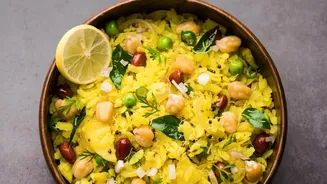
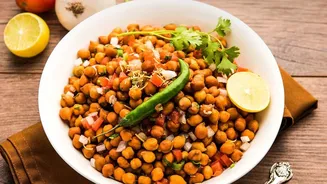
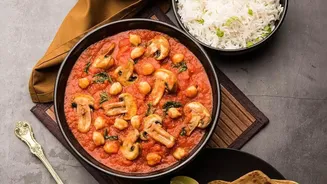
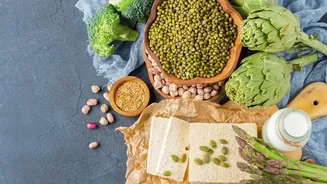
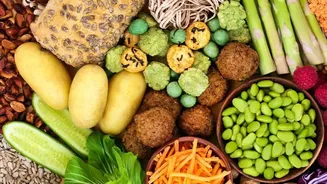
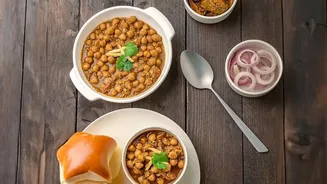
For vegetarians, the Indian kitchen is already full of excellent protein sources. Lentils (dal), chickpeas (chana), and kidney beans (rajma) are staples for a reason. Dairy products like paneer, curd (yogurt), and milk are also high-quality protein providers. Soya products, including tofu and soya chunks, are among the few plant foods that are considered 'complete' proteins. Don't overlook nuts and seeds like almonds, walnuts, and pumpkin seeds, which offer a solid protein boost. Even certain grains like quinoa and buckwheat (kuttu) can contribute to your daily intake.
The Smart Art of Food Pairing
A key concept in vegetarian nutrition is 'protein complementation'. Most plant-based foods are 'incomplete' proteins, meaning they lack one or more of the nine essential amino acids our bodies can't produce. For example, grains like rice and wheat are low in the amino acid lysine, while dals and legumes are low in methionine. Our ancestors intuitively solved this by combining them. Eating dal with rice, or rajma with chawal, or even roti with dal, ensures you get all nine essential amino acids in one meal, creating a complete protein profile. This is why these classic combinations are not just comfort food—they're a nutritionally smart strategy.
Lean and Mean Non-Vegetarian Options
For those who eat non-vegetarian food, meeting protein goals is often more straightforward. Eggs are a fantastic and affordable source of high-quality complete protein. Lean meats like chicken breast are a popular choice for their high protein content. Fish and other seafood are also excellent options, providing protein along with healthy fats. Even traditional dishes like butter chicken or mutton curry contribute significantly to protein intake, though it's wise to be mindful of the preparation method and fat content. Integrating these into a balanced diet can easily help bridge any protein gap.