



Embrace the Art of Layering
The single most effective strategy for multi-climate travel is not to pack for each weather type, but to pack versatile layers. Instead of a bulky woollen sweater for the cold and light cottons for the heat, think in terms of a system. A thermal base
layer, a few quick-drying t-shirts, a fleece or merino wool mid-layer, and a waterproof, windproof outer shell can be combined to handle everything from a chilly evening to a windy summit. This approach allows you to adapt on the fly. Each piece is lightweight and serves a purpose across different temperatures, making it far more efficient than packing single-use, climate-specific garments. Think of your clothing as a toolkit, not just individual outfits.
Choose Your Multi-Purpose Heroes
Every item in your bag must earn its place, and the best way to do that is by choosing pieces that perform multiple jobs. A large, high-quality pashmina or scarf can serve as a wrap on a cool flight, a beach cover-up, a modesty scarf for religious sites, or an accessory to dress up an evening outfit. Convertible trekking pants that zip off into shorts give you options for both hiking and city walking. Even your footwear should be versatile; a pair of stylish, comfortable walking shoes can work for a day of sightseeing and a casual dinner, eliminating the need to pack multiple pairs. The goal is to reduce redundancy by packing items that adapt to your needs.
Master the Roll and Cube Method
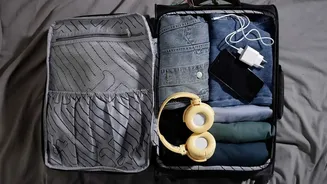
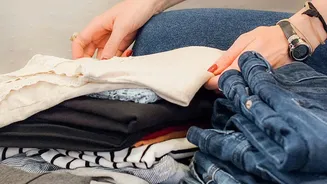
How you pack is as important as what you pack. Tightly rolling clothes, especially those made from synthetic fabrics or blends, can save a significant amount of space compared to folding. It also helps in reducing deep-set wrinkles. To take this a step further, invest in a set of packing cubes. These fabric organisers are revolutionary for carry-on travel. They not only keep your bag tidy by separating tops, bottoms, and undergarments, but they also compress your rolled clothes, squeezing out excess air and freeing up precious volume. You can pull out one cube without disturbing the rest of your luggage, making it easy to find what you need.
Start with a Lightweight Bag
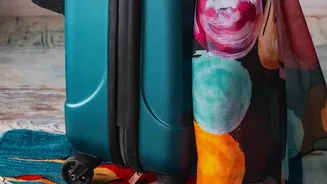
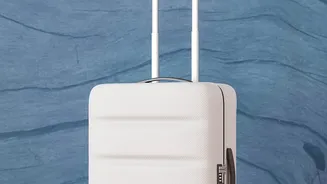
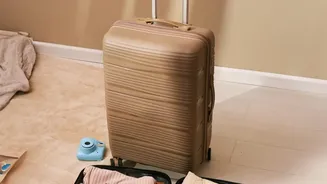
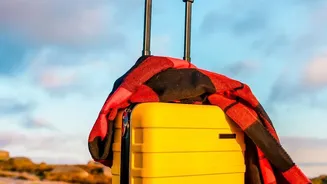
The seven-kilo limit includes the weight of the bag itself. A heavy, structured trolley bag can eat up to three kilograms of your allowance before you've even packed a single sock. To maximize your capacity, start with the lightest possible luggage. Modern backpacks designed for travel or soft-shell trolley bags made from materials like polypropylene are often significantly lighter than their hardside polycarbonate counterparts. Choosing a bag that weighs around two kilograms or less can give you an extra kilo for your belongings—a massive advantage when every gram counts.
Wear Your Heaviest Items
This is one of the oldest and most effective packing tricks. Your bulkiest items should never be in your bag; they should be on your person during travel. This includes your hiking boots or sneakers, your heaviest pair of trousers (like jeans), and your main jacket. While it might feel a little cumbersome on the way to the airport, it frees up an enormous amount of space and weight in your carry-on. You can always take the jacket off once you're on the plane. This simple act alone can be the difference between meeting the weight limit and facing extra charges at the gate.
Go Solid and Small with Toiletries
Liquids are heavy and subject to security restrictions. Radically cut down on weight by switching to solid toiletries. Shampoo bars, conditioner bars, solid perfume, and toothpaste tablets are all lightweight, leak-proof alternatives to their liquid counterparts. For any liquids you must bring, like sunscreen or specific skincare, decant them into travel-sized (under 100ml) reusable bottles. Avoid packing full-sized products at all costs and remember that many essentials can often be purchased at your destination if you run out.