







From Ancient Ritual to Urban Trend
Matcha is more than just powdered green tea; it's a centuries-old Japanese tradition that involves consuming the entire tea leaf, ground into a fine powder. Unlike regular green tea where leaves are steeped and discarded, with matcha you ingest all the nutrients,
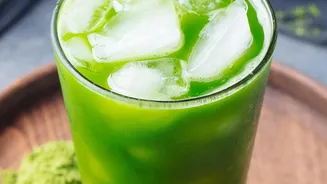
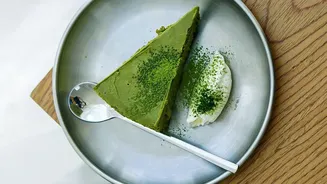
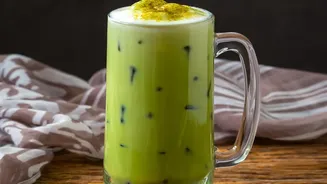
resulting in a higher concentration of antioxidants. This process gives matcha its characteristic vibrant green colour and a complex, umami flavour profile that sets it apart. The traditional preparation is a mindful ceremony, but Bengaluru’s new wave of cafés are making it accessible, serving it in forms from pure, ceremonial-grade teas to inventive lattes and even desserts. This blend of tradition and modernity is proving irresistible to the city's urbanites.
The New Fuel for the Silicon Valley of India
Bengaluru leads India's matcha scene, a trend largely attributed to its large tech workforce and a high concentration of health-conscious young professionals. For many, matcha offers a welcome alternative to coffee. It contains L-theanine, an amino acid that works with caffeine to provide a state of 'calm alertness'—sustained energy without the jitters or the subsequent crash often associated with coffee. In a high-pressure city, this balanced energy boost is a significant draw. One enthusiast, who switched from coffee to reduce anxiety, noted that matcha's lower caffeine and calming properties were a game-changer. This search for wellness, combined with the visual appeal of a photogenic green latte, has made matcha the drink of choice for a demographic navigating demanding careers.
Crafting the 'Third Place'
The new matcha-focused cafés are about more than just the drink; they are about creating an experience. Establishments like Purpose Matcha + Coffee House, located in a 130-year-old colonial building, and the minimalist Ela Matcha are designed as 'third places'—calm, intentional spaces for people to gather outside of home and work. Ananya Rao, founder of Purpose, was inspired by New York's café culture, aiming to create a space people return to for a slower, more considered experience. Similarly, places like Kaori by Chiran and TEKA, some run by Japanese natives, focus on authentic preparation and a serene atmosphere, holding workshops and tea ceremonies. These cafés, with their muted green palettes, natural light, and quiet corners, offer a retreat from the city's relentless pace.
A Business Built on Aesthetics and Authenticity
The rise of matcha is inextricably linked to social media. The visual appeal of a layered matcha latte is undeniable, making it a staple on Instagram feeds and driving curiosity. This digital footprint has been crucial for the growth of cafés like Sakura Matcha Bar, which started with pop-ups and is now considered a pioneer of the city's matcha revolution. But beyond aesthetics, a focus on quality is key. Many successful cafés source their matcha directly from renowned regions in Japan like Uji and Shizuoka, educating customers on the different grades—from ceremonial to culinary. This commitment to authenticity helps justify a premium price point, with lattes typically costing between ₹250 and ₹450, a range acceptable to their target audience. Entrepreneurs are tapping into a niche that values both substance and style.