
What Exactly Is Nordic Walking?
Imagine going for a brisk walk, but with an extra boost. That's Nordic walking in a nutshell. It's a total-body version of walking that uses specially designed poles, similar to ski poles, to work your upper body as well as your legs. Originating in Finland
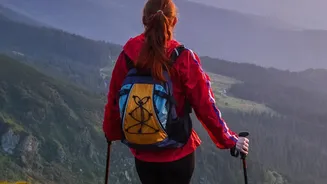
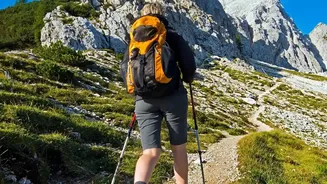
as a way for cross-country skiers to train during the off-season, the activity has since become a popular fitness exercise worldwide. Unlike hiking, where poles are often used for stability, Nordic walking involves actively using the poles to propel yourself forward with each step. This simple addition transforms a regular stroll into a comprehensive workout that engages up to 90% of your body's muscles.
The Revival of Gentle Fitness
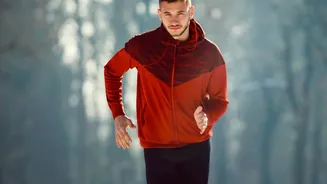
In a world often dominated by high-intensity interval training (HIIT) and punishing gym sessions, the appeal of a slower, more mindful approach is growing. Nordic walking fits perfectly into this wellness shift. It's an accessible activity for people of all ages and fitness levels, from beginners to seasoned athletes. Its low-impact nature makes it an excellent choice for those with joint concerns or those recovering from injury who find running too jarring. The impact force on your joints is significantly lower than in running, making it a sustainable choice for long-term health. This focus on practicality and joint preservation is a major reason why younger generations are now embracing an activity once popular mainly with older adults.
The Full-Body Benefits
The magic of Nordic walking lies in how it turns a simple walk into a powerhouse of health benefits. By engaging your arms, shoulders, chest, and core, you can burn up to 46% more calories than regular walking. This increased muscle engagement also helps to build upper-body strength and improve posture. Studies have shown that regular Nordic walking can lead to reductions in body fat, 'bad' cholesterol, and feelings of depression and anxiety. It also helps increase cardiovascular fitness, endurance, and flexibility. The use of poles provides additional points of contact with the ground, which improves stability and balance.
Mastering the Basic Technique
Getting the movement right is key to unlocking the full benefits. The basic technique involves coordinating your opposite arm and leg, just like in regular walking. When your right foot steps forward, your left arm swings forward with the pole, and vice-versa. Stand tall with a slight forward lean and keep your shoulders relaxed. Plant the pole tip angled backward, roughly in line with the heel of your opposite foot. Push off through the pole strap to propel yourself forward. As the pole moves behind you, open your hand to release the grip, allowing for a fluid arm swing. This rhythmic, flowing motion is what makes the exercise so effective and enjoyable.
Gearing Up to Get Started
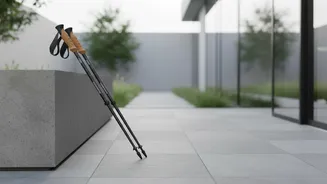
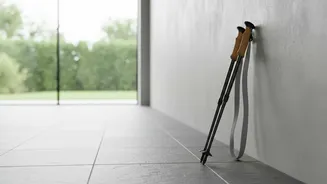
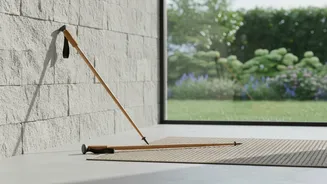
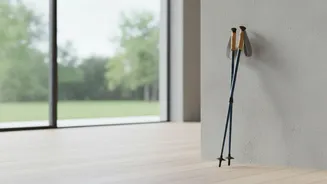
You don't need much to begin your Nordic walking journey. The most essential items are a pair of purpose-built Nordic walking poles. These are different from hiking or trekking poles; they have a specific glove-like strap system that allows you to perform the push-off technique correctly. Look for lightweight poles made from aluminum or carbon. Beyond poles, a good pair of comfortable, flexible walking or trail running shoes is important to support the natural roll of your foot. For clothing, choose breathable, comfortable sportswear that allows for a full range of motion in your arms and shoulders.