







The Rise of the Micro-Break
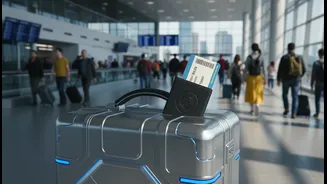
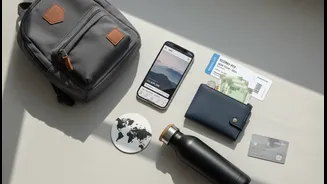
Forget saving up all year for one big holiday. The new travel mantra for young India is 'travel often, not long'. A micro-break, or micro-cation, is a short trip, usually lasting just two to four days, often planned spontaneously around a long weekend.
A recent Airbnb report found that 70% of Indian Gen Z travellers prefer taking three short trips over one long annual holiday. This shift is fuelled by a desire for experiences over possessions, flexible work schedules, and the simple need for a quick reset from high-pressure work environments. It’s less about a grand yearly escape and more about integrating travel into the fabric of everyday life.
Gain: A Regular Dose of Restoration
One of the most significant advantages of micro-breaks is their potential to combat chronic stress and burnout. Instead of waiting an entire year for a reset, young professionals are finding that frequent, shorter pauses are more effective for mental well-being. A quick trip to the mountains or a quiet beach can break the monotony of a demanding work-life, providing regular intervals for recovery. Many young travellers now explicitly seek out 'burnout breaks' designed for genuine rest and recovery, rather than whirlwind sightseeing. The goal isn’t to do everything; for many, it's simply to do nothing at all and return to work feeling genuinely refreshed.
Gain: More Destinations, Less Commitment
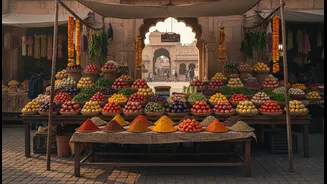
Micro-breaks allow for a broader range of exploration. Without the pressure to make one big trip perfect, travellers can visit multiple destinations throughout the year. This approach satisfies a growing curiosity to see more of the country, from hidden gems to nearby cities, without the logistical or financial commitment of a two-week-long holiday. It fosters a sense of continuous discovery. A recent survey highlighted that for this generation, travel is an expression of identity, with 80% valuing small, unique moments over visiting famous attractions. This anti-itinerary approach means trips are more personal and spontaneous.
Check: The Burnout Paradox and Hidden Costs
While a single short trip feels affordable, the costs can quickly add up. Multiple flights, accommodation bookings, and daily expenses throughout the year can sometimes exceed the budget for one well-planned long vacation. Furthermore, the constant cycle of planning, packing, travelling, and unpacking can lead to a different kind of exhaustion known as travel burnout. A break that requires catching an early morning flight on a Saturday and returning on a late-night flight on Sunday, only to head straight to the office, might leave you needing a vacation from your vacation. The pressure to maximise every moment of a short trip can become a source of stress itself.
Check: The Sustainability Question
The trend of frequent, short-haul travel raises significant environmental concerns. An increase in flights, even short ones, contributes to a larger carbon footprint. Moreover, the concentration of tourists in popular weekend destinations like Goa, Rajasthan, and Himalayan towns can lead to overtourism, straining local resources like water and waste management systems. This influx puts pressure on fragile ecosystems and local infrastructure, which often haven't been developed to handle such regular, high volumes of visitors. Without mindful travel practices, the quest for a personal reset can have a collective negative impact.
Check: The Pressure of 'Performance' Travel
Social media plays a huge role in how and why young people travel. With nearly 90% of Gen Z travellers influenced by social media, there's an undeniable pressure to document and share the perfect trip. This can turn a restful break into a content-creation exercise, where the focus shifts from genuine experience to capturing visually appealing moments for Instagram or TikTok. Research indicates this pressure can lead to overspending and a sense of dissatisfaction if the reality of the trip doesn't match the idealized versions seen online. This raises the question: is the trip for you, or for your followers?