








The Twin Challenge: Roads and Runways
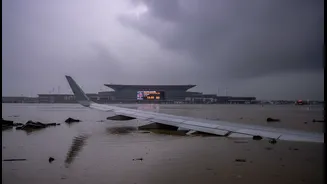
Kolkata's monsoon season, particularly from June to September, presents a dual challenge for anyone heading to Netaji Subhas Chandra Bose International Airport. The first hurdle is on the ground. Heavy, intense downpours frequently lead to severe waterlogging
on key arterial roads, including the main access routes to the airport like VIP Road. This can turn a standard commute into a lengthy, unpredictable journey, with traffic slowing to a crawl for hours. This isn't just an inconvenience; it has led to passengers and even flight crews getting stuck and missing flights. The second challenge is in the air. Heavy rain, low visibility, and strong winds can lead to flight delays, diversions, and, in severe cases, cancellations. Airlines frequently issue advisories during periods of intense rain, acknowledging that schedules are likely to be impacted.
Why You Need a 'Flight Buffer'
Given the uncertainty, the concept of a 'flight buffer' has become critical. This isn't just about leaving a little early; it's a deliberate strategy of adding a significant block of extra time to your airport journey. Travel experts and airlines strongly advise adding at least two to three hours to your travel time to the airport during the monsoon. This buffer accounts for potential traffic gridlock caused by flooded streets. Arriving at the airport well ahead of your departure time mitigates the risk of missing your flight due to circumstances entirely beyond your control. For those with connecting flights, this buffer is even more crucial. Booking connections with a layover of at least three to four hours is recommended, as airports like Kolkata's are prone to cascading delays where one late flight impacts several others throughout the day.
Making Airline Status Checks a Habit
Your second critical tool is proactive communication. Do not assume your flight is on time until you are at the gate. Airlines like IndiGo, Air India, and SpiceJet regularly issue travel advisories via social media and text alerts during periods of bad weather, urging passengers to check their flight status. Before you even leave for the airport, check the airline's official website or mobile app for the latest updates on your flight. These platforms provide real-time information on delays, gate changes, or cancellations. This simple step can save you from a stressful, wasted journey to the airport if your flight has been significantly delayed or rescheduled. Setting up notifications on the airline's app is an easy way to ensure you receive any changes automatically.
Practical Steps for Monsoon Travel
Booking early morning flights can be a strategic advantage, as monsoon downpours and thunderstorms often intensify in the afternoon and evening. The first flights of the day are also less susceptible to the ripple effect of accumulated delays. When possible, opt for direct flights to avoid the complication of a tight connection at a weather-affected airport. Inside the airport, while operational areas can sometimes experience temporary waterlogging, the passenger terminals generally remain functional. Modern Instrument Landing Systems (ILS) at Kolkata airport help maintain operations even in poor visibility, but safety protocols during severe thunderstorms can still cause temporary halts. Finally, pack smart: a waterproof bag cover, an umbrella for the journey to and from the terminal, and a power bank for your phone are essentials for long waits.