





Begin with a Wardrobe Audit
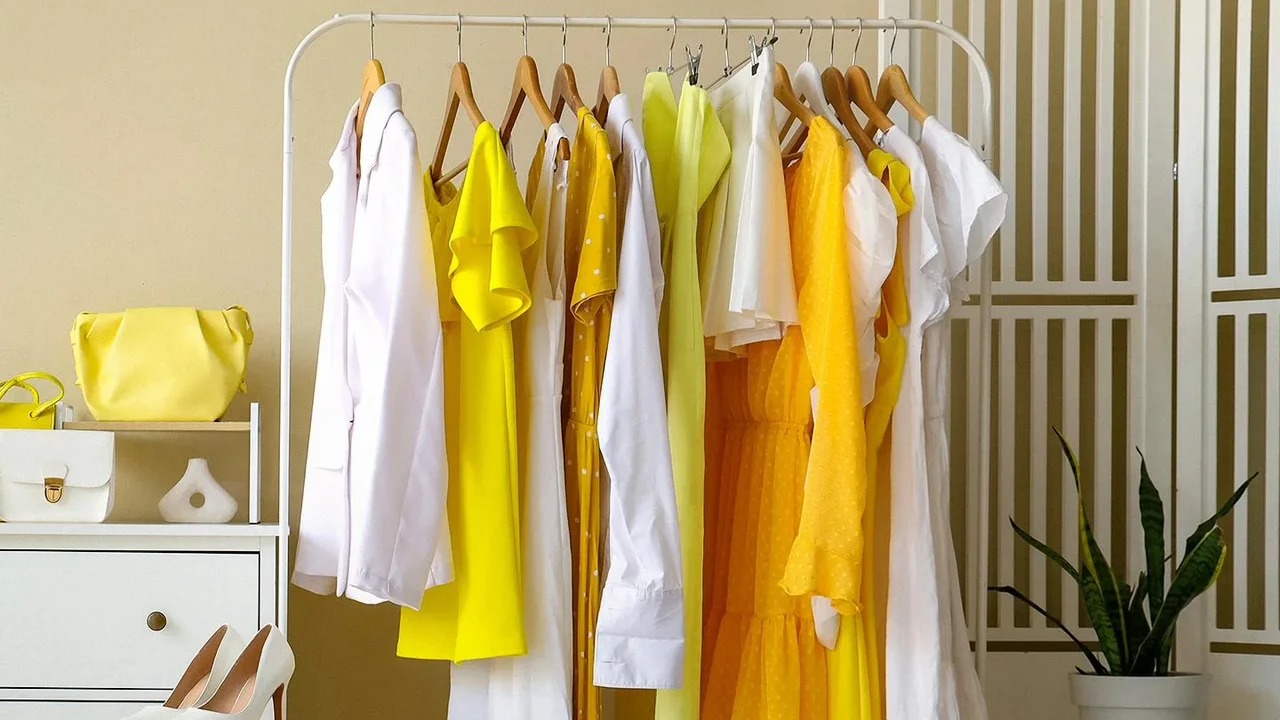
Before you even think about shopping, get a clear picture of what you already own. Set aside an hour or two to empty your wardrobe completely. Seeing every item laid out on your bed provides a powerful overview and often helps you rediscover forgotten
treasures—a beautiful silk sari, a classic bandhgala, or a dress you loved but forgot about. This is also the perfect moment for a pre-festive deep clean of your shelves and drawers. The goal is to create a clear inventory, separating your clothes into categories like kurtas, trousers, dresses, and festive wear to see what you're working with.
The Three-Pile System: Keep, Repair, Donate
Once everything is visible, it's time to make decisions. Create three distinct piles. The 'Keep' pile is for items that fit well and you'll wear immediately. The 'Donate' or 'Recycle' pile is for anything that no longer suits your style or is beyond saving. The most important pile for this exercise is 'Repair'. This includes clothes with minor issues—a fallen hem, a broken zipper, a loose button, or a seam that needs reinforcing. It also includes garments that don't quite fit right. Maybe a kurta is too boxy, or a pair of trousers is slightly too long. These are prime candidates for a revival that can transform them into wardrobe staples.
The Magic of a Perfect Fit
Never underestimate the power of good tailoring. An inexpensive outfit that is tailored to your body can look far more high-end than a costly one that fits poorly. Professional alterations can dramatically enhance the silhouette, comfort, and overall appearance of your clothes. A skilled tailor can take in a dress at the waist, slim down the sleeves of a shirt, or adjust the length of your trousers, making you look sharper and more put-together. This not only boosts your confidence but also extends the life of your garments, making it a cost-effective and sustainable choice.
Finding a Reliable Local Tailor
Finding a good 'darzi' is key. Ask for recommendations from friends and family who always look well-dressed. Check local online listings and reviews for tailors in your area who specialise in what you need, whether it's blouse stitching, suit alterations, or dress modifications. When you visit, bring the garment and the shoes you intend to wear with it. Be specific about what you want. A good tailor will listen, offer suggestions, and take precise measurements. It's wise to start with a simple, low-risk alteration first to test their skill before handing over your most beloved or expensive items.
Understanding Alteration Costs
The cost of alterations in India can vary widely depending on the city and the complexity of the job. Simple tasks like shortening the hem of trousers or sleeves might cost a few hundred rupees, typically from ₹200 to ₹500. Adjusting the waist or taking in the side seams of a shirt or kurta could range from ₹300 to ₹800. More complex work, like resizing a heavily embroidered lehenga blouse or altering a suit jacket, will naturally cost more, sometimes running into a few thousand rupees. Many local tailors and even online services now offer doorstep pickup and delivery for added convenience.
When You Do Shop, Shop Mindfully
After you’ve shopped your own wardrobe, you may find there are still a few genuine gaps. Now you can shop with purpose. Instead of buying multiple trendy, single-wear outfits, focus on versatile, high-quality pieces that can be styled in different ways. A classic pair of trousers, a well-made silk blouse, or a timeless blazer can be dressed up or down with accessories. These investment pieces will serve you well beyond the festive season, integrating seamlessly into your everyday wardrobe and preventing future clutter.