


Makhana: The Puffed Powerhouse
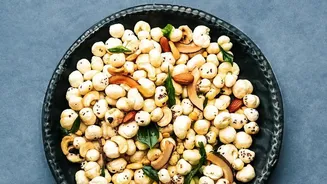
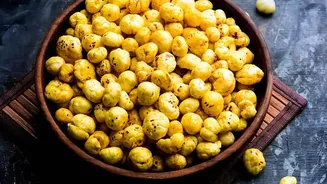
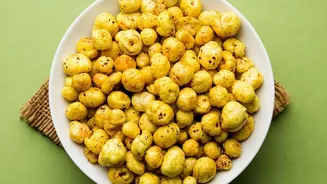
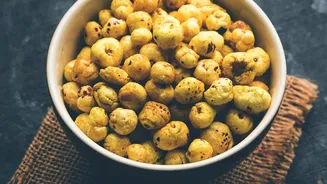
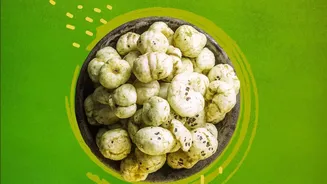
Often called fox nuts or lotus seeds, makhana are lightweight, crunchy, and incredibly versatile. They are considered a 'sattvik' or pure food, making them an ideal choice for fasting periods like Navratri, Ekadashi, and Sawan. Makhana is not just traditional
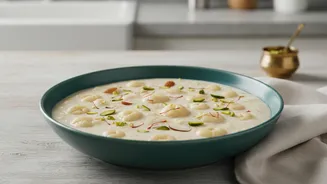
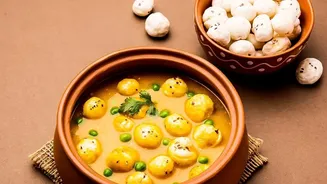
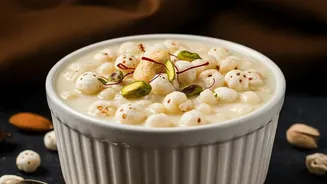
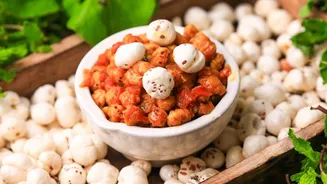
but also a nutritional heavyweight. It is low in calories and sodium but rich in protein, calcium, magnesium, and potassium. This combination helps in maintaining steady energy levels, which can often dip during a fast. The high fibre content aids digestion and promotes a feeling of fullness, preventing overindulgence in other fried or heavy vrat snacks. Its low glycemic index makes it a suitable option for those managing blood sugar levels. The most common way to eat makhana is by roasting it in a little ghee with some rock salt (sendha namak). However, its uses extend to creamy kheer, hearty curries, and even ground into flour for various preparations.
Kuttu: The Nutrient-Dense Pseudocereal
Kuttu ka atta, or buckwheat flour, is a cornerstone of fasting meals across India. An important fact to clarify is that despite its name, buckwheat is not a type of wheat. It is a pseudocereal, meaning it's a seed from a flowering plant, not a grass, and is naturally gluten-free. This makes it permissible during fasts when regular grains are avoided. Traditionally, it’s considered a 'phalahari' or fruit-based food. Nutritionally, kuttu is impressive. It is packed with high-quality protein, dietary fibre, magnesium, and B-complex vitamins. The complex carbohydrates in kuttu break down slowly, providing sustained energy and preventing the weakness sometimes associated with fasting. Its high fibre content also aids in digestion and prevents bloating. Because kuttu is considered to have a 'warm' nature, it is often paired with cooling ingredients like curd or buttermilk to create a balanced meal. The earthy, nutty flour is most famously used to make puris, parathas, pakoras, and even dosas, all prepared using vrat-approved spices.
Rajgira: The Royal Grain
Rajgira, also known as amaranth or ramdana, translates to "royal grain" and lives up to its name with a stellar nutritional profile. Like kuttu, it is a gluten-free pseudocereal and a popular choice for fasting diets. Rajgira is a complete protein source, containing all essential amino acids, which is particularly beneficial when dietary options are limited. It is also rich in calcium, iron, magnesium, and antioxidants. The high fibre content in rajgira aids digestion and helps keep you feeling full and satisfied for longer. It’s also known to contain lysine, an amino acid that helps the body absorb calcium efficiently. Rajgira can be used in several forms. The tiny seeds can be puffed and used to make chikki (a brittle candy with jaggery) or added to porridges. The flour, or rajgira atta, is widely used to make soft rotis, puris, parathas, and sheera (a sweet halwa). Its versatility allows it to be seamlessly incorporated into both savoury and sweet dishes, providing a nutritious boost to any fasting meal.