







The Science of Staying Full
Satiety, the feeling of fullness after eating, is primarily influenced by a few key nutrients: protein, fiber, and the overall volume of your food. Protein is more satiating than carbohydrates or fat, helping to regulate your appetite. Fiber, a type of carbohydrate the body
can't digest, works in two ways. Soluble fiber forms a gel-like substance in your stomach, slowing digestion and the release of sugar into your bloodstream. Insoluble fiber adds bulk to your food and helps with digestion. This combination of protein and fiber is a powerhouse for preventing overeating and managing a healthy weight. Whole foods rich in these nutrients help prevent the rapid blood sugar spikes and crashes that can trigger hunger cravings soon after eating.
Powerhouse Pulses: Nature's Nutrient Packs
Pulses—the dry, edible seeds of legume plants like lentils, chickpeas, and beans—are nutritional champions. They are an excellent source of both plant-based protein and dietary fiber, a combination that makes them incredibly effective at keeping you full. A half-cup serving of cooked pulses contains significantly more fiber than many other carbohydrate sources. This high fiber content slows down digestion, promoting a steady release of energy and preventing the sharp blood sugar increases that can lead to subsequent hunger. Studies have shown that meals containing pulses can increase feelings of fullness for hours, making them a valuable tool for appetite control.
The Seasonal Advantage
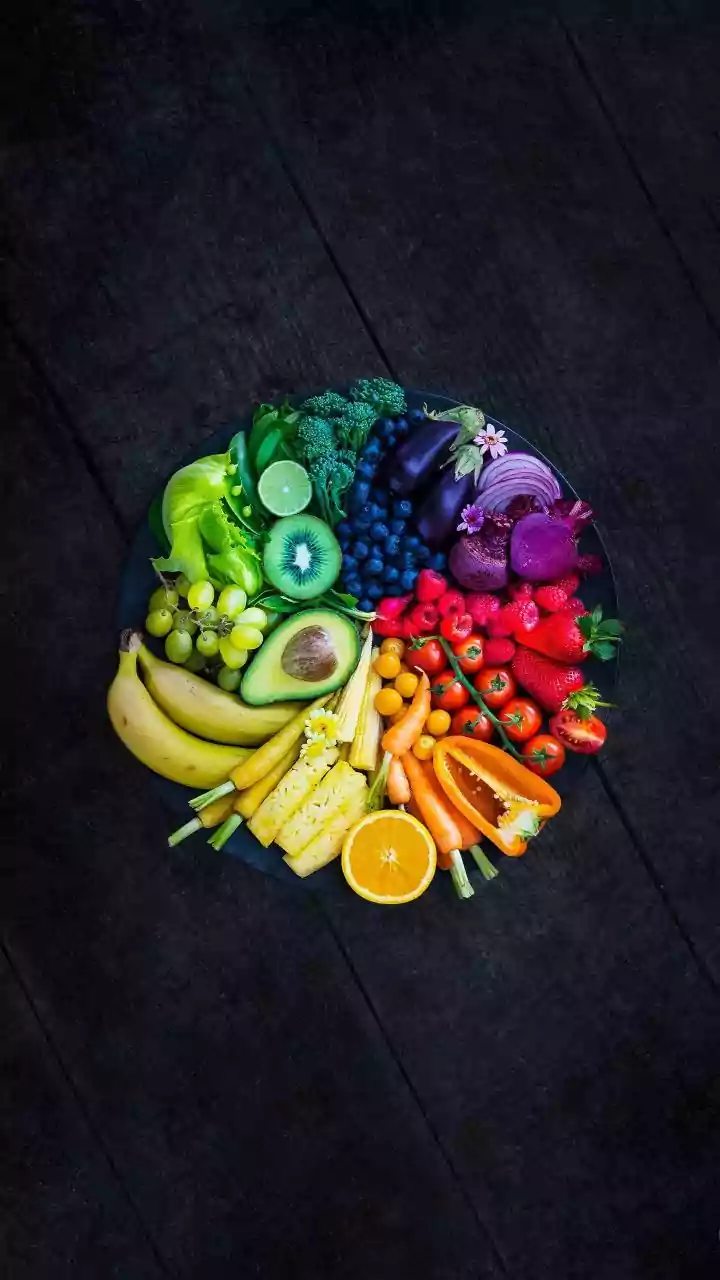
Choosing produce that is in season offers more than just better flavour and a lower price tag. Fruits and vegetables harvested at their peak ripeness are often more nutrient-dense. They can contain higher levels of vitamins, minerals, and antioxidants compared to produce that has been picked early and transported over long distances. For example, a summer tomato or strawberry tends to have more vitamin C than one found in the winter. Eating a variety of seasonal produce also diversifies your nutrient intake and the types of fiber you consume, which is beneficial for gut health. This nutritional boost contributes to overall wellness and supports your body’s ability to feel satisfied and energised.
Simple Ways to Boost Your Meals
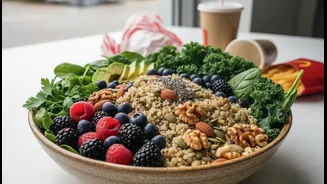
Incorporating more pulses and seasonal vegetables doesn't require a complete diet overhaul. Start with small, manageable additions. You can add a can of lentils or beans to bolognese, stews, and soups to make the meal more filling and stretch it further. Toss chickpeas or kidney beans into your salads to turn them from a light side into a satisfying main course. For a simple swap, try replacing half the ground meat in tacos or burgers with mashed lentils or black beans. Even smoothies can get a nutritional boost; adding a handful of cooked cannellini or black beans creates a creamy texture and adds protein and fiber without altering the flavour significantly. Visiting a local farmers' market is a great way to discover what's in season and get the freshest, most flavourful produce available.