

Why Your Pet Needs More Than Treats
We all love seeing our pets happy, and food has long been an easy way to show affection. However, animal behaviorists now understand that a pet's well-being depends on more than a full stomach. Just like humans, dogs and cats can suffer from boredom,
which can lead to undesirable behaviors like destructive chewing, excessive barking, or anxiety. Enrichment is the practice of providing animals with stimulation that encourages their natural instincts. The goal is to create a more engaging environment that mimics the challenges their ancestors would have faced, such as foraging or hunting for food. This shift moves beyond simple rewards and focuses on activities that make pets think, problem-solve, and explore, leading to a more fulfilled and balanced life.
The Power of a Thinking Pet
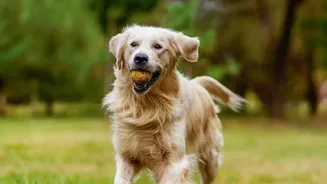
Engaging your pet's brain is about more than just preventing trouble. Cognitive stimulation offers profound benefits. Problem-solving activities, like figuring out a puzzle toy, can build a pet's confidence and independence. This mental workout is just as tiring, if not more so, than physical exercise. A short session with a brain game can be as effective at calming a hyperactive dog as a long walk. For dogs, activities that use their powerful sense of smell—often called 'scent work'—are incredibly satisfying. A simple game of hiding a toy and encouraging them to 'find it' taps into their natural foraging drive, providing an outlet that is both fun and instinctually rewarding. This kind of engagement strengthens the bond between owner and pet, building trust and communication through shared, positive experiences.
Puzzle Toys and Interactive Feeders
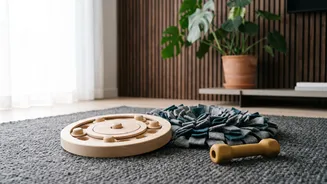
One of the most popular entry points into non-food enrichment is the world of puzzle toys. These range from simple balls that dispense kibble as they roll to complex boards with sliders and levers that hide treats. These toys turn mealtime from a 30-second gulp-fest into a 15-minute brain teaser. This not only provides mental stimulation but also encourages slower eating, which can improve digestion and prevent bloating. When choosing a puzzle toy, it's important to start with something easy to avoid frustration and gradually increase the difficulty as your pet gets the hang of it. From stuffable toys and lick mats that can be used to soothe anxious pets to intricate puzzles for advanced problem-solvers, there's a huge variety to explore.
Enrichment Without Spending a Rupee
You don't need to buy expensive toys to keep your pet's mind active. Many of the best enrichment activities can be created with items you already have at home. A simple 'snuffle mat' can be made from an old floor mat with fabric strips tied to it, where you can hide kibble for your pet to find. A 'busy box' is another easy DIY option: simply take a cardboard box and fill it with scrunched-up paper, empty toilet paper rolls, and a few of your pet's favourite toys. Let them shred, dig, and forage to their heart's content (under supervision, of course). Even a standard muffin tin can become a puzzle by placing kibble in the cups and covering them with tennis balls or other small toys for your dog to remove.
Beyond Games: Everyday Enrichment
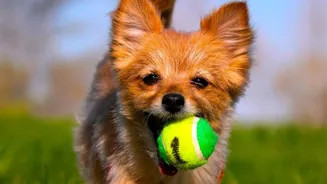
Enrichment isn't just about structured playtime; it can be woven into your daily routine. Instead of a predictable walk around the same block, try a 'sniffari', where you let your dog lead the way and take as much time as they want to explore interesting smells. Simple training sessions for new tricks also count as powerful mental stimulation. Even rewards can be non-food based. For many dogs, a game of tug-of-war, enthusiastic praise, or a good belly rub can be just as motivating as a treat. By rethinking what a 'reward' is, owners can provide constant, healthy stimulation that doesn't rely on calories.