



Understanding the Seasonal Threat in India
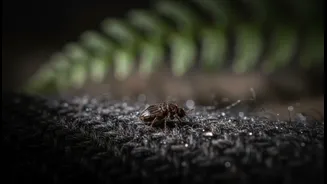
In India, the warm and humid climate means parasites are a year-round concern, but they become especially aggressive during the monsoon season from June to September. The high humidity creates a perfect breeding ground for fleas, ticks, mites, and mosquitoes,
which can transmit diseases like heartworm. These external parasites can cause everything from severe itching and skin infections to serious illnesses like tick fever, which can be life-threatening. Even indoor pets are at risk, as parasites can hitch a ride into your home on shoes, clothing, or through open balconies. Internal parasites like roundworms and hookworms are also a threat, often spread through contaminated water or soil.
Vet-Approved Preventative Treatments
Prevention is always better than treatment. Your veterinarian is your most important partner in choosing a safe and effective parasite control plan. Options vary based on your pet's species, weight, age, and lifestyle. Common vet-approved products include monthly spot-on treatments applied to the back of the neck, oral chewable tablets that offer one to three months of protection, and medicated collars. It's crucial to start these treatments before the peak parasite season begins. Never use a product intended for dogs on cats, as some ingredients can be toxic to felines. Your vet will also recommend a deworming schedule to protect against internal parasites.
Making Your Flat a Fortress
Your home is the first line of defence. Since parasites can easily come indoors, maintaining a clean environment is crucial for apartment dwellers. Vacuum carpets, rugs, and furniture frequently, paying close attention to corners and your pet's favourite resting spots. Wash your pet's bedding, blankets, and soft toys weekly in hot water to kill any eggs or larvae. After walks, especially during the monsoon, clean your pet’s paws thoroughly to remove mud and any hangers-on. Keeping a dedicated towel near the door for post-walk wipe-downs is a simple but effective habit.
The Power of Regular Grooming and Checks
Regular grooming does more than just keep your pet looking smart; it’s a vital part of parasite detection. Make it a habit to check your pet’s coat daily, especially after they've spent time on the balcony or after a walk. Run your fingers through their fur, feeling for any small bumps. Use a fine-toothed flea comb to inspect for fleas and 'flea dirt' (tiny black specks). Pay special attention to warm, hidden areas like under the collar, in and around the ears, between the toes, in the armpits, and near the tail. Keeping their coat dry is also important, as damp fur can lead to skin infections.
When to Consult Your Veterinarian
Despite your best efforts, infestations can happen. It's important to recognise the signs so you can act quickly. Contact your vet if you notice excessive scratching or licking, red and inflamed skin, hair loss, or visible parasites on your pet. Symptoms of tick-borne disease can include fever, lethargy, or loss of appetite. For internal parasites, watch for signs like diarrhoea, weight loss, or a bloated belly. Your vet can perform tests to confirm the diagnosis and prescribe the appropriate treatment, which may include medicated shampoos or stronger medications than over-the-counter preventatives.