



Immediate Action: The First Steps
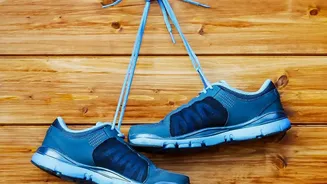
The moment you walk indoors, your battle against moisture begins. Don't just kick off your wet shoes and forget them in a corner. First, remove the laces and insoles; this opens up the shoe and allows air to circulate freely. If your shoes are muddy,
wipe them down with a damp cloth to remove any dirt or grit that could stain as they dry. Pat the exterior and interior with a dry cloth or paper towel to absorb as much surface-level water as possible. This prep work is crucial because it drastically reduces the overall drying time and prevents moisture from getting trapped deep within the materials.
The Classic Method: Newspaper Power
There's a reason this age-old trick has stood the test of time: it works. Newspaper is highly porous and acts like a sponge, drawing moisture out from the shoe's interior. Crumple up sheets of black-and-white newsprint (avoid glossy, coloured pages as the ink can transfer) and stuff them loosely into your shoes, making sure to reach the toe area. For very wet shoes, wrap another layer of newspaper around the outside and secure it with rubber bands. The key to success is to replace the newspaper every few hours. The first batch will become saturated quickly; swapping it for dry paper keeps the absorption process going efficiently. This method not only dries but also helps the shoe maintain its shape.
Harnessing Airflow: The Fan and Dehumidifier
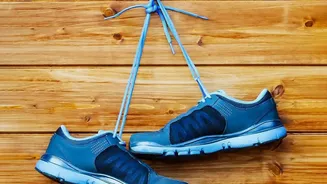
In the high humidity of the monsoon, air-drying alone can be painfully slow. This is where a simple fan becomes your best friend. By keeping cool air moving, a fan significantly speeds up evaporation. Position your prepped shoes in front of a fan, ensuring the air can flow directly inside. You can hang them from the fan's grille by their laces or use S-shaped hooks made from a wire hanger. If you don't have hooks, lean them on their sides against a wall. For an even more powerful approach in extremely damp conditions, place the shoes and fan in a small, closed room with a dehumidifier, which will actively pull moisture from the air, creating a much better drying environment.
What to Avoid: Heat Is the Enemy
It might be tempting to use a hairdryer, place your shoes near a heater, or leave them in direct sunlight for a quick fix, but this is the fastest way to ruin them. Direct, high heat can cause irreversible damage. It can melt the adhesives holding your shoes together, leading to sole separation. For leather shoes, it's even worse; the heat strips the leather of its natural oils, causing it to become brittle, stiff, and prone to cracking. Synthetic materials can warp, shrink, or lose their shape entirely. Always opt for slow, gentle drying methods at room temperature to preserve the integrity and lifespan of your footwear.
Material-Specific Advice: Leather, Suede, and Canvas
Different materials require different care. Leather should be dried slowly and naturally. After it's completely dry, apply a leather conditioner to restore the oils that were stripped away by the water. Suede is particularly delicate; use a cloth to blot away moisture, stuff it to maintain its shape, and let it air dry completely, which can take up to 48 hours. Once dry, use a suede brush to restore the texture. Canvas and other fabric shoes are more resilient. They respond well to the newspaper and fan methods. Just be mindful of light-coloured interiors where newspaper ink might transfer.
Fighting the Funk: Odour and Mildew Prevention
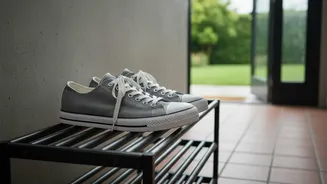
Dampness creates a breeding ground for bacteria and mould, resulting in that all-too-familiar musty monsoon smell. Once your shoes are mostly dry, you can tackle odours. Sprinkle a tablespoon or two of baking soda inside each shoe and leave it overnight to absorb smells and any lingering moisture; simply shake it out in the morning. Unused dry tea bags also work as natural deodorisers. For long-term prevention, storing shoes on an open, ventilated rack is better than in a closed cupboard where moisture gets trapped. Placing silica gel packets or activated charcoal sachets inside shoes when not in use can also help absorb ambient humidity.