





What Is Rice Water, Exactly?
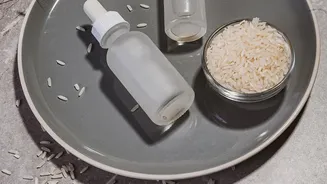
Rice water is the starchy liquid left over after rinsing or boiling rice. This milky fluid contains trace amounts of nutrients that leach from the rice grains, including nitrogen, phosphorus, and potassium (N-P-K), which are essential for plant growth.
The starch itself also plays a key role, not by feeding the plant directly, but by nourishing the microscopic ecosystem living in the soil. It’s important to note that rice water is a mild supplement and not a replacement for a balanced fertilizer.
Benefit 1: A Gentle Nutrient Boost
The primary appeal of rice water is its nutrient content. While it's not as potent as commercial fertilizers, it provides a gentle dose of nitrogen for leafy growth, phosphorus for root and flower development, and potassium for overall plant resilience. Studies have shown that fermented rice water, in particular, has increased concentrations of these nutrients, making them more available for plants to absorb. This makes it a great, low-risk option for gardeners who want to avoid the harshness of chemical fertilizers, which can sometimes burn plants.
Benefit 2: It Feeds Your Soil's Ecosystem
Perhaps the most significant benefit of rice water happens below the surface. The carbohydrates from the starch act as a food source for beneficial soil microbes, such as bacteria and mycorrhizal fungi. A healthy microbial population is crucial for good soil structure and nutrient cycling. These microorganisms help break down organic matter into forms that plant roots can easily absorb. By feeding this invisible workforce, you are improving the overall health and fertility of your soil in a natural, sustainable way.
Benefit 3: It Can Encourage Stronger Roots
Healthy roots are the foundation of a healthy plant. Rice water can contribute to a stronger root system in a few ways. It contains B vitamins like thiamine, which are known to promote root development. Furthermore, fermented rice water encourages the growth of specific bacteria that produce hormones like indole-acetic acid (IAA), a natural growth promoter that stimulates root growth. Stronger, more extensive roots allow plants to absorb water and nutrients more efficiently, leading to more robust overall growth.
Benefit 4: An Organic Pest Control Method
While not a direct pesticide, fermented rice water can help deter some common garden pests. The presence of beneficial microbes, such as lactobacilli, creates a soil environment that is less hospitable to harmful pathogens. Some gardeners have noted that the application of fermented rice water seems to reduce issues with pests like aphids and thrips. This effect is indirect; by strengthening the plant and improving soil health, you are essentially helping the plant build its own defenses against pests and diseases.
Benefit 5: A Sustainable and Zero-Cost Choice
In a world where we are all trying to be more mindful of waste, using rice water is a perfect example of upcycling. Every time you cook rice, you have an opportunity to create a free resource for your garden instead of letting it go down the drain. This practice is not only cost-effective, saving you money on commercial fertilizers, but it is also an environmentally friendly choice that reduces household waste and embraces a more cyclical approach to home and garden care. It’s a simple tradition that has been practiced by farmers for generations for a good reason.
How to Prepare and Use Rice Water
There are two main ways to prepare rice water. The simplest is to collect the cloudy water from the first rinse of uncooked rice. This fresh version is mild and can be used immediately, either by pouring it directly onto the soil or diluting it with water. For a more potent mixture, you can ferment the rice water. To do this, let the fresh rice water sit in a loosely covered jar at room temperature for two to three days, until it develops a slightly sour smell. This fermented liquid is richer in beneficial bacteria and nutrients but should be diluted (a 1:10 ratio with water is a safe start) before being applied to plants no more than once every couple of weeks.
The Risks: What to Watch Out For
Despite its benefits, rice water must be used in moderation. Overuse can lead to problems. The high starch content can attract pests like ants and fungus gnats, and in damp conditions, it can promote the growth of harmful fungi and mold on the soil surface. It can also cause the soil to form a hard crust, which prevents oxygen from reaching the roots. Always use water from rinsing unsalted rice, as salt can damage your plants. If you notice any foul smells, mold growth, or pest issues, stop using the rice water and flush the soil with plain water.