


What is a Sleep Retreat?
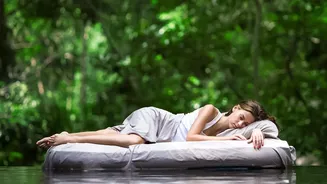
Sleep tourism is one of the fastest-growing sectors in the wellness economy, projected to be a multi-billion dollar industry. Unlike a typical vacation where sleep just happens, these retreats make it the main event. A structured sleep recovery retreat is more
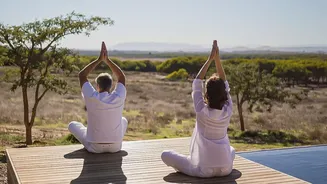
than just a comfy bed and blackout curtains. It’s a curated experience designed to diagnose and remedy poor sleep. Programs often last from a few days to a week and include consultations with sleep coaches or specialists, personalized nutrition plans, and workshops on managing stress. Days are built around a strict schedule of fixed wake-up and bedtimes, light exercise, meditation, and screen-free periods, all designed to reset the body's natural circadian rhythm.
The Great Millennial Burnout
So, why the sudden focus on rest? For many millennials, this trend is a direct response to a decade of 'hustle culture.' Often called the "burnout generation," they entered the workforce during financial crises, saddled with student debt, and navigated the pressures of an always-on digital world. The glorification of long hours and constant availability left many feeling physically and emotionally exhausted. With around 40% of millennials and Gen Z reporting they feel stressed or anxious all or most of the time, the need to disconnect has become urgent. For this group, sleep is no longer a luxury but a crucial form of self-care and a strategy for survival in a demanding world.
Beyond Melatonin and Meditation Apps
Millennials are a generation well-versed in the wellness market. They’ve tried the meditation apps, the weighted blankets, and the CBD tinctures. They understand sleep hygiene better than previous generations. However, there's a growing awareness that these quick fixes often fail to address the root cause of chronic sleep deprivation. Piling on optimization rules and tracking apps can even increase stress around bedtime. A structured retreat offers a more profound solution—an environmental intervention. By physically removing themselves from their daily lives, attendees can get a true reset, free from the triggers of work emails, social media notifications, and household duties. The goal isn't just to sleep well for a week, but to learn sustainable practices to take home.
Why Go Up a Mountain to Sleep?
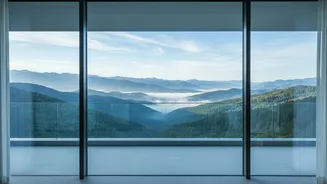
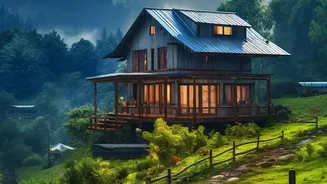
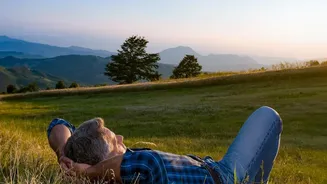
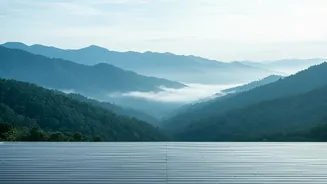
The choice of a "hill station" or a remote mountain resort is no accident. These locations offer a powerful combination of benefits that amplify the restorative experience. The crisp, clean air, cooler temperatures, and profound quiet of a mountain environment are naturally conducive to better sleep. Being surrounded by nature has been shown to reduce stress and improve mental clarity. Furthermore, the physical distance creates a strong psychological boundary. It’s harder for the pressures of daily life to follow you up a mountain. This sense of seclusion allows for a deeper level of disconnection and introspection, making the retreat feel like a true escape rather than just a change of scenery.
The New Status Symbol: Rest
For years, luxury travel meant packed schedules, late nights, and indulgent meals. Now, for a growing number of travelers, true luxury is silence, privacy, and a full eight hours of uninterrupted sleep. In a culture that prizes productivity, intentionally choosing to be unproductive is a powerful statement. Millennials are leading this shift, spending more on wellness experiences that promise transformation over temporary thrills. These retreats are an investment in their long-term health and performance. By prioritizing rest, they are redefining success—moving away from the exhausted 'grind' mentality and toward a more sustainable model of work-life balance.