








Redefining a Crisis in Our Own Taps
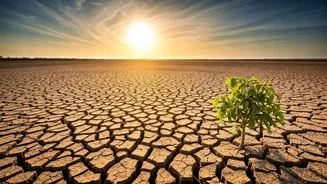
For too long, the narrative around water scarcity in India has been dominated by images of agrarian distress. While the plight of farmers is real and severe, this focus allows most urban residents to view water stress as a remote problem, something that
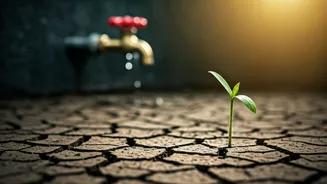
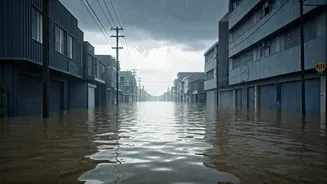
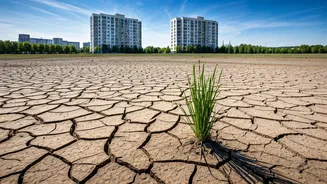
happens to 'other people' far away. This psychological distance is a luxury we can no longer afford. Water stress occurs when the demand for water exceeds the available supply over a period, or when poor quality restricts its use. A city can receive adequate rainfall and still face extreme stress if its infrastructure is leaky, its groundwater is exhausted, and its lakes are too polluted to use. This is the reality for urban India today, from Mumbai and Delhi to Bengaluru and Chennai. The crisis isn't a headline from a parched landscape; it’s the daily uncertainty of whether the tap will run, the society notice banning car washing, and the mushrooming of private water tankers that now form a critical, yet unregulated, part of city life.
Bengaluru: A Modern City on the Brink
Nowhere is the urban face of water stress more apparent than in Bengaluru. Once known as the 'City of Lakes', its rapid, unplanned urbanisation has systematically destroyed the very ecosystems that sustained it. Concrete has replaced wetlands and natural drainage, preventing the recharge of groundwater. What were once thriving lakes are now either gone or so heavily contaminated with sewage and industrial effluents that their water is unusable. The result is a high-tech metropolis that lurches from one water crisis to the next. The summer of 2026 is already seeing authorities prepare for shortages due to a delayed monsoon and low reservoir levels. This isn't a failure of nature; it is a failure of planning. When IT parks and sprawling residential communities are forced to rely on exorbitantly priced tanker water and face rationing, it demonstrates that economic development without water security is a fragile illusion.
Delhi’s Perennial Summer Struggle
If Bengaluru shows how quickly a crisis can develop, Delhi illustrates how it can become a chronic, annual affliction. Every summer, the national capital is plunged into a water emergency as the Yamuna river, its primary source, dwindles. In May and June 2026, low water levels at the Wazirabad barrage have forced key water treatment plants to operate far below capacity, leading to severe shortages across large parts of the city. The number of tanker trips deployed by the Delhi Jal Board surged by 77% in May 2026 compared to the previous year, a stark indicator of systemic failure. Residents in many areas report that taps are either dry or supply foul-smelling, contaminated water, forcing them into a desperate daily scramble. This is not an unforeseen disaster; it is a predictable outcome of over-extraction, interstate water disputes, and an infrastructure that cannot cope with the city's demands.
Why the Right Examples Matter
Focusing on urban examples isn't about ignoring rural suffering. It's about making the crisis personal and immediate for the nearly one-third of Indians who live in cities—a number rapidly growing. When city dwellers see water stress not in a farmer’s field but in their own dry taps, the political and social dynamics change. The problem shifts from a matter of distant sympathy to one of urgent self-interest. It drives demands for better governance, investment in modern infrastructure like wastewater treatment, and accountability from municipal bodies. According to NITI Aayog, nearly 600 million Indians face high to extreme water stress, and poor water quality results in hundreds of thousands of deaths each year. Framing this as an urban issue is crucial because cities are both major contributors to the problem and hold the key to its solution through better management, rainwater harvesting, and the promotion of a circular water economy.