



The Initial Catastrophe
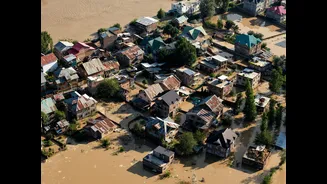
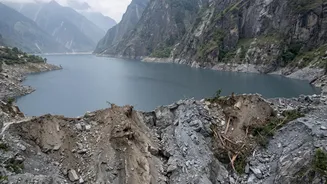
On August 26, 2026, a massive flash flood, reportedly triggered by a glacial avalanche near the Nepal-Tibet border, surged through the Bhotekoshi river valley. The wall of water, mud, and debris devastated settlements in the Rasuwa and Nuwakot districts,
killing more than 160 people and leaving hundreds more missing, including many foreign tourists and pilgrims. The torrent swept away entire villages, roads, bridges, and critical infrastructure, leaving communities completely cut off and complicating rescue efforts. This initial event, horrific in its own right, has set the stage for a prolonged and multifaceted disaster.
A Looming Public Health Crisis
With infrastructure destroyed and thousands displaced, a major public health crisis is an immediate and serious threat. Floodwaters, often contaminated with sewage, animal waste, and other pollutants, are a breeding ground for waterborne diseases. Health officials warn of the high risk of outbreaks of cholera, dysentery, typhoid, and leptospirosis. Disrupted access to clean drinking water and sanitation facilities exacerbates this danger. Furthermore, stagnant water provides a perfect environment for mosquitos, increasing the risk of vector-borne diseases like dengue and malaria. With health facilities damaged and supply chains broken, the capacity to respond to such outbreaks is severely compromised.
Economic and Infrastructure Collapse
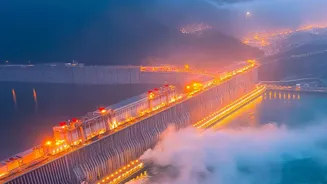
The flood has dealt a severe blow to Nepal's economy, particularly its energy and agriculture sectors. Numerous hydropower projects, a cornerstone of Nepal's economic ambitions, were severely damaged, with reports indicating that facilities generating over 430 MW of power were affected. This not only disrupts the nation's electricity supply but also triggers significant financial losses for listed companies, impacting the stock market. In the agricultural belt, the destruction is equally dire. Flooding has ravaged paddy fields, destroyed crops, and killed thousands of livestock, threatening food security and the livelihoods of countless farmers. The loss of roads and bridges severs economic lifelines, halting trade and the movement of goods, including crucial relief supplies.
Cross-Border Consequences for India
The disaster's impact extends beyond Nepal's borders. The Bhotekoshi river flows into the Trishuli, which eventually becomes the Gandak river upon entering India. The massive surge of water from the flood has traveled downstream, raising alarms in the Indian states of Bihar and Uttar Pradesh. In response, authorities in Bihar opened all gates of the Gandak Barrage to manage the increased water flow and prevent catastrophic flooding. While officials in Uttar Pradesh stated that a major flood was unlikely, local administrations were put on high alert. The incident also affects hundreds of Indian citizens, with reports confirming that over 130 Indian pilgrims on their way to Kailash Mansarovar were among the missing, prompting emergency assistance from the Indian government.
A Sign of a Worsening Climate Reality
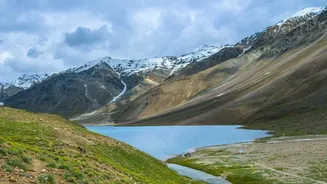
This event is a stark reminder of Nepal's extreme vulnerability to climate change. The Himalayan region is warming faster than the global average, leading to the rapid retreat of glaciers. This increases the frequency of events like glacial lake outburst floods (GLOFs), where melting glaciers form unstable lakes that can burst with catastrophic force. Experts believe a glacial collapse, not an earthquake, was the likely trigger for this flood. The combination of steep, fragile terrain, intense monsoon rains, and warming temperatures creates a chain reaction of hazards, from landslides to flash floods, posing a continual and growing threat to the region.