







Unpacking the New GST Structure
The conversation revolves around a major change in India's Goods and Services Tax (GST) regime for two-wheelers, which became effective in late 2025. [2, 5, 9, 12] Previously, most motorcycles were taxed under a relatively uniform structure. The new policy,
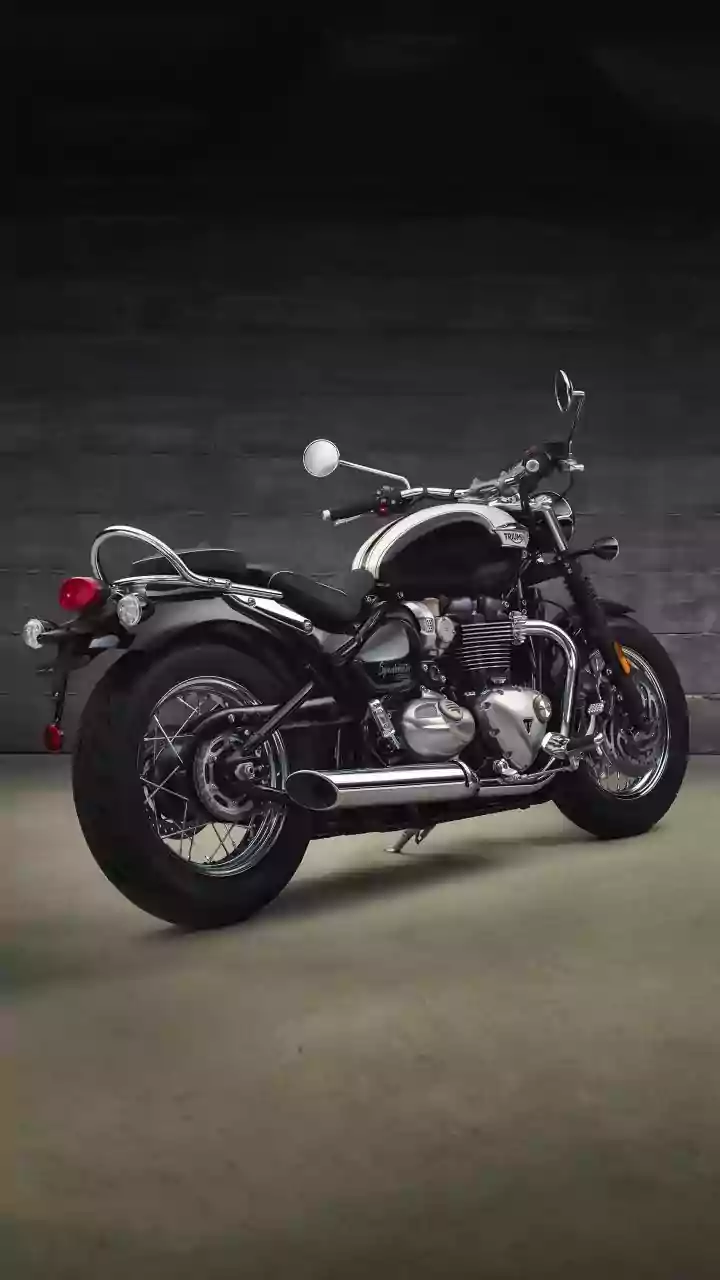
however, creates a distinct two-tier system based on engine capacity. [10, 12] Motorcycles with an engine capacity up to 350cc now fall under an 18% GST slab, a significant reduction from the earlier 28%. [5, 10, 12] In contrast, bikes with engines larger than 350cc have been moved into a higher tax bracket of 40%, a steep jump from the previous effective rate of around 31% (which included cess). [2, 9, 10] This reclassification effectively categorises larger bikes as luxury items. [9]
The 'Why' Behind the Policy
The government's rationale behind this dual-rate structure appears twofold. First, by lowering the tax on sub-350cc motorcycles, it aims to make commuter-focused two-wheelers more affordable for the masses, potentially boosting sales in this high-volume segment. [9, 17] This category forms the backbone of the Indian two-wheeler market. [14] Second, the higher tax on larger-capacity bikes is intended to increase revenue from what is considered a premium or aspirational market segment. [9] While the move simplifies the tax slabs, it creates a sharp dividing line at the 350cc mark, which has profound implications for manufacturers who operate on both sides of this new boundary. [13]
The Royal Enfield Connection
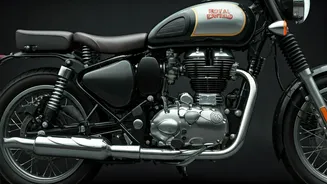
This policy change lands squarely in Royal Enfield's court because its portfolio straddles this new 350cc divide almost perfectly. The brand’s bread-and-butter models—the Classic 350, Bullet 350, Hunter 350, and Meteor 350—all house engines at or just under 349cc. [8, 13] These models account for the vast majority of the company's sales, with some estimates putting it as high as 87%. [13, 16] On the other side are its aspirational, higher-margin motorcycles like the Himalayan 450 and the entire 650cc twin-cylinder platform, which includes the Interceptor 650, Continental GT 650, and Super Meteor 650. [13, 16] This means Royal Enfield is in the unique position of seeing its model lineup affected in two opposite ways by the very same policy. [13]
Decoding the Price Impact
The on-ground effect has been immediate and clear. For prospective buyers of the 350cc range, the news is good. Royal Enfield passed on the GST reduction to customers, resulting in significant price cuts for models like the Classic, Bullet, and Hunter. [18, 21] Reductions have been reported in the range of ₹15,000 to over ₹20,000, depending on the model, making these popular bikes more accessible. [16, 21] Conversely, for the bigger bikes, the 40% GST has led to a substantial price hike. [9, 16] Models like the Himalayan 450 and the 650 Twins have become dearer by amounts ranging from roughly ₹20,000 to over ₹30,000. [16, 18] This widens the price gap between the brand's entry-level models and its premium offerings. [16]
What Happens Next for Fans and the Brand?
Industry experts are watching closely to see how this dual pricing strategy affects consumer behaviour. The reduced prices on the 350cc line are expected to further solidify Royal Enfield's dominance in the mid-size segment and attract new buyers. [13] However, the increased cost for the 450cc and 650cc models could potentially temper demand in the premium category, a segment crucial for the brand's global ambitions and profitability. [13] Before the policy was enacted, Royal Enfield's leadership had advocated for a uniform GST rate, warning that a differential structure could hurt investment in the premium segment. [13] The long-term impact on the company’s product strategy and the choices made by its loyal fanbase will be a key storyline to follow in India's evolving two-wheeler market.