





The Age of the Ephemeral Bite
We live in an era of hyper-accelerated food fads. A dish can go from an unknown creator’s kitchen to global phenomenon in a matter of days, thanks to platforms like TikTok and Instagram. Research shows these platforms are increasingly shaping what we
choose to eat. The focus is often on visual appeal and novelty—think glitter pickles or hot cocoa bombs—designed for a fleeting moment of digital fame rather than lasting satisfaction. This cycle prioritizes what's new over what's good, and what's photogenic over what's nourishing. The result is a culinary landscape where trends have a notoriously short lifespan, often fizzling out as quickly as they appeared. While entertaining, this relentless pursuit of the new creates a disconnect, turning food into a disposable form of content rather than a source of connection or culture.
What We Lose in the Hype
When a food trend has no roots, it offers no real nourishment for the soul. These 'placeless' foods—dishes that could come from anywhere and therefore come from nowhere—strip away the context that gives meals meaning. We lose the connection to the land, the climate, and the culture that shaped a dish over generations. This is a stark contrast to the concept of 'terroir', a French term that describes how a specific place, with its unique soil, climate, and human tradition, imparts a distinct character to its food. Think of the specific taste of Alphonso mangoes from Ratnagiri or the unique aroma of basmati rice from the Himalayan foothills. These are flavours that cannot be replicated elsewhere because they are intrinsically tied to a place. When we favour generic trends, we risk the homogenization of our palates and the loss of the very biodiversity that makes our food culture so rich.
The Power of Culinary Memory
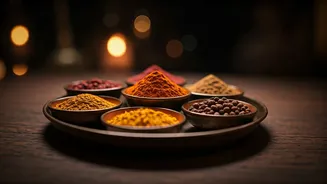
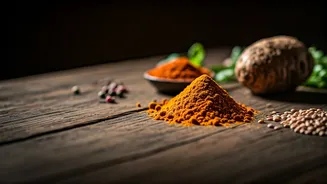
Food is a powerful carrier of memory. The scent of a particular spice or the taste of a dish can transport us back to our grandmother’s kitchen, a festive celebration, or a specific time in our lives. This connection is biological; the parts of the brain that process taste and smell are closely linked to emotion and long-term memory. Culinary heritage, passed down through generations, is more than a collection of recipes; it's a living archive of a community's history, values, and identity. These dishes are repositories of cultural memory, telling stories of migration, adaptation, and resilience. In India, where every region has its own distinct culinary traditions, these food memories form a vital part of our collective identity. To forget these dishes is to risk forgetting a part of who we are.
Championing Tradition and Terroir
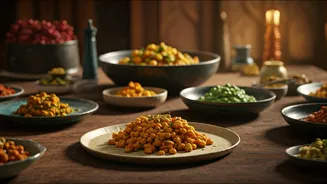
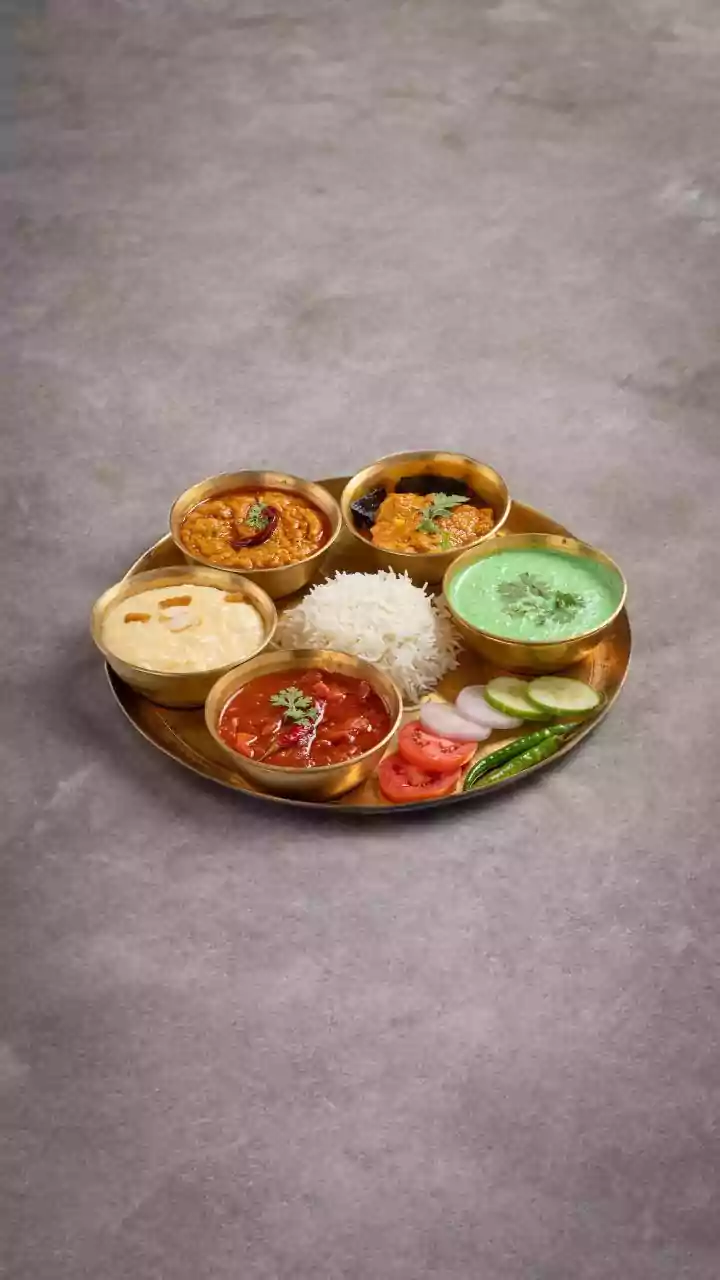
Fortunately, there is a growing movement to counteract the tide of placeless food. Across India, chefs and food enthusiasts are working to revive and document forgotten recipes, from the dishes of royal kitchens to humble, regional staples. This revival is not just about nostalgia; it’s a conscious effort to preserve our cultural and agricultural heritage. By championing local ingredients and traditional techniques, these culinary archivists are reminding us of the immense diversity of Indian cuisine. From the coconut-rich curries of Kerala to the complex vegetarian thalis of Gujarat, these dishes offer a taste of place that is authentic and deeply satisfying. They highlight how traditional diets, often built around local and seasonal produce, are not only flavourful but also inherently sustainable.
A More Mindful Plate
So, how can we cultivate a deeper connection with our food? It starts with a shift in mindset—from being a passive consumer of trends to an active and curious eater. We can choose to explore local markets instead of relying solely on supermarkets. We can take the time to learn the story behind a dish, whether it’s a family recipe or a regional specialty. We can support restaurants and producers who celebrate and preserve culinary heritage. This doesn’t mean we must reject everything new. Innovation is a vital part of any living food culture. But true innovation often happens when it is in conversation with tradition, not in opposition to it. By making more conscious choices, we can find a rewarding balance, enjoying food that is not only delicious but also rich with meaning, place, and memory.