








What is Skin Recovery?
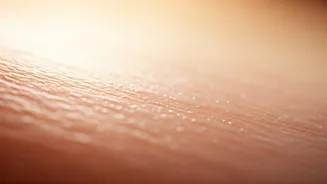
At its heart, skin recovery is about repairing and strengthening your skin’s outermost layer, known as the skin barrier or stratum corneum. Think of this barrier as a protective shield, made of skin cells held together by lipids like ceramides and fatty
acids. Its job is to keep moisture in and harmful elements like pollutants and irritants out. When this barrier is damaged—often by harsh products, over-exfoliation, sun exposure, or environmental stressors—it can lead to dryness, redness, sensitivity, and breakouts. Recovery, therefore, means moving away from aggressive daily treatments and focusing on healing, hydrating, and fortifying this crucial defensive layer.
The Modern Assault on Our Skin
The growing emphasis on recovery isn't just a trend; it's a direct response to modern life. Our skin is constantly under attack from environmental stressors. Air pollution, including particulate matter and industrial emissions, generates free radicals that cause oxidative stress, leading to inflammation, premature aging, and a weakened skin barrier. Studies show a clear link between high pollution levels in urban areas and an increase in skin issues like dryness and eczema. Add to this the internal effects of stress, lack of sleep, and even blue light from our screens, and you have a recipe for a constantly compromised complexion. A recovery-focused routine provides the necessary downtime for the skin to heal from this daily onslaught.
The Rise of 'Skin Cycling'
The recovery mindset is perfectly embodied by the popular 'skin cycling' trend. This dermatologist-approved method involves a strategic, rotational approach to your nightly routine, typically over four nights. The first night is for exfoliation, the second is for a retinoid, and nights three and four are dedicated entirely to recovery. During these recovery nights, you skip the potent active ingredients and instead use nourishing products to hydrate and repair the skin barrier. This approach allows you to get the benefits of powerful ingredients like acids and retinol without overwhelming the skin, which can lead to irritation and damage. It’s a smarter, more sustainable way to achieve long-term skin health.
Hero Ingredients for Healing
A good recovery routine is built on ingredients that soothe, hydrate, and rebuild. Ceramides are a non-negotiable, as they are the very lipids that form the 'mortar' of your skin barrier, helping to retain moisture and protect the skin. Niacinamide (Vitamin B3) is another superstar, known for its ability to calm inflammation, reduce redness, and boost the skin's natural production of ceramides. Hyaluronic Acid provides essential hydration, while ingredients like Centella Asiatica (often called Cica), Panthenol (Pro-vitamin B5), and squalane are celebrated for their soothing and healing properties that accelerate repair.
How to Embrace Recovery
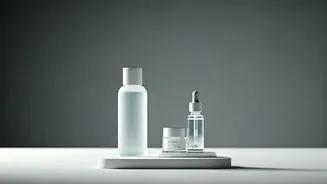
Integrating recovery into your routine doesn't mean abandoning your favourite treatments, but rather using them more intelligently. Start by assessing your skin. If it feels tight, sensitised, or irritated, it's likely asking for a break. Pause strong exfoliants and retinoids for a few days and switch to a simple routine: a gentle, pH-balanced cleanser, a hydrating serum with ingredients like hyaluronic acid or niacinamide, and a rich moisturiser packed with ceramides to seal everything in. And, as always, protect your skin every morning with a broad-spectrum sunscreen, which is crucial for preventing further damage while your barrier heals.