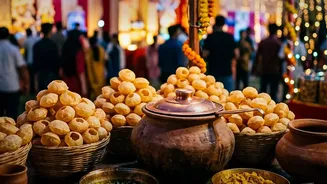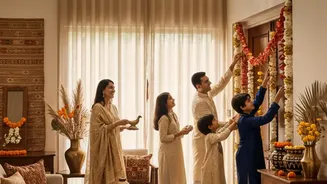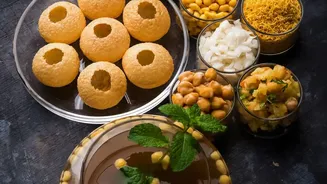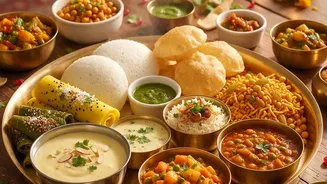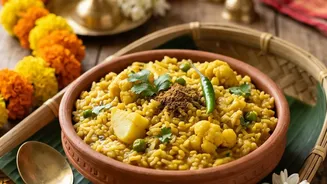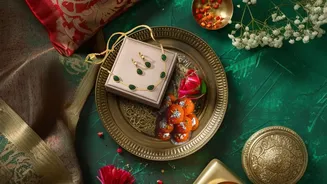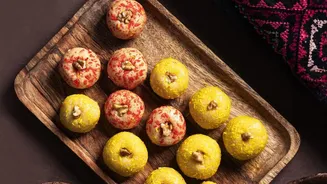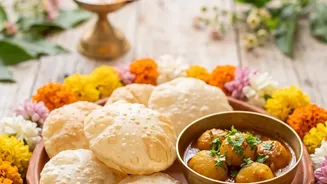


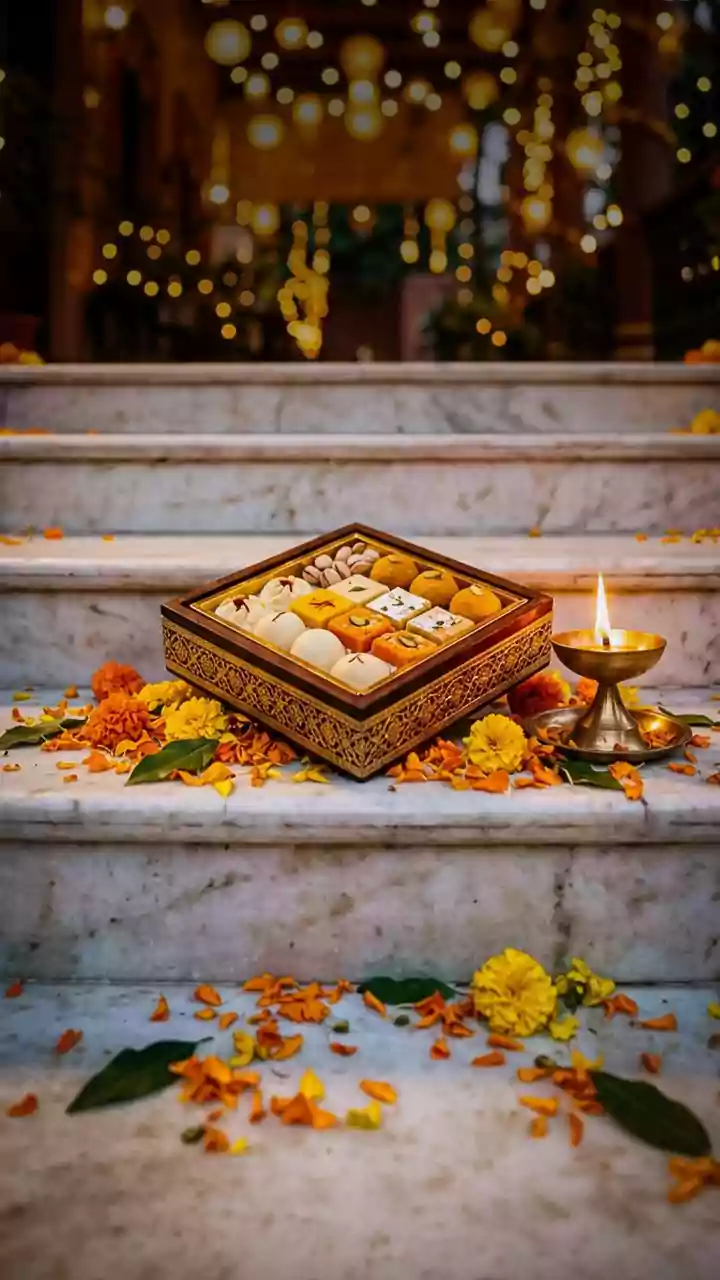

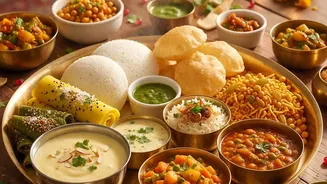
The aroma of ghee-soaked sweets, the intricate patterns of a rangoli, the laughter of family—these are the timeless hallmarks of an Indian festival. Yet, a quiet evolution is taking place in kitchens and homes across the country.
The New Festive Blueprint
For generations, the run-up
to any major Indian festival was a marathon of preparation. Days, if not weeks, were spent grinding spices, preparing batters, and meticulously crafting snacks and sweets. Today, that picture is changing. Modern Indian consumers, particularly millennials and Gen Z, are rewriting the rules. They are embracing convenience not as a replacement for tradition, but as a powerful enabler of it. The goal is no longer to prove one’s dedication through hours of laborious cooking, but to preserve the spirit of the festival—togetherness, joy, and ritual—by smartly outsourcing the toil.
Time: The Ultimate Modern Luxury
The primary driver behind this shift is the reality of modern life. With the rise of dual-income households, demanding careers, and the fast pace of urban living, time has become the most precious commodity. For many working professionals, spending an entire day preparing a festive meal is simply not feasible. This is where convenience steps in. It is not a sign of laziness, but a pragmatic solution to a time-starved reality. Consumers are making a conscious choice to buy back their time, reallocating it from strenuous preparation to quality moments with family and friends. By simplifying the logistics, they free up the energy to be present for the parts of the celebration that truly matter.
Redefining What 'Homemade' Means
The very definition of 'homemade' is becoming more flexible. It no longer has to mean creating every single component from scratch. Today, 'homemade' might mean using a high-quality, ready-made dosa batter to ensure the family can enjoy a traditional breakfast together without a full day of soaking and grinding. It could be ordering the main courses from a trusted local restaurant to focus all one's energy on perfecting a single, sentimentally important dessert like 'gajar ka halwa' using a pre-grated carrot mix. This hybrid approach allows for the preservation of personal, familial touches while leaning on the market for support. This blend of old and new is a hallmark of how younger generations connect with their culture.
The Market Responds in Kind
Sensing this significant cultural shift, the market has responded with a plethora of options. The Indian ready-to_eat (RTE) and ready_to_cook (RTC) markets are booming, with projections showing substantial growth. According to one report, the RTC segment grew 58% in 2024, adding 18 million households to its consumer base. Brands now offer everything from instant gulab jamun mixes and ready_to_eat paneer makhani to frozen kebabs and gourmet curry pastes. Beyond large corporations, a new wave of direct_to_consumer (D2C) brands and local home chefs are offering artisanal, high_quality festive products, delivering the taste of home without the effort. These products are often positioned not as shortcuts, but as authentic, well_crafted solutions for the modern home.
Ultimately, this trend is about cultural preservation through adaptation. By choosing convenience, modern Indians are ensuring that festive traditions remain joyful and sustainable, rather than becoming a source of stress. The focus is shifting from the 'how' to the 'why'. Instead of being bogged down by the mechanics of cooking, families can invest their time in the rituals, in passing down stories, and in the simple act of being together. This approach ensures that even as lifestyles change, the core essence of Indian festivals—community, connection, and celebration—is not just maintained, but strengthened for generations to come.