




Plan Your Route and Timing
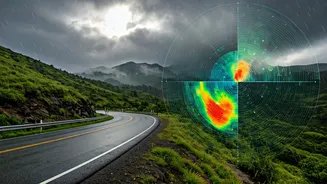
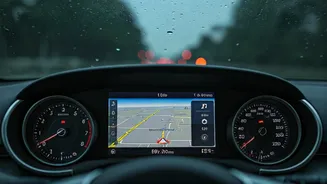
Before you even step out, do your homework. Check the weather forecast from a reliable source like the India Meteorological Department (IMD). Use real-time traffic apps like Google Maps or Waze to check for waterlogging, diversions, or accidents on your intended
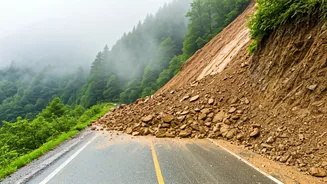
route. If possible, avoid travelling during peak downpours. If you’re planning a longer road trip, identify potential landslide-prone areas (especially in hilly regions) and have an alternative route in mind. Inform a family member or friend about your travel plans and expected arrival time, especially if you are venturing into a remote area.
Get Your Vehicle Monsoon-Ready
Your car or two-wheeler is your first line of defence against the elements. Ensure it’s up to the task. Check your tyres for adequate tread depth to prevent skidding on slick roads. Make sure your wipers are in excellent condition—replace them if they leave streaks. Test your headlights, taillights, and indicators, as visibility drops drastically in heavy rain. Most importantly, have your brakes checked. A vehicle that brakes efficiently is non-negotiable during the monsoon. Also, ensure your battery is healthy, as the increased use of wipers, lights, and defoggers can drain it faster.
Pack an Emergency Travel Kit
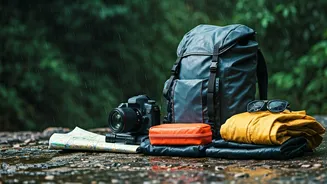
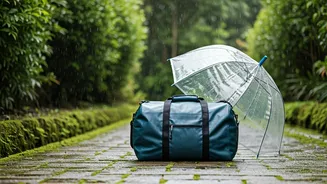
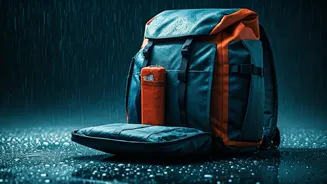
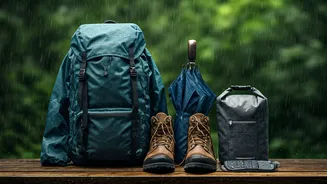
A well-stocked monsoon kit can be a lifesaver. Start with the basics: a sturdy umbrella and a reliable raincoat. Pack your electronics, wallet, and important documents in waterproof zip-lock bags or a dry bag. A fully charged power bank is essential, as traffic jams can drain your phone’s battery. Include a small first-aid kit with antiseptic wipes, bandages, and any personal medications. It’s also wise to carry a torch, some drinking water, and high-energy snacks like granola bars in case you get stranded for an extended period.
Master Safe Driving Techniques
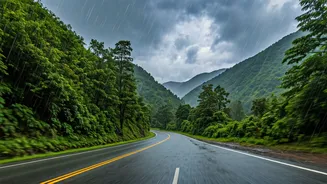
Driving in the rain requires a completely different mindset. Slow down. Speeding is the leading cause of accidents on wet roads. Increase the distance between your vehicle and the one ahead to allow for longer braking distances—aim for a five-to-six-second gap. Never drive through heavily waterlogged streets; you can’t see hidden potholes or open manholes, and water can flood your engine, causing it to stall (a phenomenon known as hydrostatic lock). If you must cross a puddle, do so slowly in a low gear. After passing through water, tap your brakes gently to dry them out.
Navigating Public Transport
If you rely on public transport, be prepared for delays. Buses, trains, and metros often run on modified schedules or experience disruptions during heavy downpours. Leave for your destination earlier than usual to account for this. Use ride-hailing apps? Be aware that surge pricing is common during peak rain. Keep track of updates from official metro or railway Twitter handles. Wear footwear with good grip to navigate slippery station floors and platforms. Crowds are inevitable, so keep your belongings secure and be mindful of your surroundings.
Prioritise Health and Hygiene
The monsoon season brings a heightened risk of water-borne and vector-borne diseases like dengue, malaria, and cholera. Avoid wading through stagnant water, as it can be a breeding ground for bacteria and lead to infections like leptospirosis. If you get drenched, change into dry clothes as soon as possible to prevent fungal infections and falling ill. Be cautious about street food, especially items that may have been exposed to contaminated water. Carry a mosquito repellent and drink only boiled, filtered, or bottled water to stay healthy throughout the season.